Skip to content

Coverage desk

Southeast Asia Supply Chain

184 published stories

Hai Phong Port Expands to 4.7M TEU, But Logistics Gaps Persist
Southeast Asia Supply Chain

Hai Phong Port Expands to 4.7M TEU, But Logistics Gaps Persist

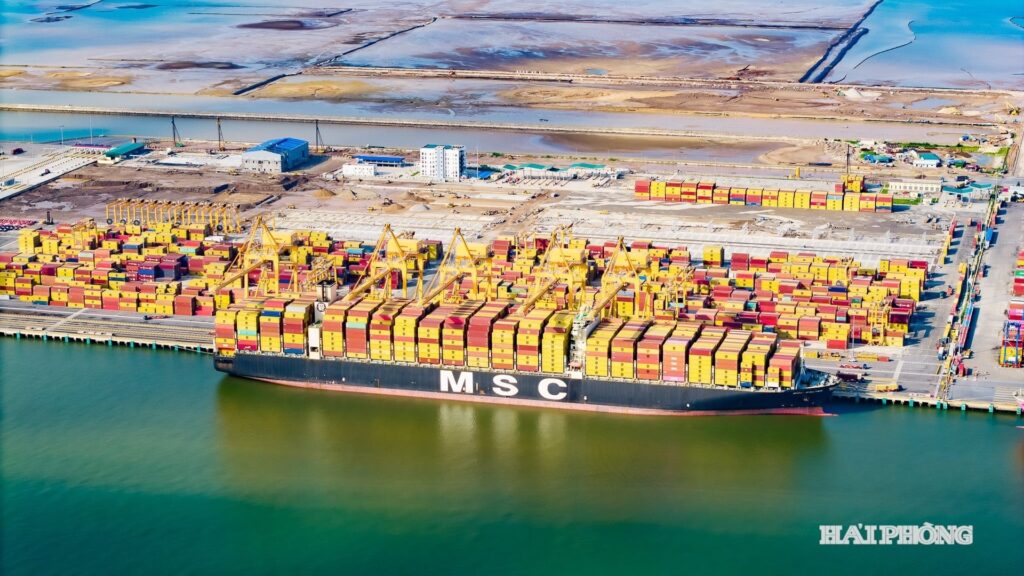
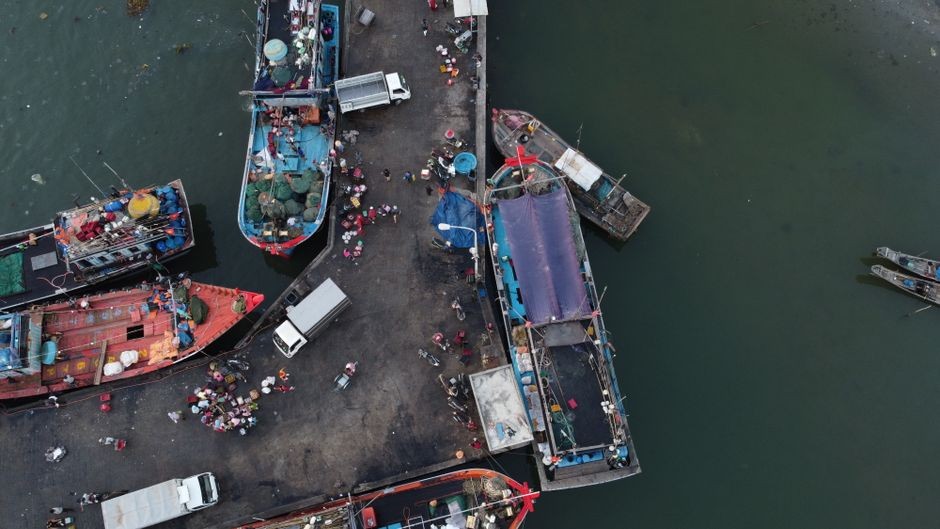
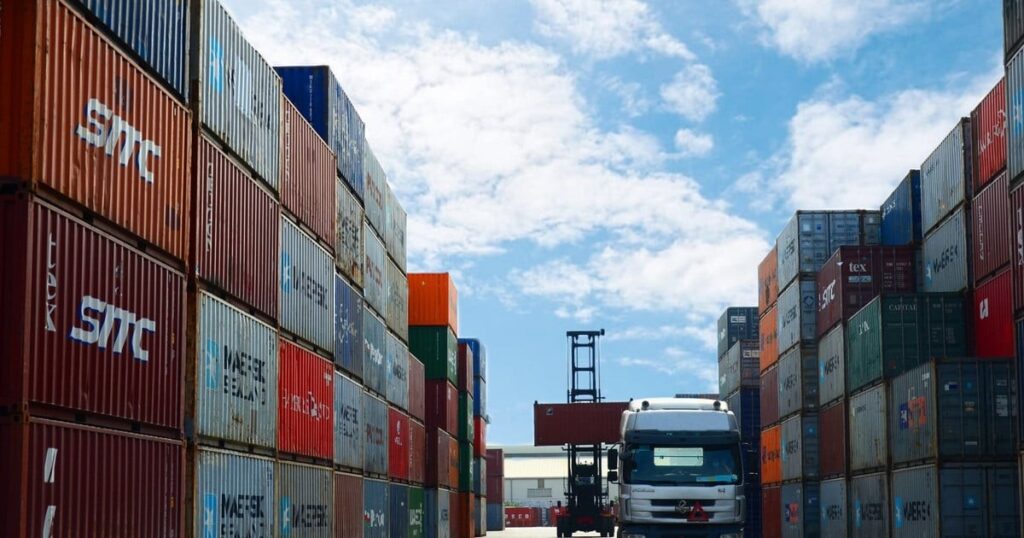
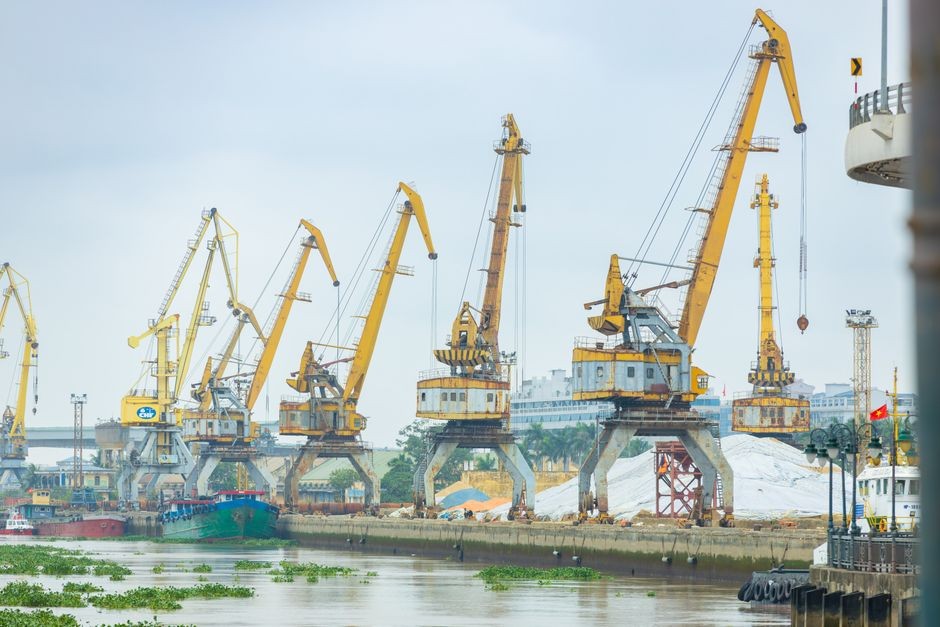
Hai Phong’s Lach Huyen deep-sea port now operates six berths with a design capacity of 4.7 million TEU/year, driving 10%+ annual logistics growth (2021–2025) and contributing 11.5% to city GRDP. Yet inland waterway use remains below 2.3%, road links are overburdened, and fragmented data hinder coordination. With $416.5 billion in regional trade volume (2025), integrated dry ports, digital interoperability, and end-to-end regulatory reform are critical to transform Hai Phong into a true supply chain orchestration hub.

Bac Ninh signs Samsung MoU to 2030, hits $106.4B trade in H1 2026
Southeast Asia Supply Chain

Bac Ninh signs Samsung MoU to 2030, hits $106.4B trade in H1 2026

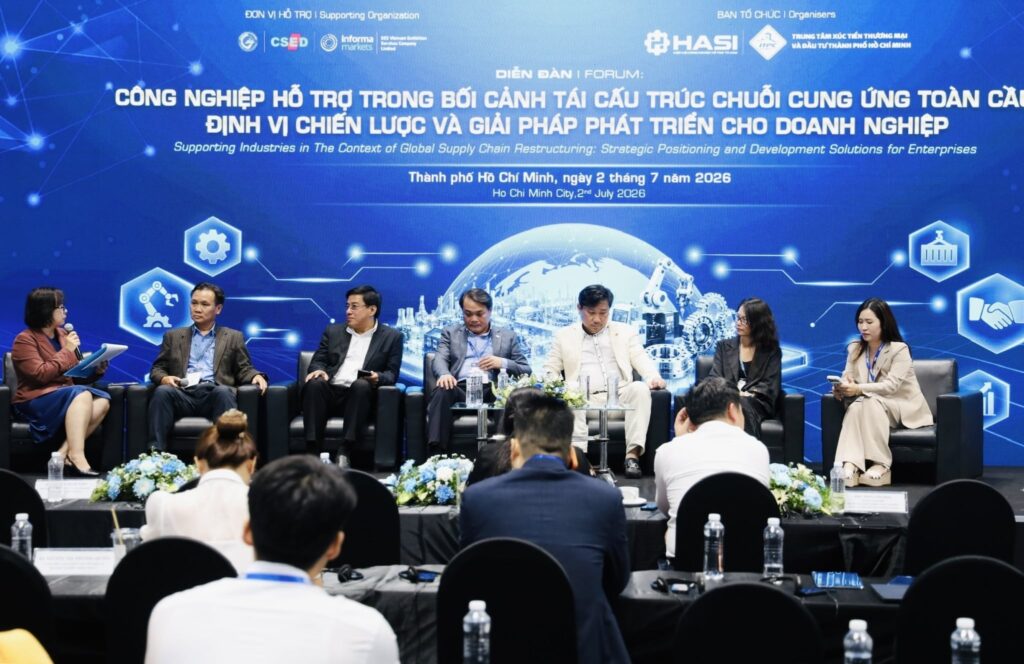
Bac Ninh Province signed a new five-year MoU with Samsung Vietnam on July 2, 2026, targeting supplier ecosystem development through smart factory training, certification support, and gap-based capacity building. In H1 2026, the province recorded $106.4 billion in import-export turnover, $52.5 billion in exports (+31.49%), and attracted $9.86 billion in FDI. Its industrial footprint includes 37 zones (11,709 ha) and 96 clusters (3,713 ha). A formal 2026–2030 supporting industries program was approved on July 2, with a vision to 2035.

BRICS Pledges Fair, Sustainable Critical Minerals Supply Chain
Southeast Asia Supply Chain

BRICS Pledges Fair, Sustainable Critical Minerals Supply Chain

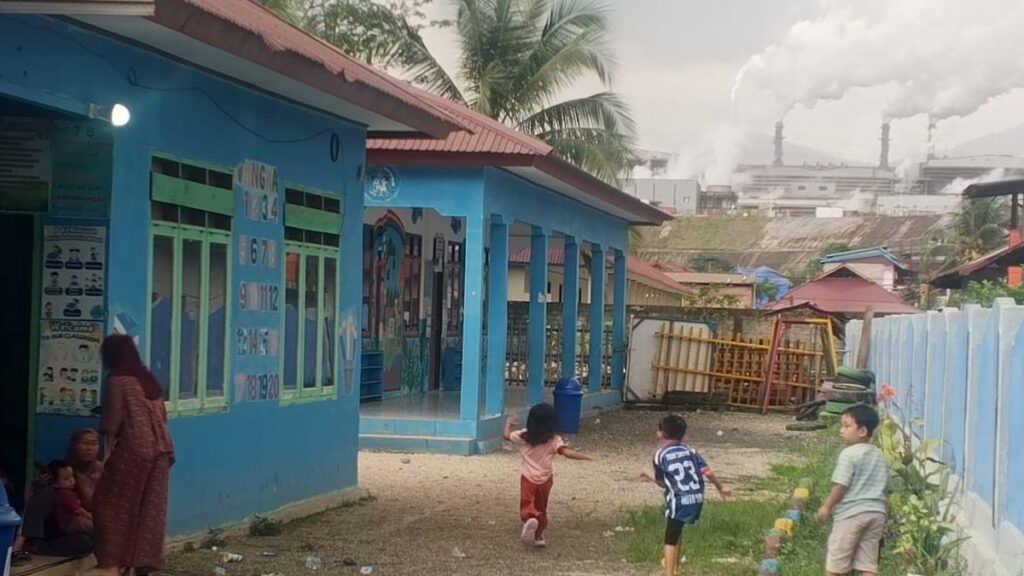
The BRICS New Delhi Declaration commits to a 'reliable, responsible, diversified, resilient, fair, sustainable, and just' critical minerals supply chain. Indonesia — with the world's largest nickel reserves — faces mounting pressure to reconcile rapid downstream growth with equity and ecology. Central Sulawesi generated Rp570 trillion in mining revenue in 2025 but received only Rp200 billion in local transfers. Nickel mining has driven 26,837 hectares of deforestation, with activity up 600% from 2016–2023. Experts warn that without green, participatory governance, hilirisasi risks deepening environmental harm and social exclusion.

Indonesia Targets $83.08B Food Export by 2029
Southeast Asia Supply Chain

Indonesia Targets $83.08B Food Export by 2029

Indonesia’s food and beverage industry targets USD 83.08 billion in exports by 2029, backed by USD 275.61 billion manufacturing value added in 2025 — the highest in ASEAN. First-half 2026 growth hit 6.77%, with exports totaling USD 24.61 billion and a surplus of USD 17.57 billion. The sector employed 6.94 million people and attracted IDR 26.82 trillion in investment. Regulatory alignment includes mandatory SNI for six key products amid EUDR, CBAM, and clean-label trends.

Haiphong Targets 215.5M-Ton Port Throughput by 2030
Southeast Asia Supply Chain

Haiphong Targets 215.5M-Ton Port Throughput by 2030

Haiphong is pursuing an integrated logistics strategy linking supply sources, modern warehousing, and intelligent multimodal transport. Its deep-water port system targets 175.4–215.5 million tons of cargo and 12.15–14.92 million TEU by 2030, supported by 61–73 berths and 20,196–23,446 meters of pier length. Total logistics land is planned at 2,200–2,500 hectares under the 2040 master plan (vision to 2050). Cargo growth is projected at 5–5.3% annually through 2050; passenger traffic at 1.5–1.6%. Digital transformation—including AI warehousing, RFID tracking, and smart multimodal routing—is central to reducing dwell time and emissions.

Hai Phong Logistics Forum Targets Bottlenecks Amid 11.74% Port Growth
Southeast Asia Supply Chain

Hai Phong Logistics Forum Targets Bottlenecks Amid 11.74% Port Growth

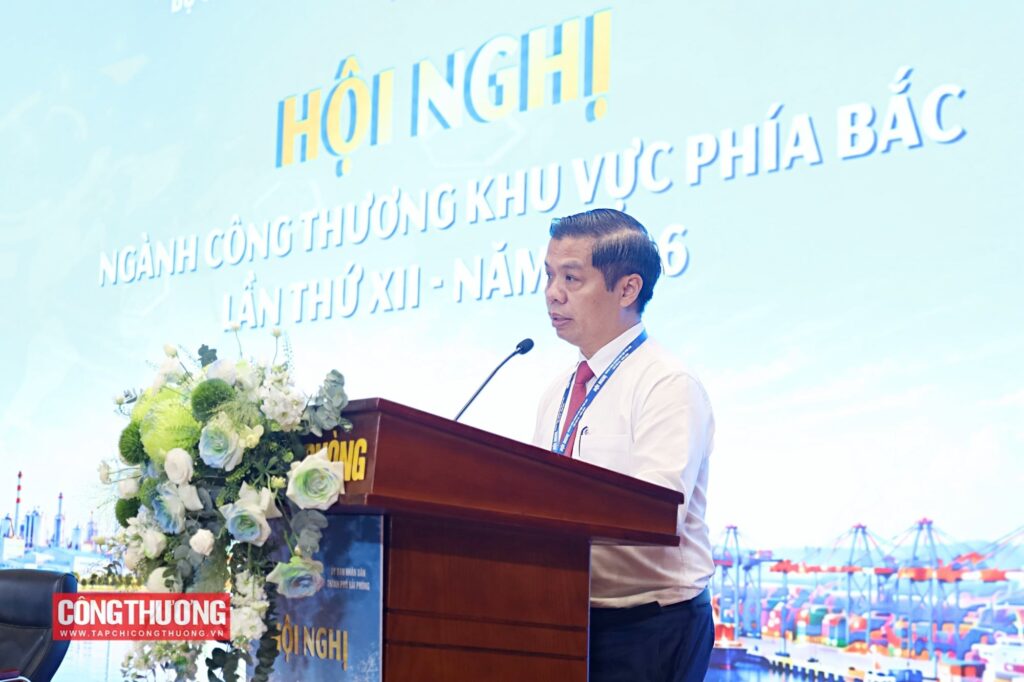
The seventh Regional Logistics Forum for Vietnam’s Red River Delta convened in Hai Phong on 21 September 2026, drawing over 600 delegates to tackle infrastructure bottlenecks. Cargo throughput at Hai Phong Port reached 134.34 million tons in the first eight months of 2026 — up 11.74% year-on-year — while exports totaled $42.2 billion (+14.6%) and import-export revenue hit 65,023 billion VND (+16.8%). The forum advanced proposals to strengthen multimodal transport, update maritime regulations, and integrate Lach Huyen Port with industrial zones and digital systems, supporting Hai Phong’s strategic role as Vietnam’s marine growth pole.

Indonesia Extends B50 Biodiesel Mandate to 2027
Southeast Asia Supply Chain

Indonesia Extends B50 Biodiesel Mandate to 2027

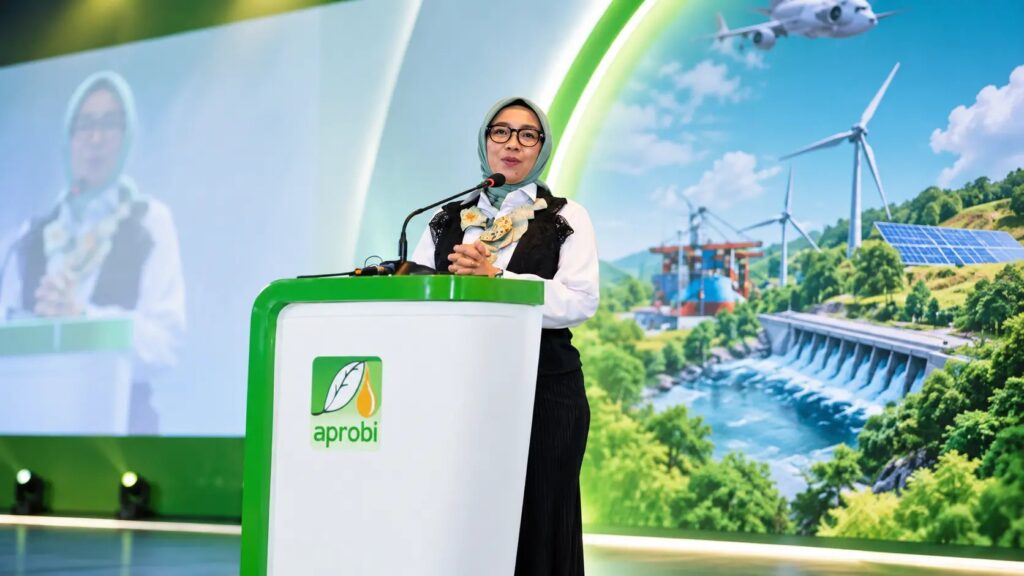
Indonesia’s mandatory B50 biodiesel program, launching in July 2026, is confirmed to continue through 2027. The government is strengthening supply chain readiness — from feedstock to distribution — to ensure stable implementation. Eniya Listiani Dewi, Director General of EBTKE at Indonesia’s ESDM Ministry, stressed that success depends on coordinated investment, logistics, and volume certainty. While B60 is under discussion, its advancement faces technical constraints, with a proposed 10% HVO blend component contingent on economics and scalability. Concurrently, Indonesia is developing Sustainable Aviation Fuel (SAF) to broaden renewable fuel use beyond road transport.

Vietnam Exporters Adapt to Japan’s 80% Chlorothalonil MRL Cut
Southeast Asia Supply Chain

Vietnam Exporters Adapt to Japan’s 80% Chlorothalonil MRL Cut

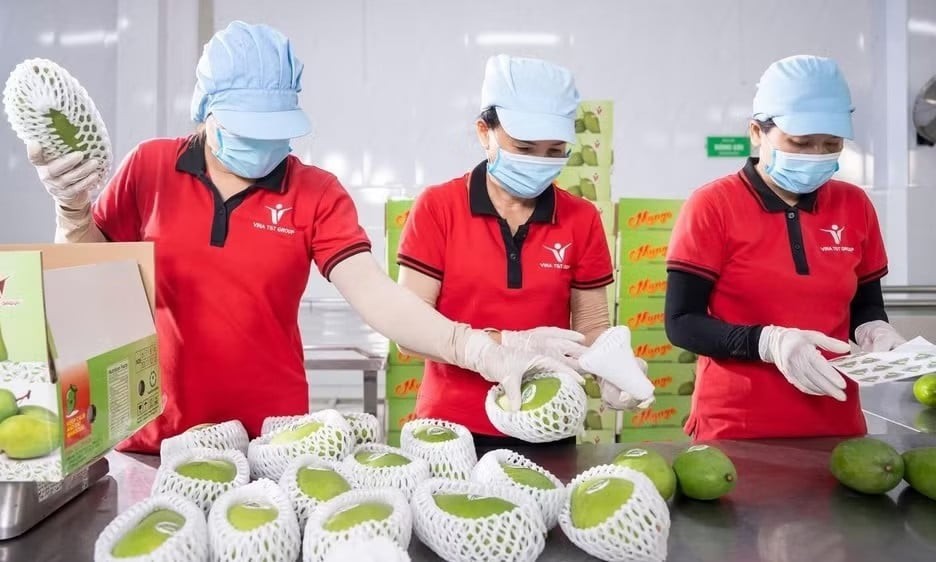
Vietnamese exporters are adapting to tightening global food safety rules, including Japan’s proposed 80% cut in chlorothalonil MRL on ginger (to 0.01 mg/kg) and a 97.5% boscalid reduction. New EU import regulations take effect August 12, 2026, demanding granular traceability. Companies like An Hai Seafood (42% U.S., 20–25% EU sales) and Minh Phu Seafood (targeting 70–80% automation) are scaling farm-level oversight, cross-border certifications, and robotics to retain orders. Industry leaders urge policy shifts toward pre-market capacity support for SMEs.

Ha Tinh Targets $600M FDI in 2027, Prioritizes Semiconductors and AI
Southeast Asia Supply Chain

Ha Tinh Targets $600M FDI in 2027, Prioritizes Semiconductors and AI

Ha Tinh Province, Vietnam, aims to attract $600 million in FDI in 2027, prioritizing semiconductors, AI, data centers, and other high-tech sectors. The strategy emphasizes proactive investor targeting, infrastructure readiness—including land clearance in zones like Bac Thach Ha and Vinhomes in Vung Ang—and regional specialization. It seeks firms that anchor supply chains and integrate with domestic enterprises, while setting parallel goals of launching 2,000 new local businesses and achieving over 11% private-sector growth. Digital tools and multilingual resources enhance transparency and accessibility.

WWF Indonesia, CPOPC Ink MoU to Boost Palm Oil Supply Chain Transparency
Southeast Asia Supply Chain

WWF Indonesia, CPOPC Ink MoU to Boost Palm Oil Supply Chain Transparency

WWF-Indonesia and the Council of Palm Oil Producing Countries (CPOPC) signed a Memorandum of Understanding on 18 Sep 2026 to strengthen supply chain transparency, certification, and smallholder inclusion in palm oil production. The 'Green Partnership' targets enhanced credibility for Indonesia's ISPO standard and supports national climate goals—including a 31.89% emissions cut by 2030. A follow-up webinar addressed EUDR compliance challenges for smallholders, featuring voices from Indonesia and Malaysia.

Huế City Chairman Tours Quảng Trị Deepwater Port for Northern Industrial Logistics
Southeast Asia Supply Chain

Huế City Chairman Tours Quảng Trị Deepwater Port for Northern Industrial Logistics

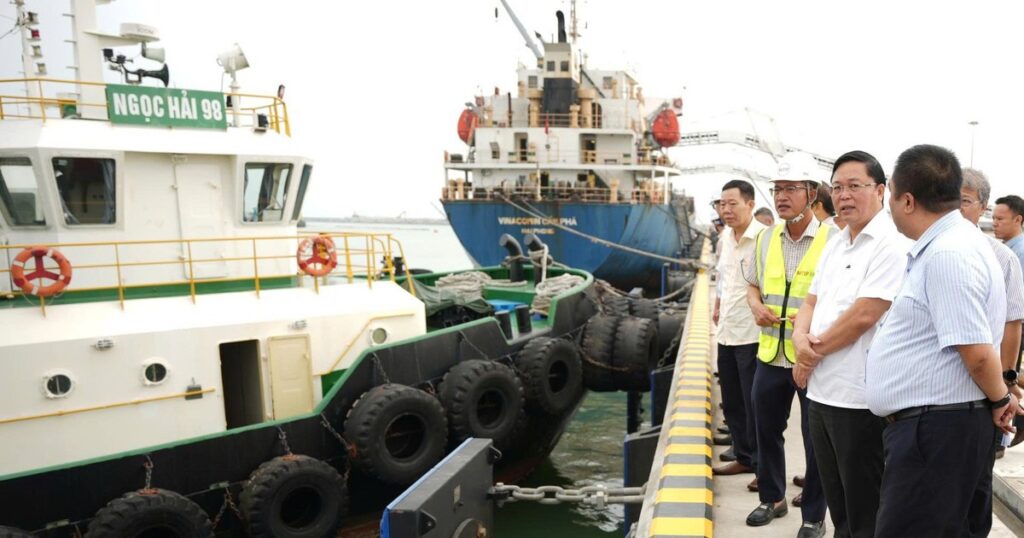
Huế City Chairman Lê Trí Thanh led a field visit to Quảng Trị’s Mỹ Thủy Deepwater Port on September 15 to align logistics infrastructure with industrial growth north of Huế. He identified the port as a key node for Phong Điền and other northern zones, directed land-use reviews prioritizing flood resilience and transport access, and mandated integrated road planning with a 36m right-of-way. Phong Điền Industrial Zone (700ha, expanding to 2,038ha) hosts 16 projects and employs 10,600; Tứ Hạ (126.7ha) reports 81% occupancy and supports 4,000 jobs.

Indonesian Palm Oil Supply Chain Faces 60% Theft, 442 Unlicensed PKS
Southeast Asia Supply Chain

Indonesian Palm Oil Supply Chain Faces 60% Theft, 442 Unlicensed PKS

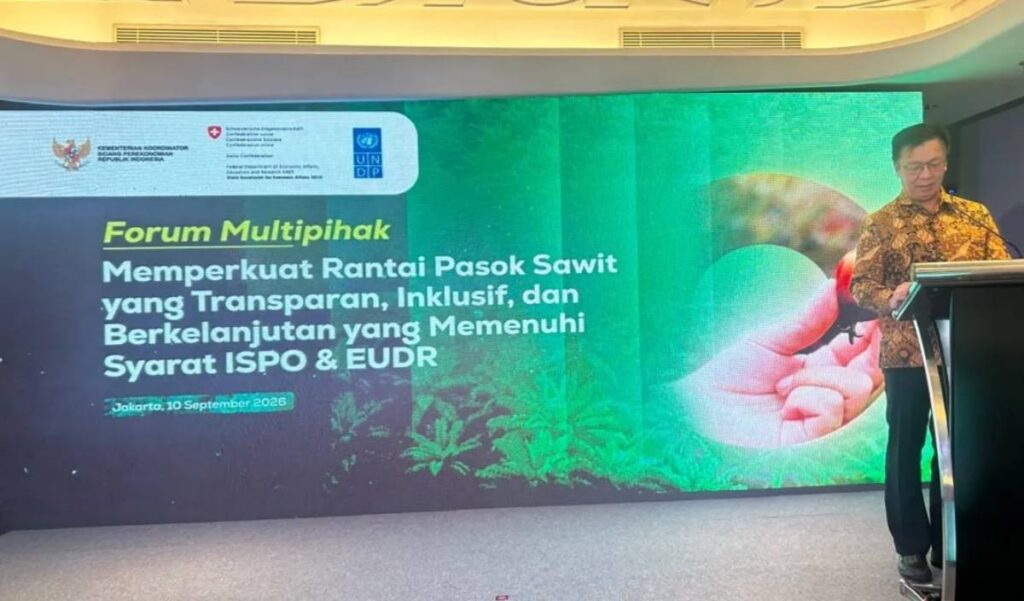
Indonesia’s palm oil sector faces mounting pressure from 442 unlicensed palm oil mills (PKS) and TBS theft rates as high as 60% at member plantations, according to GAPKI. A UNDP forum held in Jakarta on 10/9/2026 highlighted how informal loading ramps and unregulated mills undermine traceability, inflate free fatty acid levels in CPO, and threaten compliance with the EU Deforestation Regulation—effective 30 December 2026. Researchers note that 4.7 million hectares of independent smallholders rely on this fragmented system, yet receive diminished returns due to inefficiencies. GAPKI calls for urgent supply chain formalization to restore integrity and meet international sustainability standards.

Welcome Back!

Login to your account below

Create New Account!

Fill the forms below to register

Retrieve your password

Please enter your username or email address to reset your password.

Add New Playlist