According to vietnam.vn, Bac Ninh Province signed a new Memorandum of Understanding with Samsung Vietnam on July 2, 2026, extending cooperation through 2030, as part of a broader strategy to transform its industrial base from supporting enterprises to building a resilient supplier ecosystem.
Industrial Scale and Economic Performance
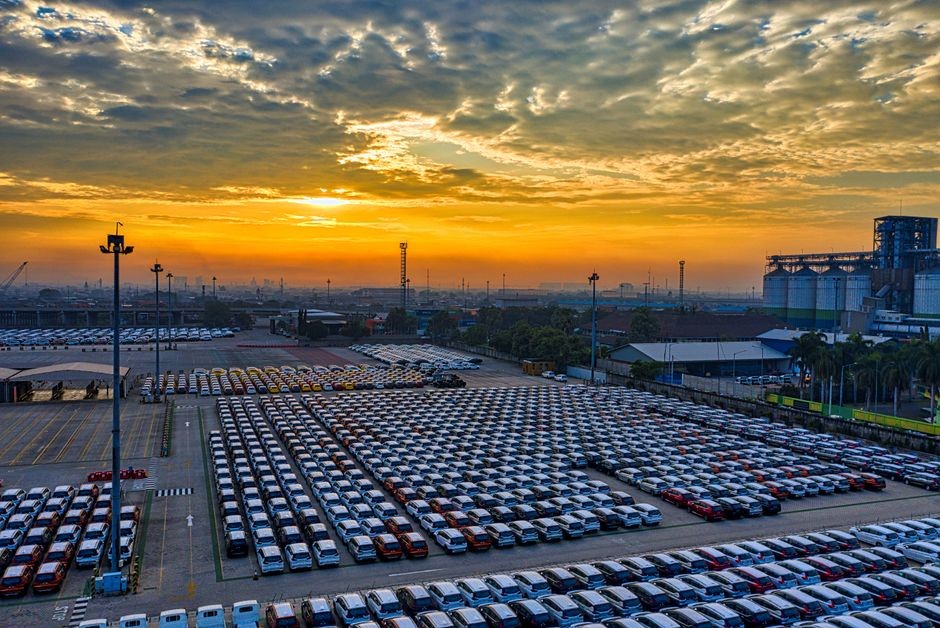
Bac Ninh’s industrial platform now comprises 37 industrial zones covering over 11,709 hectares and 96 industrial clusters spanning approximately 3,713 hectares. This infrastructure underpins rapid economic growth: in the first six months of 2026, the province’s GRDP rose by 10.56%, while the industrial and construction sector grew by 12.55% and the industrial production index surged 19.51%.
The value of industrial production reached approximately 1.6 trillion VND, and import-export turnover hit 106.4 billion USD, with exports alone totaling 52.5 billion USD — an increase of 31.49% year-on-year and the highest national ranking for export value.
Total foreign direct investment attracted exceeded 9.86 billion USD, placing Bac Ninh fourth nationwide in FDI attraction. The province’s industrial ecosystem is increasingly specialized in electronics, electrical equipment, precision mechanics, components, semiconductors, and high-tech industries.
From Support to Supplier Development
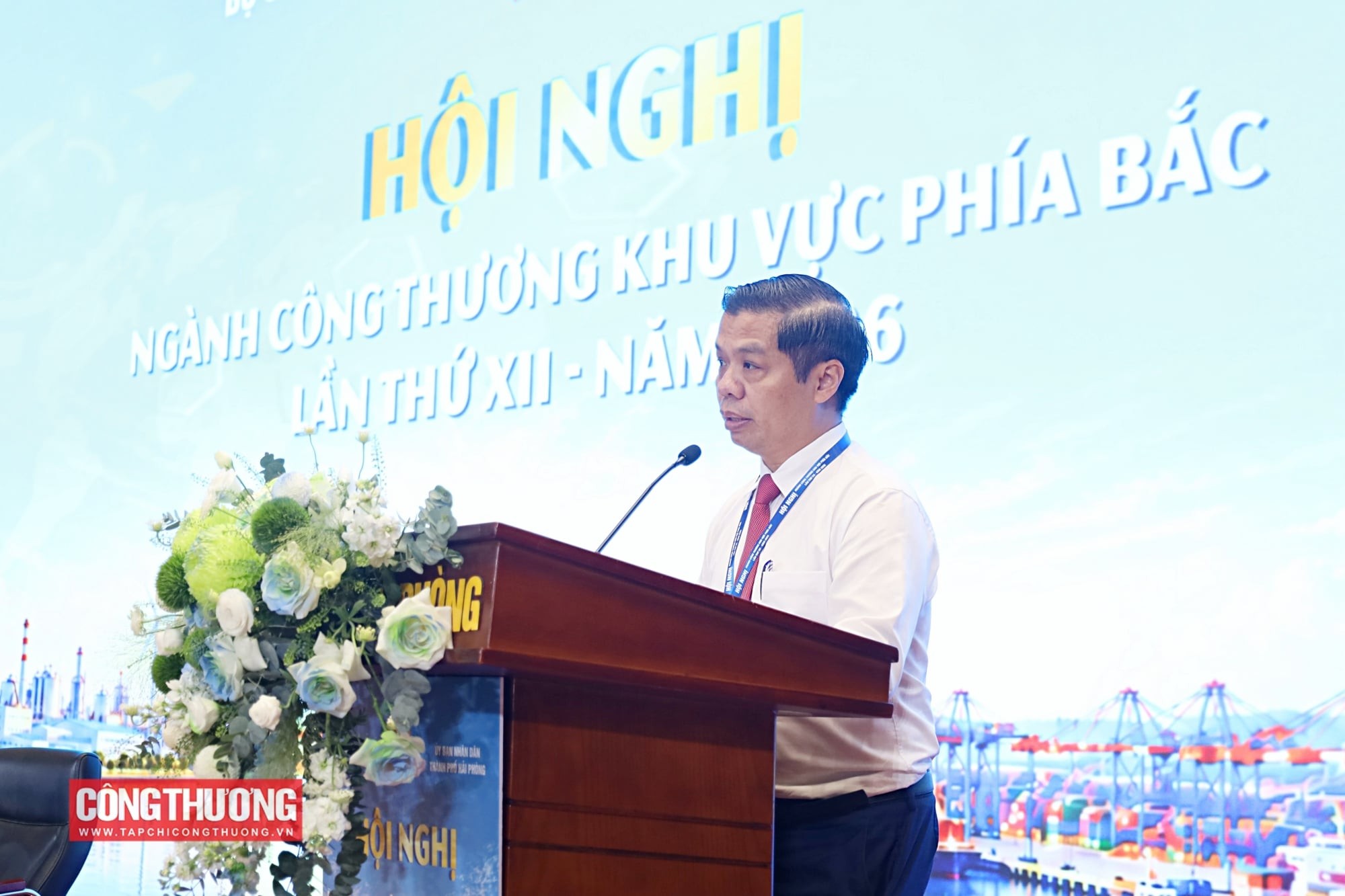
Hoang Anh Tuan, Deputy Director of the Department of Industry and Trade of Bac Ninh City, emphasized that sustainable linkages require more than matchmaking:
“Bac Ninh is shifting from individual support to a supplier development cycle, which includes surveying, screening, capacity assessment, identifying gaps with customer requirements, building improvement roadmaps, providing direct support at businesses, supporting standards and certifications, connecting with leading businesses, testing orders, and evaluating results after support.”
This structured approach evolved from earlier initiatives. Between 2020 and 2021, a joint program with Samsung Vietnam supported facility upgrades for 7 businesses. From 2022 onward, focus shifted to smart factory development, delivering 19 consultations to 16 businesses. By the end of 2025, a dedicated training program on smart factory development will be delivered to 13 businesses, involving 24 participants, including leaders and digital transformation officers.
On July 2, 2026, Bac Ninh awarded cooperation agreements to 9 businesses participating in the 2026 business support program — the latest phase expanding into smart molds, human resource training, and capability-enhancing solutions.
Policy Framework and Strategic Direction
On July 2, 2026, the Provincial People’s Committee issued Decision No. 911/QD-UBND approving the Program for the Development of Supporting Industries in Bac Ninh City in 2026. The Department of Industry and Trade is tasked with assessing the 2020–2025 period and developing a new roadmap for 2026–2030, with a vision to 2035.
The province aims to allocate at least 20 hectares — or 5% of the total land fund with invested infrastructure in industrial zones and clusters — specifically for high-tech enterprises, SMEs, and innovative startups. Priorities include filling gaps in electronics, semiconductors, precision mechanics, mold making, and automation, guided by actual supply chain needs rather than generalized support.
Effectiveness is now measured not by event counts but by outcomes: the number of businesses upgraded, those meeting customer standards, new suppliers onboarded, order value generated, and measurable improvements in productivity, quality, and traceability.
Source: vietnam.vn
Compiled from international media by the SCI.AI editorial team.