According to lestari.kompas.com, the 18th BRICS Summit produced the New Delhi Declaration, which underscores the need for a reliable, responsible, diversified, resilient, fair, sustainable, and just critical minerals supply chain — explicitly citing commitments to benefit-sharing, value addition, and economic diversification in resource-rich nations.
Indonesia’s Strategic Role and Domestic Challenges
Indonesia is positioning itself as a global leader in the critical minerals supply chain, particularly through nickel development and downstream industrialization. However, structural gaps persist: Central Sulawesi — the largest contributor to national mining revenue in 2025 — generated Rp570 trillion yet received only Rp200 billion annually via revenue-sharing funds (DBH). This imbalance highlights tensions between national fiscal gains and local socioeconomic returns.
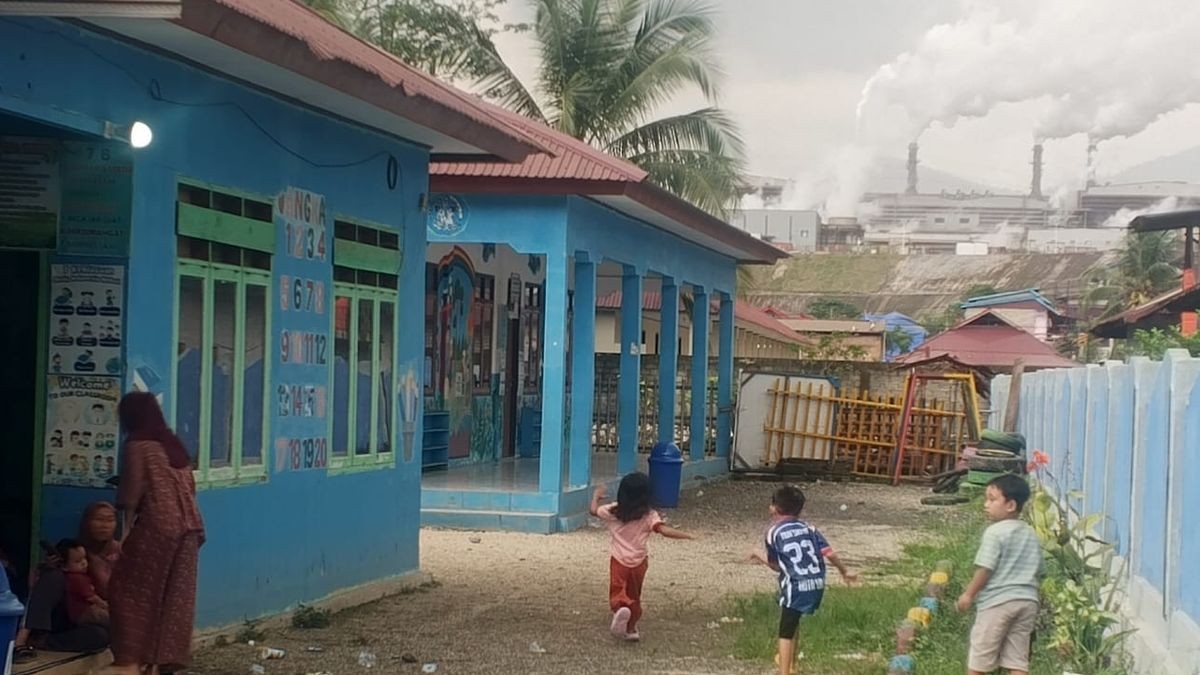
The environmental cost is equally stark. Greenpeace analysis found nickel mining triggered deforestation across 26,837 hectares, with mining activity surging by 600 percent between 2016 and 2023. These figures underscore the urgency of aligning mineral extraction with ecological thresholds and community rights — not merely GDP metrics.
Naomi Devi Larasati, Policy Strategist Coordinator at Cerah, stressed that without green and participatory governance, downstream processing risks becoming “another name for environmental destruction and the marginalization of Indigenous peoples and farmers.” She added:
“We welcome BRICS’ commitment to move beyond mere extraction toward fair downstream development.” — Naomi Devi Larasati, Policy Strategist Coordinator, Cerah
From Extraction to Circularity: A Whole-Chain Mandate
The New Delhi Declaration, particularly Paragraph 67, affirms BRICS leaders’ pledge to embed sustainability across the entire mineral lifecycle — from initial mining with minimized ecological impact, through pollution-free processing, to responsible recycling and waste management. It also recognizes critical minerals’ indispensable role in zero- and low-emission energy technologies and global energy supply chain resilience.
This holistic framing rejects siloed environmentalism. As Archana Chaudhary, Associate Director at Climate Trends, explained:
“The declaration situates climate resilience not as a standalone environmental issue but within broader frameworks of economic resilience, industrial capacity, trade, finance, and national policy space.” — Archana Chaudhary, Associate Director, Climate Trends
The declaration further asserts the sovereign right of each BRICS nation over its mineral resources — a principle directly relevant to Indonesia, holder of the world’s largest nickel reserves. As the source states, Indonesia “ought to become a model for a just and sustainable critical minerals supply chain — from upstream to downstream.”
Source: lestari.kompas.com
Compiled from international media by the SCI.AI editorial team.