Skip to content

Coverage desk

Ocean

81 published stories

Hormuz Closure Lifts Asia-US Freight Rates 29%
Ocean

Hormuz Closure Lifts Asia-US Freight Rates 29%

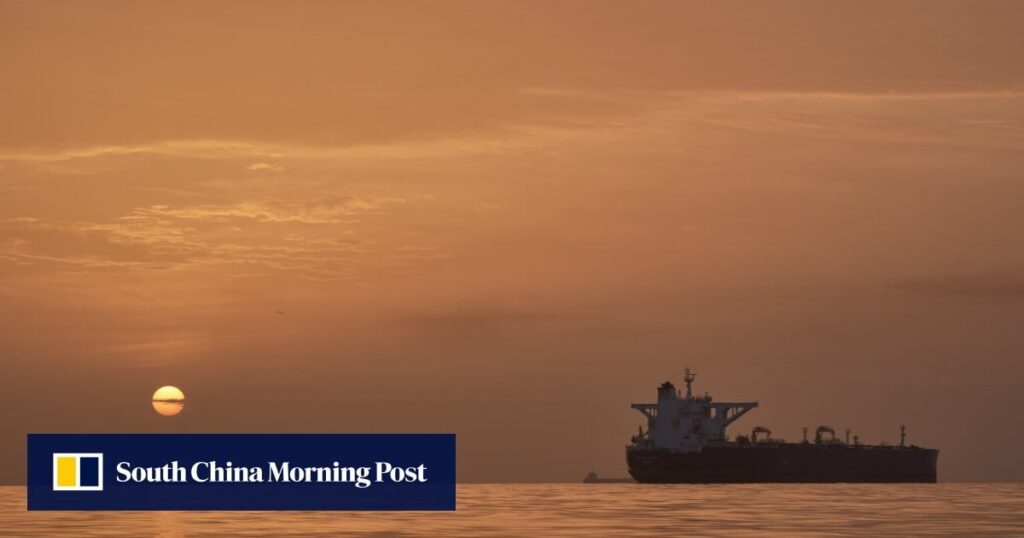
The Strait of Hormuz closure has triggered a 29% surge in spot freight rates from the Far East to the U.S. West Coast since late February, per Xeneta data. Rates to the U.S. East Coast hit $3,382/40ft, while Far East–North Europe and Mediterranean lanes rose 31% and 30%. Port congestion has rippled from the Middle East to key Asian transshipment hubs including Singapore, Port Klang, and Tanjung Pelepas. Shippers are pre-booking capacity amid fears of peak-season shortages, accepting premiums for certainty. Fuel remains available in Singapore but at double pre-crisis prices, and Maersk has refiled an emergency FMC request to expedite fuel surcharge implementation.

Freight Rates Rise 5% to $2,279: Asia-Europe Leads Gains
Ocean

Freight Rates Rise 5% to $2,279: Asia-Europe Leads Gains

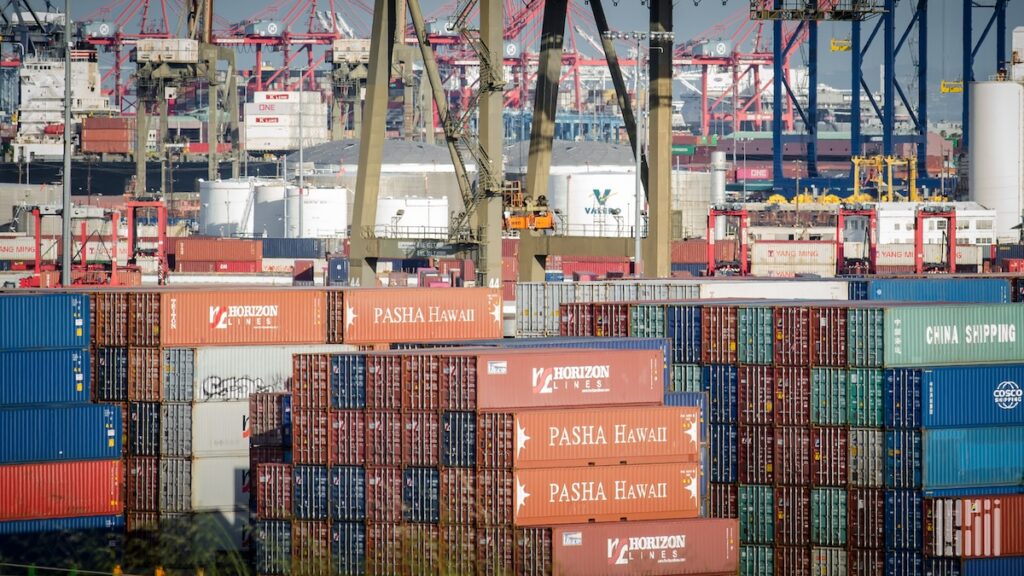
The Drewry World Container Index rose 5% to $2,279 per 40ft container — its fourth straight weekly gain — driven by strong increases on the Asia-Europe route (Shanghai–Genoa up 12% to $3,474) and Transpacific lanes (Shanghai–LA up 4% to $2,686). Middle East tensions, pre-peak retail demand, carrier capacity discipline (including six blank sailings next week on U.S. coasts), and rising bunker costs underpin the trend. CMA CGM’s $3,500/FEU FAK increase effective 1 April signals continued carrier pricing pressure. While still below pandemic highs, the sustained climb points to a new market equilibrium.

Africa Fleet Expansion: 8 New Vessels Amid Suez & ESG Shifts
Ocean

Africa Fleet Expansion: 8 New Vessels Amid Suez & ESG Shifts

African shipping specialists Breadbox and UAL are adding eight new vessels by late 2026 — including 3,800 dwt and 5,800 dwt coasters — to strengthen breakbulk capacity across West, Central, and Southern Africa. Both companies are integrating AI-driven risk analytics and deploying energy-efficient features like AXE-bows and silicone hull coatings. The Suez Canal disruption and Asia-led production shifts are reshaping cargo flows, while new liner services link Dar es Salaam and Mombasa. Operational challenges persist — from port congestion to seasonal weather — yet demand surges from mining, oil and gas, and infrastructure projects.

Ocean Freight Shifts in 2026: 7 Key Drivers
Ocean

Ocean Freight Shifts in 2026: 7 Key Drivers

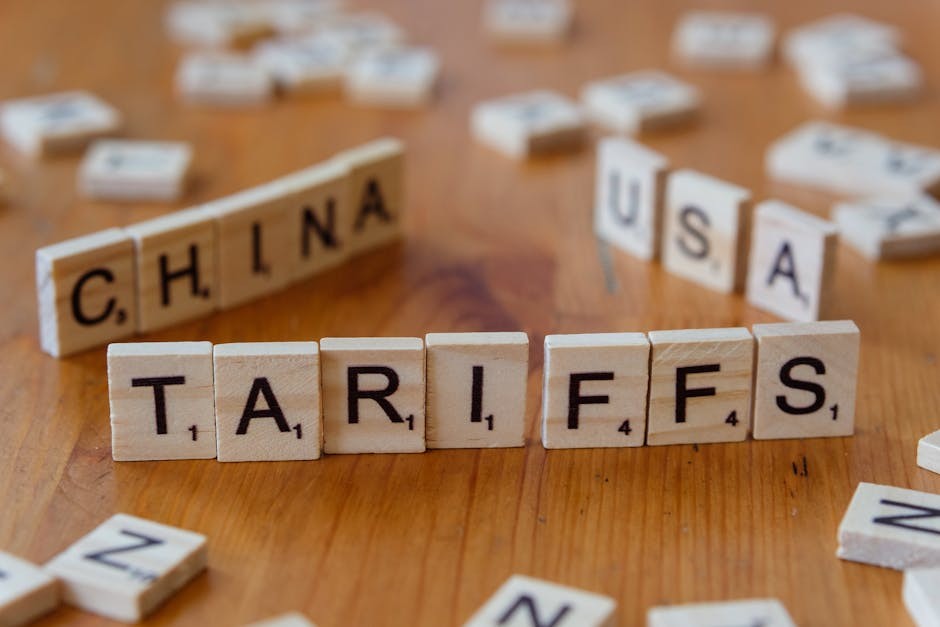
Dimerco’s 2026 briefing identifies seven key ocean freight shifts: stable-but-reconfigured global growth (U.S. +2.4%, China +4.5%), tightening U.S. tariff enforcement—including revoked de minimis for e-commerce—front-loaded 2025 demand distorting 2026 comparisons, fragmented U.S. import flows, China’s export redirection (−19.5% to U.S., +25%+ to Africa), Southeast Asia’s rise as a production and logistics hub, uneven vessel capacity distribution, and the Red Sea’s ongoing 9% capacity drag. Carrier-led reliability gains (e.g., 90% for Gemini services) now directly impact landed costs.

Tariffs Reshape Cold Chains: 73% of Firms See Financial Hit in 2026
Ocean

Tariffs Reshape Cold Chains: 73% of Firms See Financial Hit in 2026

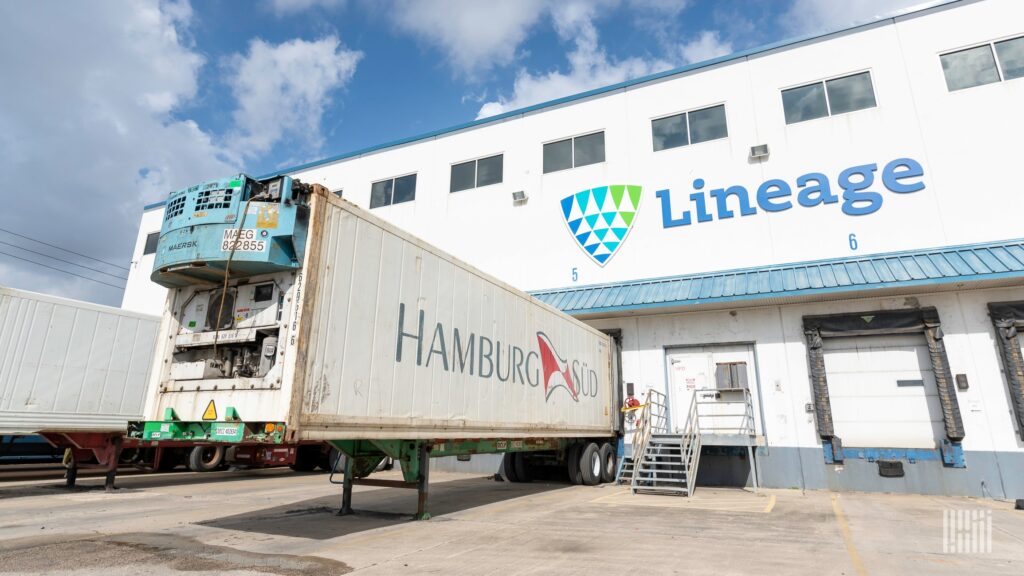
A Lineage survey of 1,000 North American supply chain leaders reveals tariffs are the top external disruptor, with 73% expecting financial harm in 2026. Seventy-two percent report rising demand for frozen/refrigerated foods, yet cold storage capacity grew 14.5% (2021–2025) versus just 5% demand growth. Sixty percent cite data and AI as top transformational forces; 24% exceeded AI ROI expectations. Flexible cold storage (49%) and analytics (41%) are top partner needs. "Volatility is the norm, not the exception," says Lineage CEO Greg Lehmkuhl.

Middle East Disruption Cuts Air Cargo 36%, Raises Freight Rates 80%
Ocean

Middle East Disruption Cuts Air Cargo 36%, Raises Freight Rates 80%

Middle East conflict has slashed regional air cargo by 36%, raised India–Europe air rates by ~80%, and pushed Hong Kong–Europe rates above $5.15/kg. COSCO’s CSCL Indian Ocean and CSCL Arctic Ocean made the first successful post-conflict Strait of Hormuz transit on March 30—after aborting passage on March 27. VLSFO fuel prices surged >80% globally; carriers impose emergency bunker surcharges and GRIs. Flexport’s new Sea-Air Express offers Asia–Europe delivery in 27 days at up to 41% below air-only costs. Over 25,000 regional flights canceled; 470,000 TEUs initially trapped in the Persian Gulf.

Middle East Conflict Disrupts 20,000 TEU/Week Gulf Flows
Ocean

Middle East Conflict Disrupts 20,000 TEU/Week Gulf Flows

The Middle East conflict has escalated into a global supply chain disruption, prompting Maersk to pause nonessential cargo to and from the Gulf region. With 20,000 TEU per week flowing into the Gulf — now constrained by the de facto closure of the Strait of Hormuz — shippers face port diversions, overland trucking adaptations, and cargo prioritization. Fuel redistribution is underway amid uneven global bunker availability, given the Gulf's contribution of >20% of the world's oil. Essential goods like food and medicine remain top priorities, while Maersk maintains all regional staff are safe. Real-time updates are available on Maersk.com.

Southeast Asia Supply Chain Realignment Accelerates: 30% Drop in China Exports vs 23% Growth in ASEAN
Ocean

Southeast Asia Supply Chain Realignment Accelerates: 30% Drop in China Exports vs 23% Growth in ASEAN

According to MTTSL data, China's exports to the US fell 30% in 2025 while Southeast Asia's exports grew 23%, signaling accelerated supply chain realignment. Strait of Malacca hub ports benefit significantly, with Malaysia and other ASEAN nations enhancing logistics capabilities. Despite geopolitical risks, Southeast Asian supply chains demonstrate resilience through regional trade integration. The next 18-24 months represent a critical phase, requiring strategic adaptation from businesses and governments alike.

Iran War Costs Hapag-Lloyd $40–50M/Week: Supply Chain Impact
Ocean

Iran War Costs Hapag-Lloyd $40–50M/Week: Supply Chain Impact

Hapag-Lloyd CEO Rolf Habben Jansen confirmed the U.S.-led war in Iran is costing the carrier $40–50 million weekly — driven by soaring bunker, insurance, storage, and inland transport costs. Six ships (25,000 TEUs total) remain trapped in the Persian Gulf, and 50% of its regional contract freight faces disruption. The Red Sea–Suez route remains effectively closed through 2026. Operating profit fell to $3.5 billion in 2025 from $4.9 billion in 2024. The company is monitoring potential fuel shortages and has implemented contingency charges, though recovery is delayed.

ASEAN Cargo to US Up 23% as Supply Chain Shifts Accelerate
Ocean

ASEAN Cargo to US Up 23% as Supply Chain Shifts Accelerate

Cargo flows across Asia remain strong as supply chains shift toward ASEAN: China’s US exports fell ~30% last year, while ASEAN’s rose 23%. MTTSL MD Ooi Lean Hin notes the full impact will unfold over 18–24 months as factories relocate. Malaysian ports face no major congestion despite West Asia tensions. Freight rates surged for Gulf routes, with war risk premiums now standard for Red Sea–adjacent destinations. Feeder vessel supply is constrained — newbuilds cover just 38% of retirements through 2030 — underscoring critical capacity gaps for regional transshipment.

Welcome Back!

Login to your account below

Create New Account!

Fill the forms below to register

Retrieve your password

Please enter your username or email address to reset your password.

Add New Playlist