Explore

  • Trending
  • Latest
  • Tools
  • Browse
  • Subscription Feed

Logistics

  • Ocean
  • Air Cargo
  • Road & Rail
  • Warehousing
  • Last Mile

Regions

  • Southeast Asia
  • South Asia
  • Central Asia
  • Japan & Korea
  • Middle East
  • Europe
  • Russia
  • Africa
  • North America
  • Latin America
  • Australia
SCI.AI
  • Supply Chain
    • Strategy & Planning
    • Logistics & Transport
    • Manufacturing
    • Inventory & Fulfillment
  • Procurement
    • Strategic Sourcing
    • Supplier Management
    • Supply Chain Finance
  • Technology
    • AI & Automation
    • Robotics
    • Digital Platforms
  • Risk & Resilience
  • Sustainability
  • Research
  • Expert Columns
  • English
    • Chinese
    • English
No Result
View All Result
  • Login
  • Register
SCI.AI
No Result
View All Result
Home Risk & Resilience Disruptions

Middle East Conflict Disrupts 20,000 TEU/Week Gulf Flows

2026/03/31
in Disruptions, Geopolitics, Logistics & Transport, Ocean, Supply Chain
0 0
Middle East Conflict Disrupts 20,000 TEU/Week Gulf Flows

According to www.maersk.com, the escalating conflict in the Middle East is disrupting major land, sea, and air corridors — with cascading effects now reaching far beyond the region. What began as a local crisis has evolved into a systemic supply chain challenge affecting global trade flows.

Safety first in an unpredictable environment

The human dimension remains central: for communities living through the conflict, daily life has been replaced by uncertainty and concern about the trajectory of events. Maersk emphasizes that safety precedes all operational considerations — for affected populations and for its own workforce. All Maersk staff — whether in terminals, ports, on vessels, or in offices across the region — are confirmed safe and sound. This includes employees working directly for Maersk and those employed indirectly through partners and contractors.

Supporting flows in and out of the Gulf region

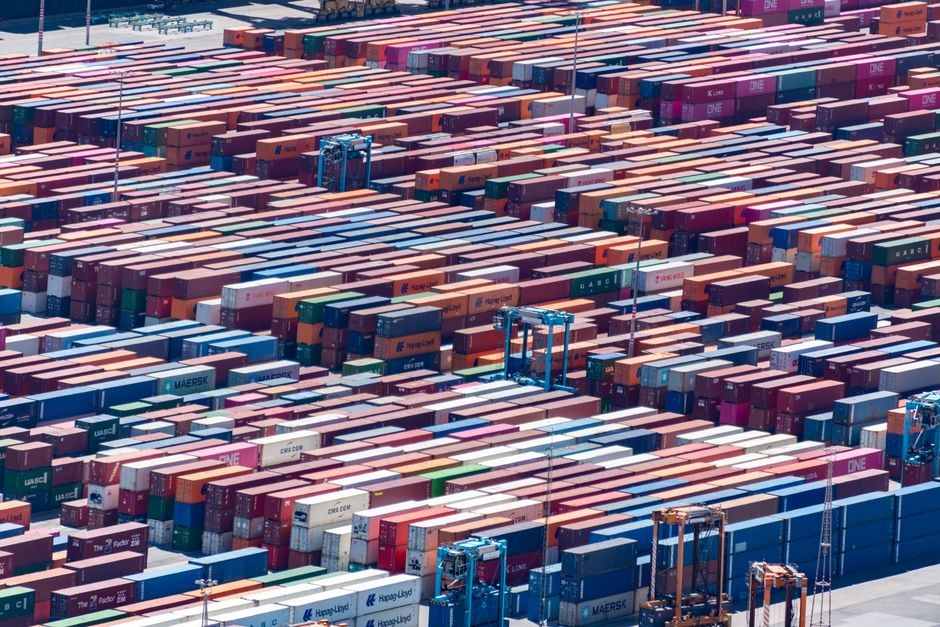
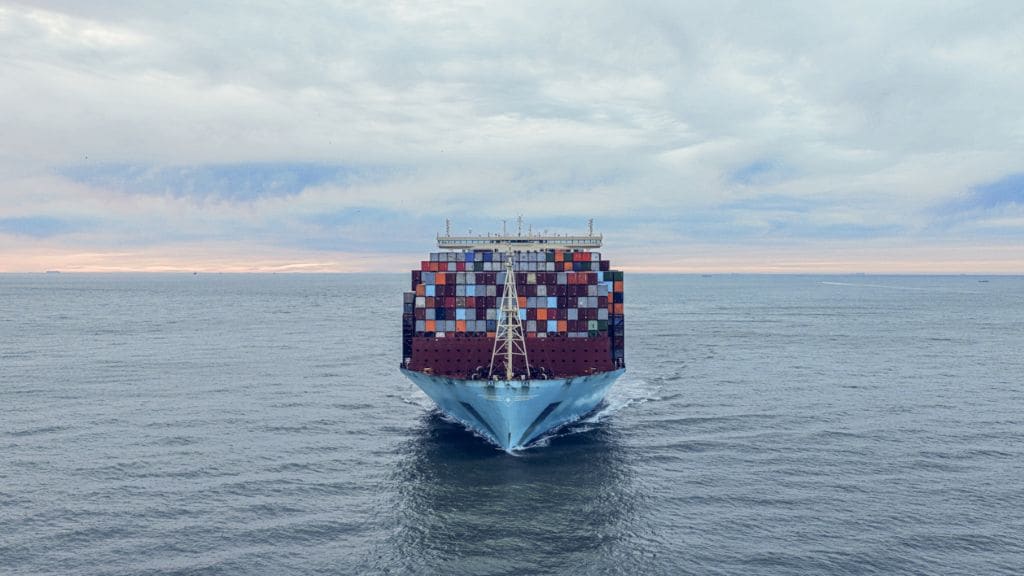
Maersk moves approximately 20,000 TEU per week into the Gulf region, with a comparable volume moving outbound. Customers shipping to and from the Gulf face acute logistical constraints. In response, Maersk is implementing flexible, case-by-case solutions: temporarily storing containers, arranging returns, or rerouting cargo to alternative ports such as Jeddah. From there, overland trucking is deployed — particularly for cargo originating in Europe — to move goods across the desert to final destinations.

Due to heightened risks and the de facto closure of the Strait of Hormuz, Maersk has temporarily paused acceptance of nonessential cargo to and from the region. Only essential goods — with food and medicine prioritized — continue to be accepted and moved. Cargo acceptance is assessed continuously, with resumption plans contingent on evolving conditions. Up-to-date guidance is available via Maersk’s dedicated information page.

“Our key focus is of course the safety of our colleagues, people that work directly and indirectly for us, and everybody in the area who is impacted by this.” — Maersk spokesperson

A growing challenge: fuel supply

A critical secondary impact is emerging in global fuel distribution. The Gulf supplies more than 20% of the world’s oil and a significant share of marine fuel. While global fuel inventories remain sufficient overall, distribution is now highly uneven — threatening operational consistency across ocean and air networks. To mitigate risk, Maersk is actively redistributing fuel reserves and optimizing its bunker supply chain to ensure vessels can bunker where needed. These actions aim to protect trade continuity and safeguard long-term stability of the global ocean network.

As part of this effort, Maersk introduced a temporary Emergency Bunker Surcharge (EBS) — details of which are published on its official website.

  • Weekly Gulf-bound container volume: 20,000 TEU
  • Strait of Hormuz status: de facto closure
  • Fuel origin dependency: >20% of global oil from Gulf
  • Cargo priority hierarchy: medicine > food > other essentials > nonessential

Source: www.maersk.com

Compiled from international media by the SCI.AI editorial team.
More on This Topic

  • STG Logistics Reorganization Approved — 90% Debt Cut (May 20, 2026)
  • Mecalux Unveils AI Agents — Logistics Business (May 20, 2026)
  • Locus Robotics收购Nexera Robotics — Logistics Business (May 20, 2026)
  • Savannah Port Volumes Down 14% — gCaptain (May 20, 2026)
  • AI Boom vs Helium Crisis: 5% of Air Cargo at Risk — The Loadstar (May 20, 2026)
ShareTweet

Related Posts

STG Logistics Reorganization Approved — 90% Debt Cut
AI & Automation

STG Logistics Reorganization Approved — 90% Debt Cut

May 20, 2026
2
Mecalux Unveils AI Agents — Logistics Business
AI & Automation

Mecalux Unveils AI Agents — Logistics Business

May 20, 2026
3
Locus Robotics收购Nexera Robotics — Logistics Business
AI & Automation

Locus Robotics收购Nexera Robotics — Logistics Business

May 20, 2026
1
Savannah Port Volumes Down 14% — gCaptain
AI & Automation

Savannah Port Volumes Down 14% — gCaptain

May 20, 2026
2
AI Boom vs Helium Crisis: 5% of Air Cargo at Risk — The Loadstar
AI & Automation

AI Boom vs Helium Crisis: 5% of Air Cargo at Risk — The Loadstar

May 20, 2026
2
US Releases 2026 Freight Plan to Modernize $68B Daily Network
Strategy & Planning

US Releases 2026 Freight Plan to Modernize $68B Daily Network

May 20, 2026
4

Leave a Reply Cancel reply

Your email address will not be published. Required fields are marked *

Recommended

Warehouse Robotics Adoption Rises: 48% of Firms Use Robots in 2025

Warehouse Robotics Adoption Rises: 48% of Firms Use Robots in 2025

12 Views
April 2, 2026
Lucas Systems: 51% of U.S. Warehouses Have Unprepared Automation Systems in 2026

Lucas Systems: 51% of U.S. Warehouses Have Unprepared Automation Systems in 2026

24 Views
March 8, 2026
Middle East Pivot to Asia: Supply Chain Strategic Transformation

Middle East Pivot to Asia: Supply Chain Strategic Transformation

7 Views
March 17, 2026
SK Hynix HBM Exports to Taiwan Surge 87.2% as Korea Rewires Memory Supply Chain in 2026

SK Hynix HBM Exports to Taiwan Surge 87.2% as Korea Rewires Memory Supply Chain in 2026

41 Views
March 7, 2026
Show More

SCI.AI

Global Supply Chain Intelligence. Delivering real-time news, analysis, and insights for supply chain professionals worldwide.

Categories

  • Supply Chain Management
  • Procurement
  • Technology


  • Risk & Resilience
  • Sustainability
  • Research

© 2026 SCI.AI. All rights reserved.

Powered by SCI.AI Intelligence Platform

Welcome Back!

Sign In with Facebook
Sign In with Google
Sign In with Linked In
OR

Login to your account below

Forgotten Password? Sign Up

Create New Account!

Sign Up with Facebook
Sign Up with Google
Sign Up with Linked In
OR

Fill the forms below to register

All fields are required. Log In

Retrieve your password

Please enter your username or email address to reset your password.

Log In

Scan to share via WeChat

Open WeChat and scan the QR code to share

QR Code

Add New Playlist

No Result
View All Result
  • Supply Chain
    • Strategy & Planning
    • Logistics & Transport
    • Manufacturing
    • Inventory & Fulfillment
  • Procurement
    • Strategic Sourcing
    • Supplier Management
    • Supply Chain Finance
  • Technology
    • AI & Automation
    • Robotics
    • Digital Platforms
  • Risk & Resilience
  • Sustainability
  • Research
  • Expert Columns
  • English
    • Chinese
    • English
  • Login
  • Sign Up

© 2026 SCI.AI