Middle East conflict has slashed regional air cargo by 36%, raised India–Europe air rates by ~80%, and pushed Hong Kong–Europe rates above $5.15/kg. COSCO’s CSCL Indian Ocean and CSCL Arctic Ocean made the first successful post-conflict Strait of Hormuz transit on March 30—after aborting passage on March 27. VLSFO fuel prices surged >80% globally; carriers impose emergency bunker surcharges and GRIs. Flexport’s new Sea-Air Express offers Asia–Europe delivery in 27 days at up to 41% below air-only costs. Over 25,000 regional flights canceled; 470,000 TEUs initially trapped in the Persian Gulf.
According to www.flexport.com, escalating conflict in the Middle East has triggered cascading disruptions across global ocean and air freight networks—slashing regional air cargo volumes by 36%, pushing Hong Kong–Europe air rates above $5.15/kg, and forcing carriers to implement emergency surcharges amid fuel price spikes and airspace closures.
Ocean Network Under Severe Strain
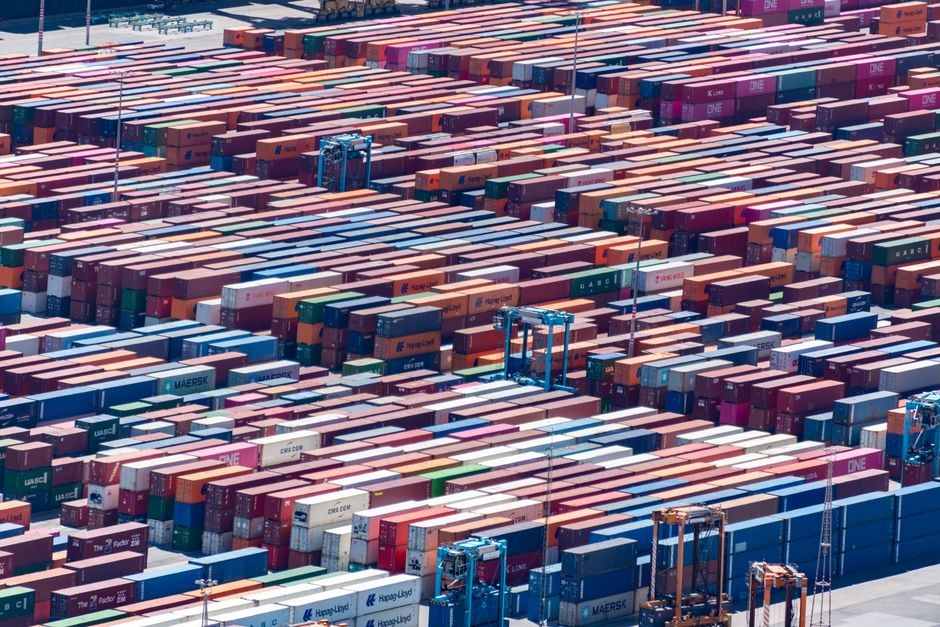
On March 27, 2026, COSCO’s ultra-large container vessels CSCL Indian Ocean and CSCL Arctic Ocean attempted transit through the Strait of Hormuz but aborted the crossing and returned to anchor—marking the first such attempt by a major ocean carrier since the conflict began. Three days later, on March 30, both vessels successfully transited the Strait—the first non-Iranian-flagged vessels to depart the Persian Gulf since hostilities escalated. This follows earlier incidents including the March 11 impact on ONE’s Majesty (6,700-TEU), which sustained minor damage while at anchor in the Persian Gulf, and the March 12 strike near Jebel Ali that hit the Liberian-flagged Source Blessing (3,200 TEU), causing fire and debris damage.
Port operations have also been compromised: the Port of Salalah suspended all activity after a drone attack struck its fuel storage tanks on March 12. Meanwhile, bunker fuel prices surged sharply—average very low sulphur fuel oil (VLSFO) prices across the top 20 global ports rose more than 80% since the de facto closure of the Strait of Hormuz, while IFO380 fuel climbed more than 70%. Carriers are rolling out emergency bunker fuel surcharges effective end-March or early-April, alongside General Rate Increases (GRIs) on Freight All Kinds (FAK) contracts for major West–East lanes. The Shanghai Containerized Freight Index (SCFI) Comprehensive Index rose 12% week over week—an atypical increase for this time of year.
Air Freight Capacity Collapses Amid Widespread Closures
As of March 17, total air space remains closed over Iran, Iraq, Kuwait, Israel, Bahrain, and the Dammam region of Saudi Arabia. The UAE and Qatar permit only limited, PPR-restricted commercial operations. Major hubs operate under severe constraints: Emirates is operating at 65%, Etihad at 15%, and Qatar Airways at 15%. All major EU and U.S. carriers—including Lufthansa, Cargolux, United, and Air France-KLM—maintain cargo embargoes to and from the region through March 28.
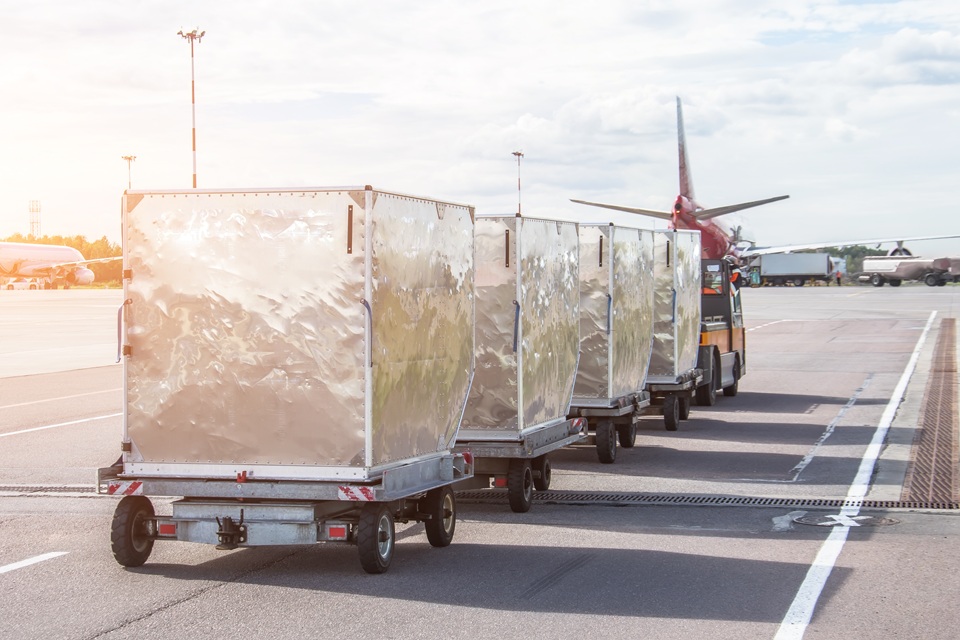
Global air cargo volumes dropped 12% this week, with the Middle East and South Asia experiencing a 36% decline. India–Europe air freight rates spiked about 80%. Jet fuel prices doubled since the conflict began, with a 58% weekly jump reported on March 17—prompting Oman Air to launch weekly fuel and war risk surcharges. STARLUX Airlines suspended all cargo loading at Hanoi’s Noi Bai International Airport (HAN) due to fuel shortages, and China Airlines offloaded three main decks there the previous day.
Operational Workarounds and New Multimodal Options
To mitigate delays and cost inflation, shippers are turning to alternative routing strategies. Flexport launched Sea-Air Express, a new multimodal solution delivering cargo from Asia to Europe in as few as 27 days at rates up to 41% below pure air freight. Other adaptations include leveraging Oman and Saudi Arabian hubs as primary workarounds for UAE-origin freight, deploying road feeder services through Saudi Arabia to bypass flight cancellations, and adding technical stops—such as in Jeddah—to leapfrog restricted zones.
The situation remains highly fluid: over 25,000 regional flights have been canceled, and Alphaliner estimated nearly 470,000 TEUs of container capacity were initially trapped in the Persian Gulf before aggressive vessel diversions and alternate port discharges began.
Source: www.flexport.com
Compiled from international media by the SCI.AI editorial team.