Skip to content

Ocean · Supply Chain · Warehousing & Transport

Analysis

Freight Rates Rise 5% to $2,279: Asia-Europe Leads Gains

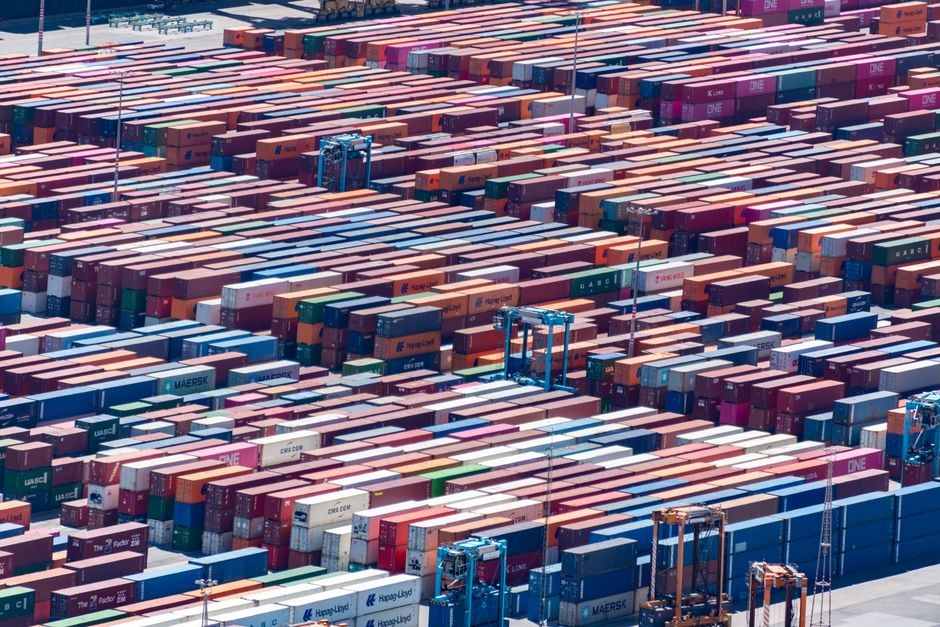
The Drewry World Container Index rose 5% to $2,279 per 40ft container — its fourth straight weekly gain — driven by strong increases on the Asia-Europe route (Shanghai–Genoa up 12% to $3,474) and Transpacific lanes (Shanghai–LA up 4% to $2,686). Middle East tensions, pre-peak retail demand, carrier capacity discipline (including six blank sailings next week on U.S. coasts), and rising bunker costs underpin the trend. CMA CGM’s $3,500/FEU FAK increase effective 1 April signals continued carrier pricing pressure. While still below pandemic highs, the sustained climb points to a new market equilibrium.

Original source: safety4sea.com

Freight Rates Rise 5% to $2,279: Asia-Europe Leads Gains
📋 本文要点

The Drewry World Container Index rose 5% to $2,279 per 40ft container — its fourth straight weekly gain — driven by strong increases on the Asia-Europe route (Shanghai–Genoa up 12% to $3,474) and Transpacific lanes (Shanghai–LA up 4% to $2,686). Middle East tensions, pre-peak retail demand, carrier capacity discipline (including six blank sailings next week on U.S. coasts), and rising bunker costs underpin the trend. CMA CGM’s $3,500/FEU FAK increase effective 1 April signals continued carrier pricing pressure. While still below pandemic highs, the sustained climb points to a new market equilibrium.

According to safety4sea.com, the Drewry World Container Index (WCI) rose 5% to $2,279 per 40ft container, marking the fourth consecutive week of increases.

Asia-Europe Route Drives Uptick

The upward trend is led by sharp gains on the Asia-Europe corridor, where geopolitical tensions in the Middle East are forcing longer, costlier detours. Spot rates from Shanghai to Genoa surged 12% to $3,474 per 40ft container, while Shanghai-to-Rotterdam rates rose 3% to $2,552. Despite these increases, vessel capacity remains relatively stable, with only three blank sailings scheduled for next week across this trade lane.

Transpacific Also Tightens

On the Transpacific route, Shanghai-to-New York rates climbed 3% to $3,393, and Shanghai-to-Los Angeles increased 4% to $2,686. Carriers have announced six blank sailings across U.S. East and West Coast services next week — a clear signal of active capacity management to support rate levels.

Drivers Behind the Surge

  • Geopolitical tensions in the Middle East, disrupting traditional routing and increasing voyage duration and fuel consumption
  • Strong pre-peak season demand as retailers build inventory ahead of Q4
  • Carrier-led capacity discipline via blank sailings and service adjustments
  • Rising bunker fuel costs contributing to higher operating expenses

While current rates remain below pandemic-era peaks, industry analysts observe that the consistent weekly increases suggest the market is settling into a new post-correction equilibrium. Notably, CMA CGM has announced higher Freight All Kinds (FAK) rates of around $3,500 per FEU, effective 1 April — reinforcing carrier resolve to sustain pricing momentum.

Practical Implications for Supply Chain Professionals

For shippers managing cost-sensitive networks, rising freight rates translate directly into higher landed costs — potentially requiring pass-through to end consumers or margin compression. Practitioners are responding with tactical adjustments: shifting to less-than-container-load (LCL) solutions where volume justifies it; consolidating partial loads to improve container utilization; negotiating longer-term contracts to lock in predictable rates; and evaluating alternative routes or multimodal options where feasible. These actions reflect a broader industry shift toward proactive, data-informed capacity planning rather than reactive cost absorption.

Source: safety4sea.com

Compiled from international media by the SCI.AI editorial team.

Ask SCI.AI Finished reading? Continue with SCI.AI. Explore the related policy, route, company and historical context. Continue asking
C.H. Robinson acquires RXO for $5.8B at 42x EBITDA
Risk & Resilience

C.H. Robinson acquires RXO for $5.8B at 42x EBITDA

C.H. Robinson’s $5.8 billion acquisition of RXO trades at 42x EBITDA — far above the industry norm of 8–13x — and hinges on delivering $300 million in cost savings within two years. A $185 million breakup fee applies if the deal collapses, and all existing legal liabilities, including those from the Lupus Superior co-employer ruling, will transfer to C.H. Robinson. RXO and C.H. Robinson each operate 3,000–4,000 drop-and-hook trailers, while ITS Logistics runs 8,000 units. With 70% of unplanned maintenance tied to trailing assets, trailer scale is now a core strategic differentiator. Brokers ranked 20th to 50th by size may be next in line for consolidation.

Fake broker redirects $273K seafood shipment in NJ
ESG & Regulation

Fake broker redirects $273K seafood shipment in NJ

A fraudulent scheme in North Arlington, New Jersey, nearly diverted $273,000 worth of frozen seafood — including shrimp, salmon, conch meat, and branzino — after a truck driver followed fake instructions from an impersonator posing as a freight broker. The unauthorized October 3 diversion brought 29,000 pounds of cargo to an unauthorized site, where two individuals began loading it into a 26-foot box truck. Police intervened before removal, arresting 18-year-old Jonathan Pollaguari and a juvenile. Pollaguari faces second-degree theft by deception, conspiracy, and a first-degree charge for employing a juvenile in the crime, plus motor vehicle violations. Authorities confirmed the impersonator had no ties to the legitimate brokerage.

C.H. Robinson acquires RXO for $300M in synergies
Risk & Resilience

C.H. Robinson acquires RXO for $300M in synergies

C.H. Robinson’s acquisition of RXO marks the largest truck brokerage M&A in history, anchored by $300 million in projected synergies. Analysts note the deal’s $1-per-share break fee signals minimal risk of competing bids, while the pro forma valuation stands at 10x EBITDA. With U.S. truckload brokerage outsourcing at just 25% to 30%, the market remains in “the middle innings” of growth. Several billion-dollar logistics firms—including Redwood Logistics and Mode—are expected to trade within 24 months. International players like DSV, underrepresented in North America post-Schenker, may enter. Mid-market consolidation is anticipated to accelerate fastest.

Welcome Back!

Login to your account below

Create New Account!

Fill the forms below to register

Retrieve your password

Please enter your username or email address to reset your password.

Scan to share via WeChat

Open WeChat and scan the QR code to share

QR Code

Add New Playlist