According to www.scmp.com, clean power generation met 100% of the world’s new electricity demand in 2025, marking a structural inflection point in global energy supply — with fossil fuel generation held flat for the first time as clean sources scaled to absorb all incremental load.
A Historic Shift in Global Electricity Generation
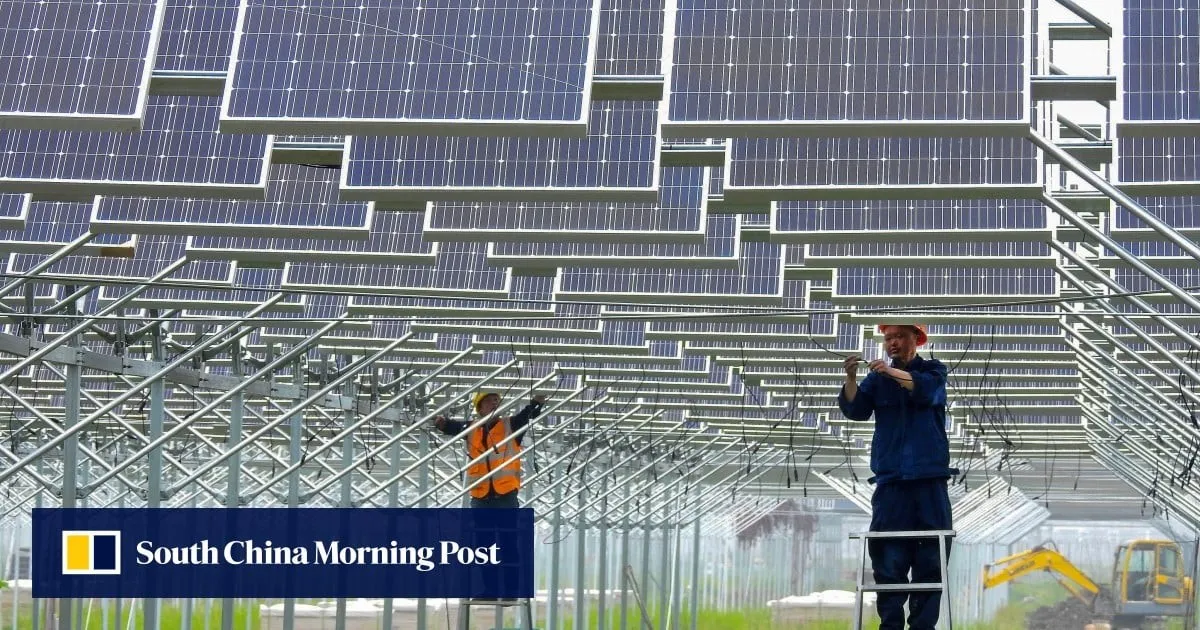
The London-based energy think tank Ember, in its annual Global Electricity Review released on 21 April 2026, reported that global clean power generation rose by 887 terawatt-hours (TWh) in 2025, while total global electricity demand increased by 849 TWh. This surplus enabled clean sources to fully offset new demand without requiring additional fossil generation. As a result, renewables accounted for 34 per cent of total global electricity generation last year — overtaking coal’s 33 per cent share for the first time in a century. Coal generation fell for the first time since 2020 and dropped below one-third of global generation.
China and India Drive the Transition
The report highlights that the global pivot is being led by China and India. Though the two countries were the largest contributors to global fossil fuel growth over the past two decades, in 2025 both recorded record clean power additions that outpaced domestic electricity demand growth — resulting in measurable declines in their fossil fuel generation. This dual shift underscores how national energy security strategies are increasingly converging with decarbonisation imperatives, especially amid geopolitical tensions such as the US-Israel war on Iran, which has heightened concerns about oil and gas import dependency.
Implications for Supply Chain Professionals
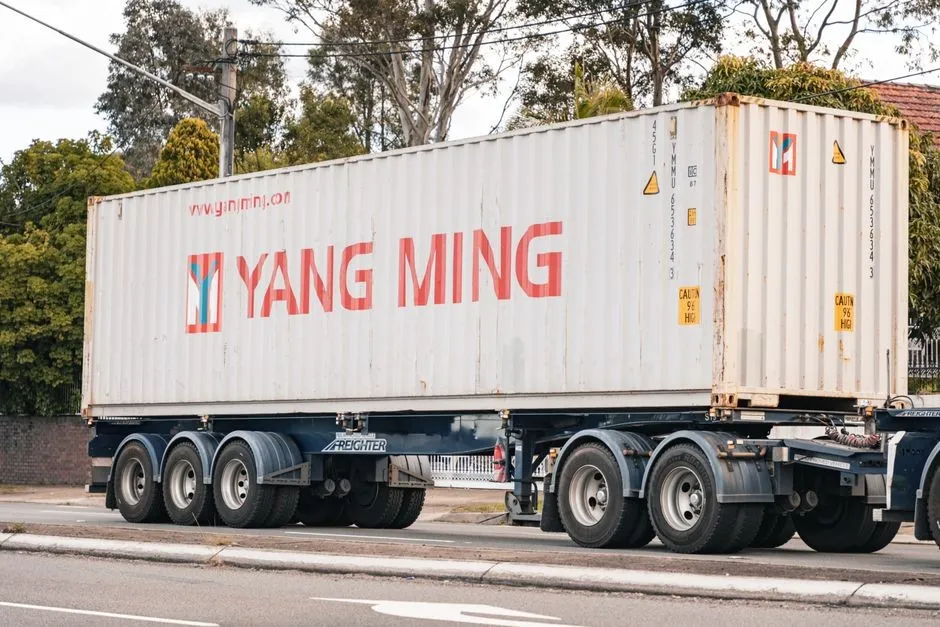
For global supply chain professionals, this milestone signals accelerating pressure to align logistics, procurement, and infrastructure planning with rapidly evolving energy realities. Electrification of transport fleets, data center power sourcing, and factory energy contracts are no longer forward-looking options but operational necessities. The 34% renewables share reflects not just generation capacity but also grid-level reliability improvements — enabling more predictable, lower-carbon power procurement across geographies. With coal now structurally displaced at the global generation level, long-term energy cost forecasting must account for falling marginal costs of wind and solar, and rising exposure to grid-scale battery deployment timelines. Furthermore, supply chains dependent on critical minerals — such as lithium, cobalt, and rare earths used in turbines, inverters, and EV batteries — face intensified scrutiny on traceability, ESG compliance, and geopolitical diversification, given China’s dominant role in refining and manufacturing clean energy hardware.
“We have firmly entered the era of clean growth,” said Aditya Lolla, Ember’s interim managing director. “Clean energy is now scaling fast enough to absorb rising global electricity demand, keeping fossil generation flat before its inevitable decline. The momentum we are seeing is no longer just an ambition; it is becoming a structural reality.”
Industry context confirms this acceleration: the International Energy Agency (IEA) reported in 2024 that over 80% of all new global power capacity added in 2023 was renewable-based, and BloombergNEF estimates that global investment in clean energy reached $1.8 trillion in 2024, surpassing fossil fuel investment for the third consecutive year. These trends reinforce that the 2025 milestone is not an anomaly but the culmination of sustained policy, financing, and technological convergence — with direct consequences for energy-intensive supply chain nodes from smelting to cold chain refrigeration.
Source: South China Morning Post
Compiled from international media by the SCI.AI editorial team.