According to listrikindonesia.com, Indonesia’s mandatory 50% biodiesel (B50) program — set to launch in July 2026 — will continue through 2027. The government is using the initial implementation phase to secure raw material supply, confirm producer readiness, and validate infrastructure and distribution capacity for seamless nationwide rollout.
B50 Implementation Requires Full-Chain Coordination
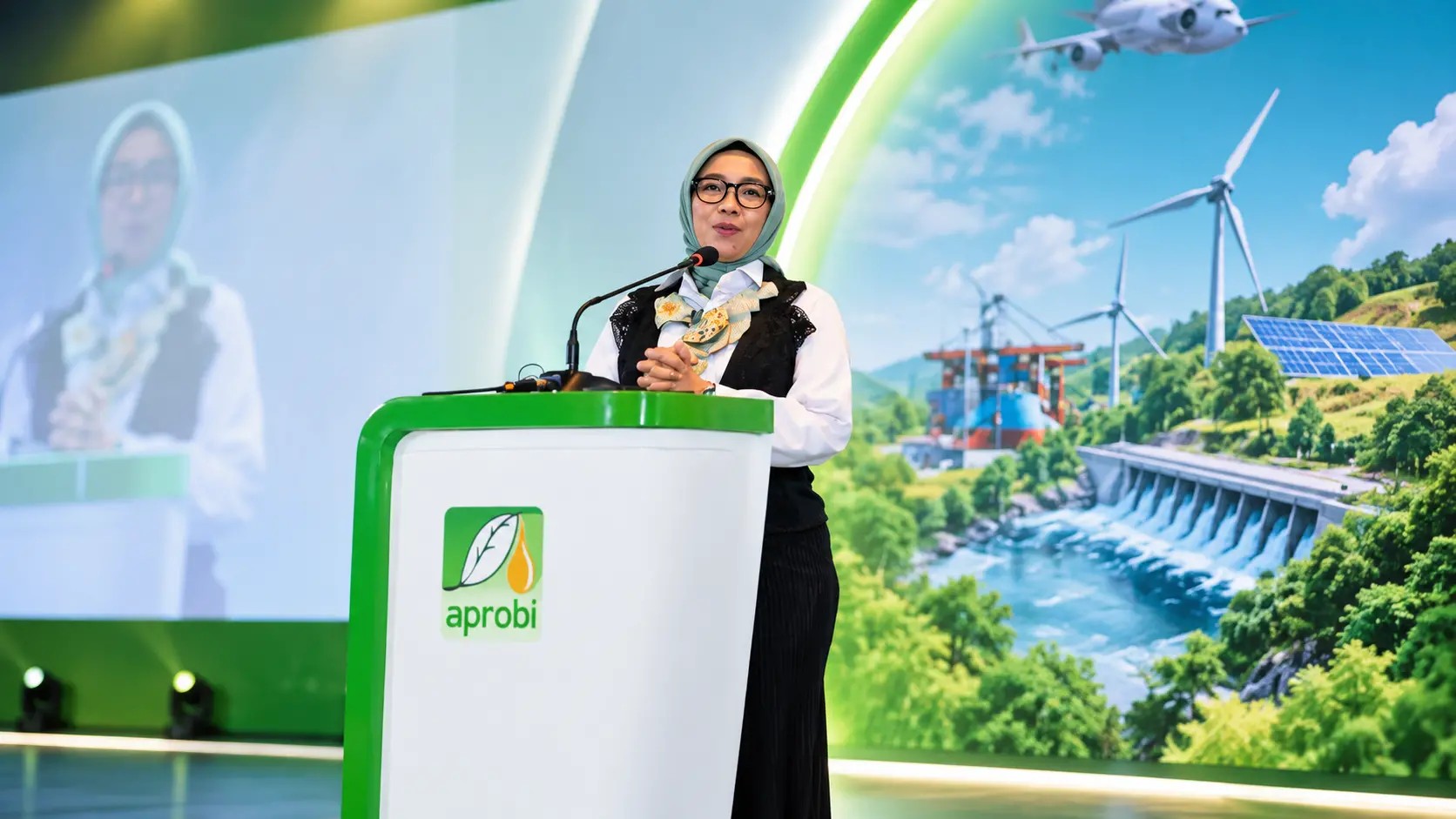
Eniya Listiani Dewi, Director General of New and Renewable Energy and Energy Conservation at Indonesia’s Ministry of Energy and Mineral Resources (ESDM), emphasized that B50 success hinges not only on production capability but also on reliable feedstock supply, industry investment, and logistics preparedness. “The B50 target is confirmed for 2027. We aim to ensure uninterrupted market delivery, which requires close collaboration across the entire supply and distribution chain to drive investment and volume fulfillment,” she stated during a virtual address at the 6th Palm Biodiesel Conference 2026 in Nusa Dua, Bali, on Thursday, 17/9/2026.
The ministry is aligning all industrial tiers — from feedstock availability and production capacity to final delivery — to accommodate the higher blend’s technical and logistical demands. Sustained supply certainty is critical: consistent volume assurance prevents disruptions caused by logistical bottlenecks or raw material shortfalls. For biodiesel producers, the multi-year mandate provides planning stability, enabling capacity expansion and supply chain adjustments tailored to rising 50% blend requirements.
B60 Faces Technical Hurdles; HVO Considered for Incremental Increase
While B50 advances, discussions on a 60% blend (B60) are underway — though Eniya noted significant technical challenges remain, especially if the full additional 10% relies solely on Fatty Acid Methyl Ester (FAME). One viable path under evaluation involves substituting part of that increment with Hydrotreated Vegetable Oil (HVO).
“Blending up to 60% presents unique challenges. However, there is potential to add 10% using HVO if we exceed B50 — provided economic viability and HVO pricing in the market are carefully assessed,” she explained. Deployment of B60 thus depends on HVO availability, compatible technology, scalable production capacity, and competitive market pricing — not merely percentage targets.
National Biofuel Strategy Expands Beyond Road Transport
Parallel to B50 implementation, Indonesia’s national biofuel agenda is broadening into aviation. Government and stakeholders are advancing development of Sustainable Aviation Fuel (SAF), aiming to extend renewable fuel use beyond ground transportation into air travel.
This diversification reflects a strategic shift: Indonesia’s biofuel policy now encompasses both scaling biodiesel mandates for road transport and expanding applications into high-value sectors like aviation. The move underscores that the nation’s renewable energy transition is no longer limited to diesel substitution but actively includes decarbonizing hard-to-abate transport segments.
Source: listrikindonesia.com
Compiled from international media by the SCI.AI editorial team.