Indonesia is positioning its critical mineral reserves — nickel, bauxite, tin, gold and rare earths — as the base for entry into the global semiconductor supply chain, Deputy Minister of Communication and Digital Affairs Nezar Patria said at the Digital Economic Policy Forum in Denpasar on 22 October 2026. The plan, part of Bali Tech Week 2026, involves downstream processing of minerals into semiconductor components. Coordinating Minister Airlangga Hartarto outlined four AI priorities, including a 200 percent super tax deduction for corporate support of chip design training and a projected need for 9 million digital talents by 2030. Analysts warned the project needs 20 to 30 years and questioned Indonesia's orientation between WAICO and Pax Silica.
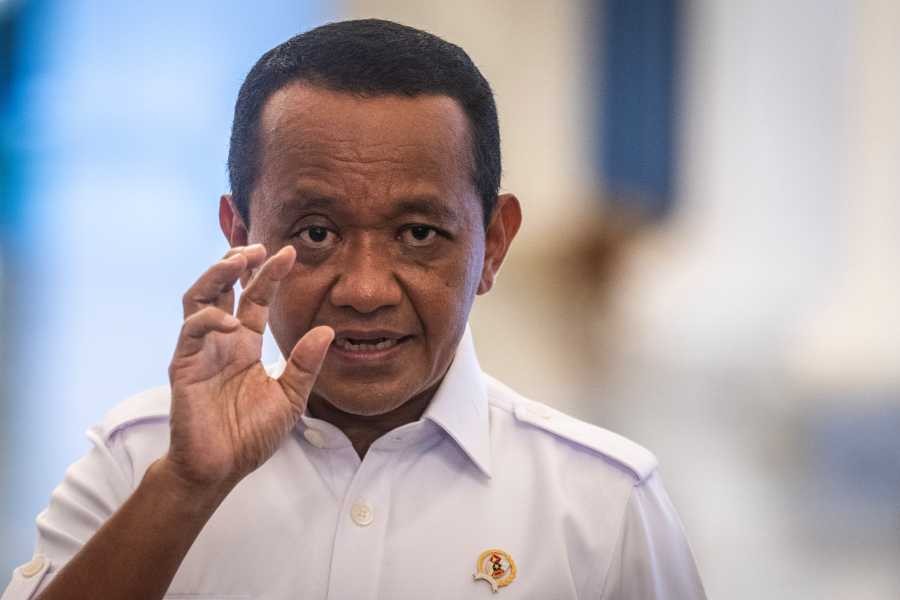
Indonesia plans to use its reserves of critical minerals to move into the global semiconductor supply chain, according to www.kompas.id, with Nezar Patria, Deputy Minister of Communication and Digital Affairs, arguing that securing strategic positions in the chain is essential to supporting the country’s artificial intelligence industry.
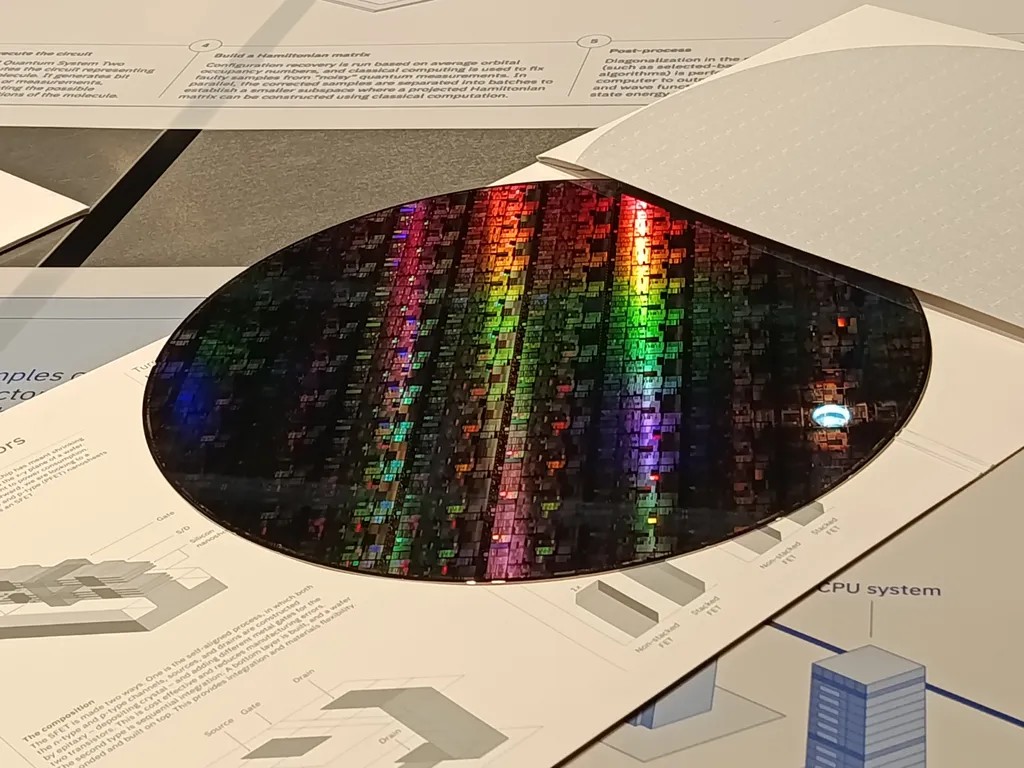
Speaking in a keynote address at the Digital Economic Policy Forum session in Denpasar, Bali, on Thursday (22/10/2026), Nezar said one route is to develop downstream processing of critical minerals into the technological components required by semiconductor manufacturing. He pointed to nickel, bauxite, tin, gold and rare earth metals as the resource base Indonesia can draw on.
According to the report, Nezar framed this mineral wealth as capital for joining the global technology supply chain while strengthening national AI competitiveness. He argued that supply-chain participation translates directly into leverage in the technology competition.
“If we can enter the global supply chain, at least we have bargaining power in the midst of competition in the AI technology industry.” — Nezar Patria, Deputy Minister of Communication and Digital Affairs
Ministry roles split as semiconductor plan takes shape
On the plan for semiconductor industry development, Nezar said the Ministry of Communication and Information Technology is coordinating with several ministries. The Coordinating Ministry for Economic Affairs has already designed the plan together with the Ministry of Industry.
The Ministry of Communication and Information Technology will not manage the physical facility needs for semiconductor production, according to the report. Its role will focus instead on regulating the ecosystem for how the technology is used.
The Digital Economic Policy Forum is part of Bali Tech Week 2026, Indonesia’s national technology week that serves as an umbrella for 13 event programs across the digital industry ecosystem. The event runs from October 19 to 23, 2026, with approximately 4,000 participants from 32 countries and 200 speakers and moderators.
Indonesia balances two AI blocs
In recent months the Indonesian government has taken a strategic role in two major global blocs tied to the AI industry. First, it became a founding member of the World Artificial Intelligence Cooperation Organization (WAICO), initiated by China on July 16, 2026, opening potential for AI investment and data centers as well as access to technology transfer, training and AI governance.
Second, the government is seeking cooperation with the United States through the Pax Silica framework. According to the report, the goal is to strengthen the technology supply chain and downstream processing of critical minerals while encouraging investment from large American companies including Microsoft, NVIDIA and Amazon.
At the AI Impact Summit, also part of Bali Tech Week 2026, Coordinating Minister for Economic Affairs Airlangga Hartarto said in a video address on Wednesday (21/10/2026) that AI technology must act as a catalyst for productivity, industrial competitiveness, micro, small and medium enterprises, higher-value jobs and public services.
“The digital economy, driven in part by the AI industry, is part of Indonesia’s new growth engine.” — Airlangga Hartarto, Coordinating Minister for Economic Affairs
Four priorities and a 200 percent tax deduction
Airlangga cited a Goldman Sachs projection that global AI investment could exceed 1 trillion US dollars by 2026. He said Indonesia has the largest digital economy in Southeast Asia, projected to reach around 100 to 140 billion US dollars by the end of 2026.
The government has set four priorities for the AI industry, according to the minister:
- AI infrastructure and energy security
- National talent and innovation — Indonesia will need around 9 million digital talents by 2030
- Accelerating AI adoption in the manufacturing supply chain and public services such as the Online Single Submission system, logistics taxation and healthcare
- Global governance and collaboration, including joining WAICO as a founding member
To address the talent gap, the government is offering a super tax deduction of up to 200 percent for corporations that support vocational training for chip design engineers. Industrial estates and Special Economic Zones are intended to serve as hubs for research and commercialization.
Analysts warn of long timeline and unclear orientation
Bhima Yudhistira, Executive Director of the Center of Economic and Law Studies (Celios), said the semiconductor plan requires thorough preparation. A crucial first step is providing infrastructure for special industrial zones backed by adequate energy supply, so the sector does not compete with existing industries for power.
Indonesia also needs to map its position in the global supply chain, he said, noting that Taiwan and Malaysia have played a crucial role in semiconductors. He suggested focusing on assembly, patent ownership and technology transfer, or on optimizing domestic processing of critical minerals as primary raw materials.
Bhima added that entering the semiconductor industry means the government must treat it as a long-term investment whose success can only be achieved in 20 to 30 years. The next step after mapping is anticipating demand for skilled human resources, including strategies to strengthen vocational education and training.
Wahyudi Djafar, Executive Director of Catalyst Policy Works, compared the situation to Indonesia’s process of joining the OECD while simultaneously becoming a member of BRICS. He said this raises questions about how the country’s foreign policy neutrality is interpreted, and whether neutrality means following both blocs.
“The main question is actually: what is the orientation of Indonesia’s national interests and what specific targets are intended to be achieved in the context of national interests? The same question also arises in the governance of AI.” — Wahyudi Djafar, Executive Director of Catalyst Policy Works
Wahyudi noted that WAICO and Pax Silica have different visions, missions and competitive approaches to AI technology, semiconductor supply chains, and critical minerals and rare earth metals. Measured against the pillars of AI sovereignty — technology model development, infrastructure, and platforms or applications — he said it is not yet clear which element Indonesia prioritizes.
Developing an independent model would be difficult, in his view, since China itself is not prioritizing AI model competition with US technology companies. Instead, China is focused on using open-source models to build applications and on strengthening infrastructure and access to critical minerals.
“This dynamic brings back a fundamental question for Indonesia: where is Indonesia’s ultimate orientation and target in the AI industry?” — Wahyudi Djafar, Executive Director of Catalyst Policy Works
Source: kompas.id
Compiled from international media by the SCI.AI editorial team.