Indonesia targets $618 billion in downstreaming value by 2040, pivoting from raw material exports to high-value processing across minerals, oil and gas, forestry, fisheries, and agriculture. A nickel ore export ban enacted in 2017–2018 catalyzed export growth from $3.3 billion (2017) to $34 billion (2023), $40 billion (2025), and a projected $45 billion in 2026. Coordinating Minister Bahlil Lahadalia emphasized domestic industrialization and green energy integration to meet global demand for low-emission products.
According to tutur.co.id, Indonesia aims to achieve US$618 billion in national downstreaming value by 2040, shifting from raw material exports to high-value processed goods across multiple sectors.
Strategic Economic Transformation
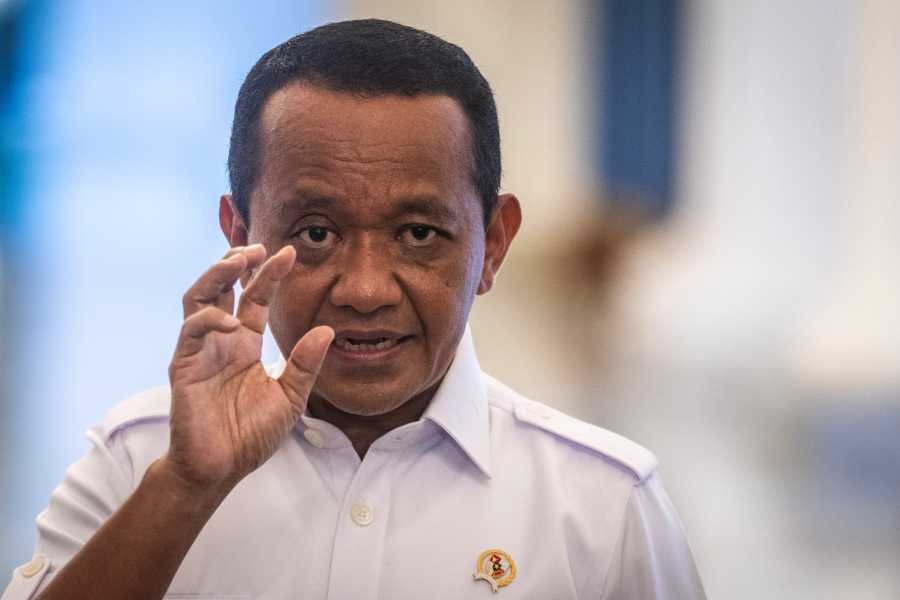
Coordinating Minister for Downstreaming and Energy Transition Bahlil Lahadalia stated that the US$618 billion target forms a cornerstone of Indonesia’s economic restructuring — moving away from reliance on unprocessed commodity exports. The plan explicitly covers mineral and coal, oil and gas, forestry, fisheries, and agriculture sectors. During Trade Expo Indonesia 2026, held on October 14, 2026, Lahadalia affirmed Indonesia’s commitment to domestic value addition:
“Ladies and gentlemen, investors — we assure you that Indonesia will no longer be a country exporting only raw materials. We know several countries that previously relied on Indonesian raw materials for their industrialization initially felt greatly disturbed.” — Bahlil Lahadalia, Coordinating Minister for Downstreaming and Energy Transition
Nickel Policy as Catalyst
The government cites nickel as a key proof point: the ban on nickel ore exports — implemented in 2017 and reinforced in 2018 — triggered a dramatic export value surge. Nickel exports rose from US$3.3 billion to US$34 billion by 2023, then exceeded US$40 billion in 2025. The ministry projects nickel-related downstream exports will reach at least US$45 billion in 2026, driven by integrated electric vehicle battery ecosystem development from upstream to battery pack manufacturing.
Enablers and Global Alignment
To sustain this expansion, the government is prioritizing investment, infrastructure, technology, and clean energy supply. Lahadalia emphasized that global markets increasingly favor low-emission production, urging investors to locate green manufacturing operations in Indonesia:
“So I tell all of you: invest here. We will support you with new and renewable energy — because global buyers now strongly prefer products made with green energy and green industry.” — Bahlil Lahadalia, Coordinating Minister for Downstreaming and Energy Transition
This alignment with decarbonization trends is intended to boost competitiveness while anchoring downstreaming in long-term sustainability.
Source: tutur.co.id
Compiled from international media by the SCI.AI editorial team.