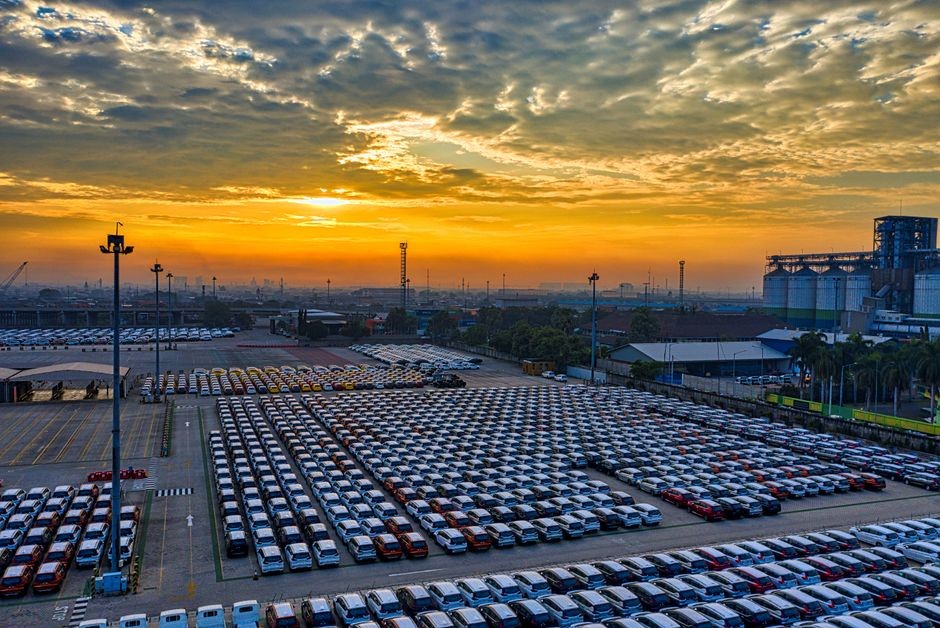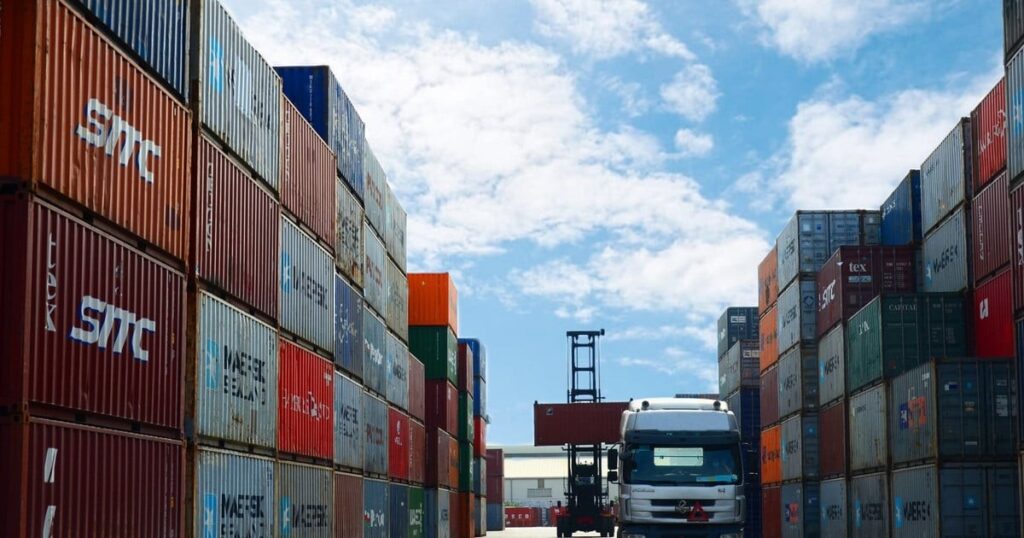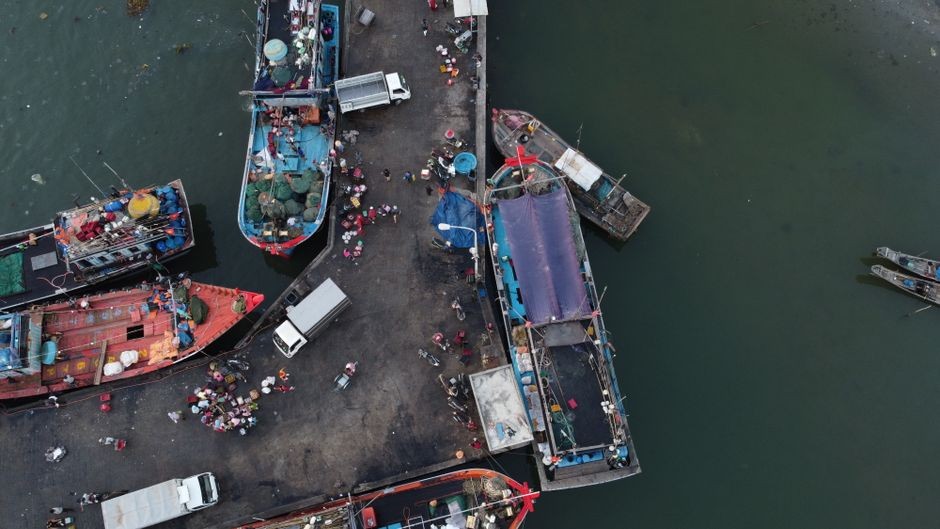
According to diendandoanhnghiep.vn, Haiphong is advancing a strategic logistics integration plan linking supply sources, modern warehousing, and intelligent multimodal transport to position itself as an international logistics hub.
Potential of Deep-Water Port Infrastructure
Haiphong’s logistics strength centers on its deep-water seaport system—the northern region’s sole international gateway. Per the Ministry of Construction’s 2021–2030 detailed planning approval—with vision extending to 2050—the port aims to handle 175.4–215.5 million tons of cargo annually by 2030. Container throughput is projected to reach 12.15–14.92 million TEU, excluding international transshipment volumes, while serving 20,400–22,800 passengers per year.
The plan allocates 61–73 berths and 98–111 piers, totaling 20,196–23,446 meters in combined length—not including specialized terminals. By 2050, cargo volume is expected to grow at 5–5.3% annually, with passenger traffic rising 1.5–1.6% per year.
Lạch Huyện—a modern deep-water port zone capable of accommodating large vessels on direct Europe and U.S. routes—has become the focal point for investment inflows, relieving congestion at urban ports and accelerating export-import growth for the Northern Key Economic Region.
Strategic Logistics Land Use and Spatial Planning
Under Prime Ministerial Decision No. 323/QĐ-TTg, which adjusts Haiphong’s master plan through 2040 (vision to 2050), the city prioritizes port and port-service functions as core development pillars. The total land designated for logistics infrastructure spans 2,200–2,500 hectares, scientifically distributed across international and regional logistics centers in Đình Vũ–Cát Hải, plus city-level, specialized, and support centers tied to major trade nodes.
This network integrates directly with key industrial production zones, river and sea ports, and multimodal transport hubs—optimizing freight corridors. As export-import volumes through Haiphong’s ports continue registering impressive growth across successive periods, this integrated spatial design unlocks transformative opportunities for local enterprises.
The city’s forward-looking planning mindset—paired with modern governance—is cited by global logistics groups entering Haiphong as a key competitive advantage beyond its geographic location.
Smart Integration and Digital Transformation
To unlock full value from its infrastructure, Haiphong is building seamless digital linkages among supply sources, warehousing, and multimodal transport. Nguyễn Trung Tuyên, Deputy Chairman of the Haiphong Industrial Development Support Association, stated:
“In Haiphong—where manufacturers and exporters increasingly demand strict end-to-end delivery timelines and low inventory costs—creating an integrated logistics chain is a matter of survival. Multimodal transport serves as the circulatory system, smoothly connecting road, inland waterway, rail, and sea to move raw materials from suppliers to factories and finished goods from warehouses to piers as quickly as possible.” — Nguyễn Trung Tuyên, Deputy Chairman of the Haiphong Industrial Development Support Association
When industrial supply chains link directly with bonded warehouses, cold-storage facilities, and smart distribution centers in Đình Vũ or Nam Đình Vũ, cargo dwell time drops significantly—enhancing working capital turnover and overall productivity.
Local logistics and port firms are actively digitizing operations: deploying AI-integrated warehouse management systems, RFID-based real-time inventory tracking, and automated storage optimization. Simultaneously, digital multimodal platforms dynamically coordinate trucks, river barges, and seagoing vessels using intelligent route-planning software—reducing empty runs, fuel use, and carbon emissions. Fully digitized one-stop customs clearance—integrated with live data from Lạch Huyện deep-water ports—creates a seamless electronic clearance corridor, minimizing processing time.
Source: diendandoanhnghiep.vn
Compiled from international media by the SCI.AI editorial team.