Skip to content

Southeast Asia Supply Chain

Analysis

Huế City Chairman Tours Quảng Trị Deepwater Port for Northern Industrial Logistics

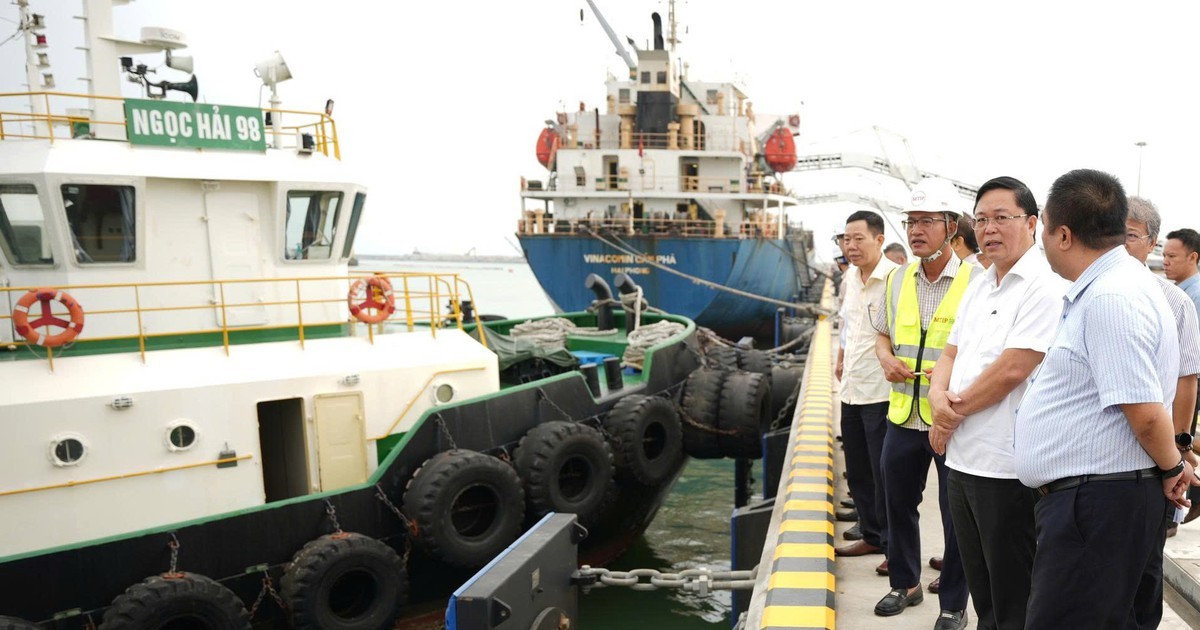
Huế City Chairman Lê Trí Thanh led a field visit to Quảng Trị’s Mỹ Thủy Deepwater Port on September 15 to align logistics infrastructure with industrial growth north of Huế. He identified the port as a key node for Phong Điền and other northern zones, directed land-use reviews prioritizing flood resilience and transport access, and mandated integrated road planning with a 36m right-of-way. Phong Điền Industrial Zone (700ha, expanding to 2,038ha) hosts 16 projects and employs 10,600; Tứ Hạ (126.7ha) reports 81% occupancy and supports 4,000 jobs.

Original source: Source information pending

Huế City Chairman Tours Quảng Trị Deepwater Port for Northern Industrial Logistics

According to vietnam.vn, Huế City Chairman Lê Trí Thanh led a working delegation to Mỹ Thủy Deepwater Port and the Southeast Quảng Trị Economic Zone on September 15 to assess logistics infrastructure supporting industrial zones north of Huế.

Strategic Port Integration

Chairman Lê Trí Thanh emphasized that industrial development in northern Huế cannot be separated from regional infrastructure systems. He identified Mỹ Thủy Port as a critical logistics node capable of serving cargo transport and logistics services for northern industrial zones—particularly Phong Điền Industrial Zone. The delegation conducted on-site inspections of port traffic systems and evaluated connectivity options between the port and planned industrial corridors.

The chairman directed a comprehensive review of available land, prioritizing high-elevation sites less vulnerable to flooding and with strong infrastructure linkages. For sparsely populated areas under study, he mandated resettlement plans that integrate residents into existing residential clusters while upgrading social infrastructure to ensure long-term livelihoods and living standards.

Transportation Infrastructure Planning

On transportation, Chairman Lê Trí Thanh ordered accelerated completion of east-west corridors linking National Highway 1A, the coastal road, and the expressway. All roads serving newly planned industrial zones must be designed with synchronized connections to both port facilities and the expressway network. These routes are being studied with a 36m planned right-of-way width.

Initial investment may proceed incrementally based on actual demand, but full land reservation and precise boundary marking are mandatory to enable future expansion as industry scales up. This approach ensures scalability without compromising long-term integration goals.

Industrial Zone Assessments and Expansion Plans

The delegation visited multiple operational and developmental sites: the Phong Điền Industrial Zone–Viglacera infrastructure project, Kanglongda Huế Factory, and Đạt Phương’s ultra-clear floral glass factory. At Kanglongda Huế, Chairman Lê Trí Thanh commended its investment scale and production environment, urging continued labor safety compliance, worker welfare improvements, and acceleration of wastewater treatment system construction.

At Đạt Phương, he required completion of remaining works to meet the scheduled operational launch timeline. The team also inspected the proposed Hera Biopharma–High-Tech Industry Ecosystem site and Tứ Hạ Industrial Zone. For Hera, he approved continued feasibility studies oriented toward integrating R&D, manufacturing, healthcare, and medicinal raw material cultivation. Regarding Tứ Hạ, he endorsed expansion planning contingent on fully integrated infrastructure—including transport, drainage, greenery, landscape, and environmental protection.

Zone Statistics and Capacity

Phong Điền Industrial Zone currently covers 700ha and is planned for expansion to 2,038ha, focusing on green, clean, high-tech, and environmentally friendly industries. It hosts 16 operational projects, employing approximately 10,600 workers. Tứ Hạ Industrial Zone spans 126.7ha; its Phase 1 occupies 37.6ha, has attracted 14 secondary projects, achieved an 81% occupancy rate, and supports 4,000 jobs across 11 active projects.

Source: vietnam.vn

Compiled from international media by the SCI.AI editorial team.
Ask SCI.AI Finished reading? Continue with SCI.AI. Explore the related policy, route, company and historical context. Continue asking
WWF Indonesia, CPOPC Ink MoU to Boost Palm Oil Supply Chain Transparency
Southeast Asia Supply Chain

WWF Indonesia, CPOPC Ink MoU to Boost Palm Oil Supply Chain Transparency

WWF-Indonesia and the Council of Palm Oil Producing Countries (CPOPC) signed a Memorandum of Understanding on 18 Sep 2026 to strengthen supply chain transparency, certification, and smallholder inclusion in palm oil production. The 'Green Partnership' targets enhanced credibility for Indonesia's ISPO standard and supports national climate goals—including a 31.89% emissions cut by 2030. A follow-up webinar addressed EUDR compliance challenges for smallholders, featuring voices from Indonesia and Malaysia.

Indonesian Palm Oil Supply Chain Faces 60% Theft, 442 Unlicensed PKS
Southeast Asia Supply Chain

Indonesian Palm Oil Supply Chain Faces 60% Theft, 442 Unlicensed PKS

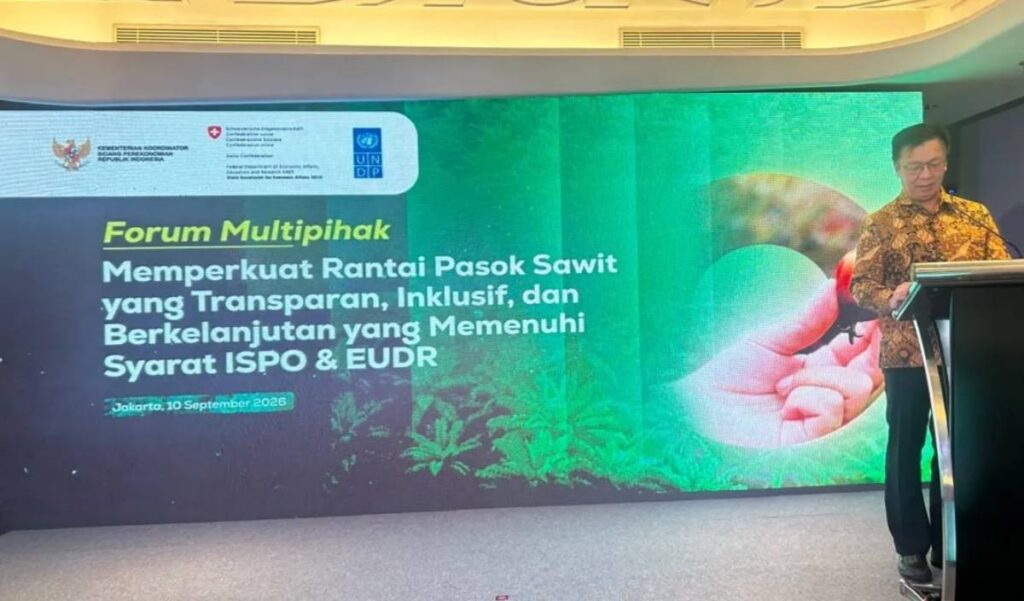
Indonesia’s palm oil sector faces mounting pressure from 442 unlicensed palm oil mills (PKS) and TBS theft rates as high as 60% at member plantations, according to GAPKI. A UNDP forum held in Jakarta on 10/9/2026 highlighted how informal loading ramps and unregulated mills undermine traceability, inflate free fatty acid levels in CPO, and threaten compliance with the EU Deforestation Regulation—effective 30 December 2026. Researchers note that 4.7 million hectares of independent smallholders rely on this fragmented system, yet receive diminished returns due to inefficiencies. GAPKI calls for urgent supply chain formalization to restore integrity and meet international sustainability standards.

LEGO Opens $1.3B Vietnam Factory, 100% Renewable by 2027
Southeast Asia Supply Chain

LEGO Opens $1.3B Vietnam Factory, 100% Renewable by 2027

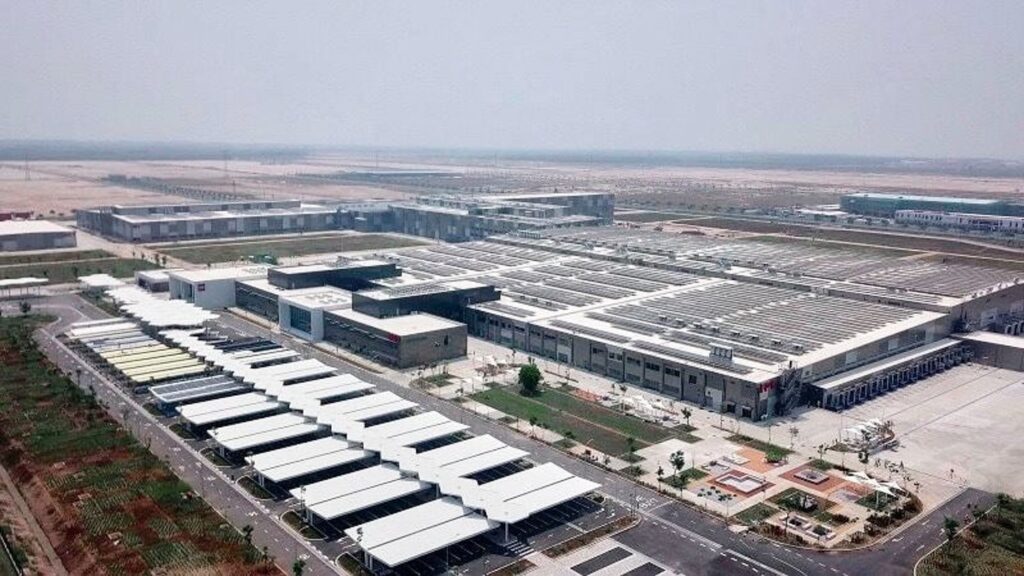
LEGO opened its largest global factory in Ho Chi Minh City on April 9, 2025 — a $1.3 billion facility spanning 44 hectares (62 football fields) with 150,000 m² of floor space. Designed to run on 100% renewable energy from 2027, it features 12,400 solar panels (7.34 MWp) and targets 15,000 tonnes of annual CO₂ reduction. Concurrently, LEGO launched a LEED Gold-certified Regional Distribution Center in Đồng Nai covering 10,200 m² initially, expanding to 16,360 m² and handling 150 containers weekly. The integrated complex supports logistics across Australia, New Zealand, Japan, Singapore, Malaysia, and planned markets including Indonesia and India.

Welcome Back!

Login to your account below

Create New Account!

Fill the forms below to register

Retrieve your password

Please enter your username or email address to reset your password.

Scan to share via WeChat

Open WeChat and scan the QR code to share

QR Code

Add New Playlist