Skip to content

Southeast Asia Supply Chain

Analysis

Indonesian Palm Oil Supply Chain Faces 60% Theft, 442 Unlicensed PKS

Indonesia’s palm oil sector faces mounting pressure from 442 unlicensed palm oil mills (PKS) and TBS theft rates as high as 60% at member plantations, according to GAPKI. A UNDP forum held in Jakarta on 10/9/2026 highlighted how informal loading ramps and unregulated mills undermine traceability, inflate free fatty acid levels in CPO, and threaten compliance with the EU Deforestation Regulation—effective 30 December 2026. Researchers note that 4.7 million hectares of independent smallholders rely on this fragmented system, yet receive diminished returns due to inefficiencies. GAPKI calls for urgent supply chain formalization to restore integrity and meet international sustainability standards.

Original source: Source information pending

Indonesian Palm Oil Supply Chain Faces 60% Theft, 442 Unlicensed PKS

According to sawitindonesia.com, the proliferation of unlicensed palm oil mills—442 units operating without plantations—and rampant theft of fresh fruit bunches (TBS) are destabilizing Indonesia’s palm oil supply chain, with reported theft rates reaching 60% at some member plantations.

Rising Theft and Unregulated Infrastructure

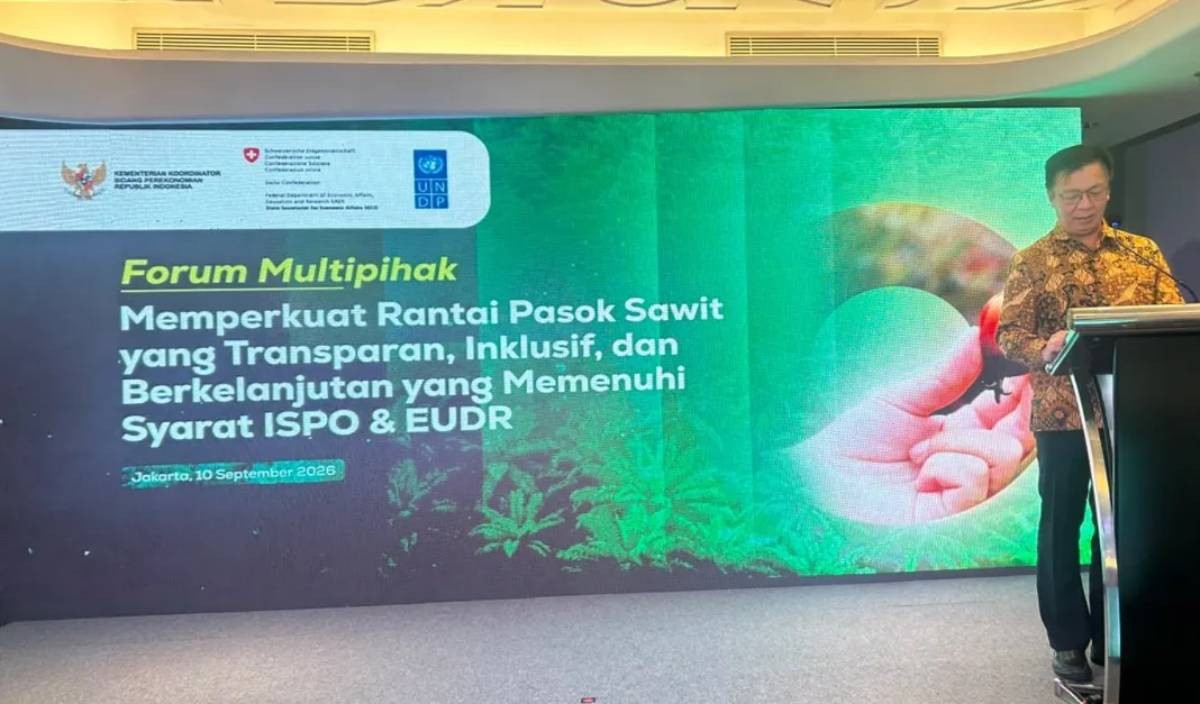
The United Nations Development Programme (UNDP) hosted a multistakeholder forum in South Jakarta on 10/9/2026 titled “Strengthening a Transparent, Inclusive, and Sustainable Palm Oil Supply Chain,” where industry leaders raised alarms over surging TBS theft and the emergence of informal infrastructure. Agam Fatchurrochman, Head of Sustainability at the Indonesian Palm Oil Producers Association (GAPKI), stated that organized theft now extends from informal “berondolan” (loose fruit collection) by children to armed gangs resisting law enforcement.

He added:

“Reports from several members indicate theft levels in their plantations have reached 50–60%, ranging from cultural loose-fruit gathering by children to organized theft syndicates that confront authorities.” — Agam Fatchurrochman, Head of Sustainability, GAPKI

This surge coincides with the unchecked growth of non-conventional facilities—including unauthorized loading ramps and so-called “PKS berondolan” (scattered mills)—that allegedly serve as outlets for stolen TBS. The absence of strict oversight across legality, environmental impact management (AMDAL), and metrology has created an unlevel playing field against licensed mills.

Quality, Compliance, and Market Risks

Unregulated processing is directly degrading national crude palm oil (CPO) quality: high free fatty acid (FFA) levels are increasingly common due to delayed or improper handling of TBS. This degradation threatens Indonesia’s compliance with the European Union Deforestation Regulation (EUDR), which enters full force on 30 December 2026.

The EUDR requires full traceability back to the plantation level—a standard undermined when TBS enters the supply chain through unregistered loading ramps or mills lacking legal permits or environmental clearance. With 442 such mills operating nationwide, traceability gaps widen significantly.

Moreover, the fragmented system erodes farmer income: Ratnawati Nurkhoiry, researcher at the Palm Oil Research Center (PPKS), noted that the current supply chain structure—designed to serve 4.7 million hectares of independent smallholders—actually reduces the farmers’ share of final revenue due to excessive intermediaries and delays in payment.

Toward Formalization and Traceability

GAPKI is urging urgent regulatory action to formalize and monitor all downstream palm oil infrastructure—not only to curb theft but also to ensure alignment with international sustainability standards. PPKS researchers emphasize that legal recognition of loading ramps and small-scale mills must be coupled with mandatory digital traceability systems tied to farmer registration and land mapping.

Without such integration, the sector risks reputational damage in global markets and potential trade restrictions under frameworks like the EUDR. The 2026 deadline for full EUDR implementation intensifies the urgency of systemic reform across licensing, monitoring, and smallholder inclusion.

Source: sawitindonesia.com

Compiled from international media by the SCI.AI editorial team.
Ask SCI.AI Finished reading? Continue with SCI.AI. Explore the related policy, route, company and historical context. Continue asking
LEGO Opens $1.3B Vietnam Factory, 100% Renewable by 2027
Southeast Asia Supply Chain

LEGO Opens $1.3B Vietnam Factory, 100% Renewable by 2027

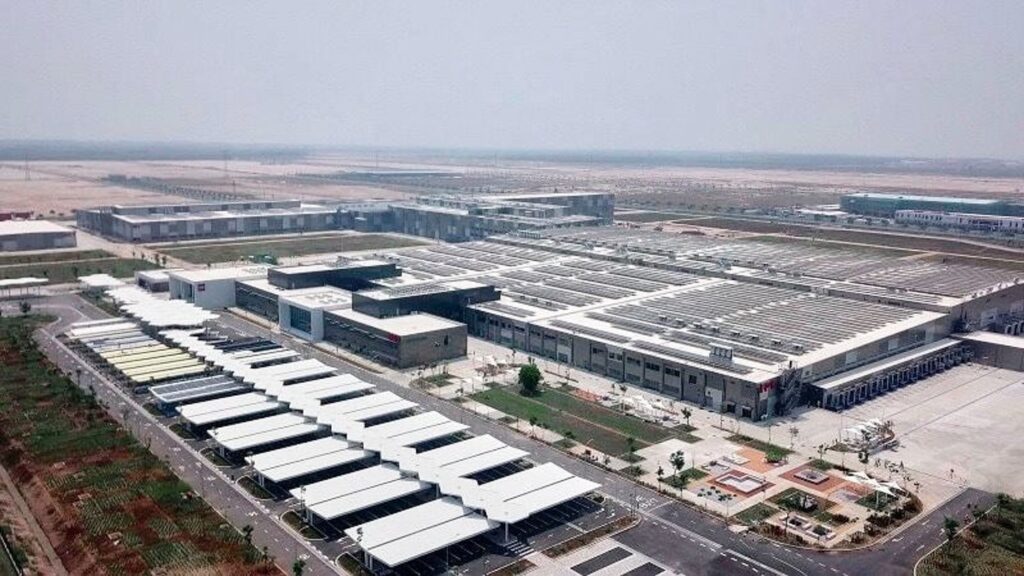
LEGO opened its largest global factory in Ho Chi Minh City on April 9, 2025 — a $1.3 billion facility spanning 44 hectares (62 football fields) with 150,000 m² of floor space. Designed to run on 100% renewable energy from 2027, it features 12,400 solar panels (7.34 MWp) and targets 15,000 tonnes of annual CO₂ reduction. Concurrently, LEGO launched a LEED Gold-certified Regional Distribution Center in Đồng Nai covering 10,200 m² initially, expanding to 16,360 m² and handling 150 containers weekly. The integrated complex supports logistics across Australia, New Zealand, Japan, Singapore, Malaysia, and planned markets including Indonesia and India.

Vietnam Logistics Costs Stuck at 80–90% Road Dependency
Southeast Asia Supply Chain

Vietnam Logistics Costs Stuck at 80–90% Road Dependency

Vietnam's logistics sector faces persistent bottlenecks, with road transport handling 80–90% of freight — undermining efforts to cut logistics costs to 14% of GDP by 2030–2035. At a September 16 forum, experts highlighted fragmented planning, poor multimodal integration, and weak last-mile connectivity. Bắc Ninh’s $130 billion export–import turnover in the first eight months of 2026 underscores logistics’ strategic role, yet its Tri Phương Dry Port handled 41,000 TEU in seven months and Gia Bình Airport is set to open in 2027. OCL Logistics’ CEO called for rail/waterway expansion and mega-hub development along expressways.

China Backs Indonesia’s BRICS Supply Chain Plan at New Delhi Summit
Southeast Asia Supply Chain

China Backs Indonesia’s BRICS Supply Chain Plan at New Delhi Summit

China has backed Indonesia’s proposal to strengthen BRICS-wide supply chain collaboration, announced by President Prabowo Subianto at the 18th BRICS Summit in New Delhi on 13 September 2025. Spokesperson Guo Jiakun affirmed China’s commitment to technological cooperation, industrial alignment, and capacity-building projects across the bloc. BRICS now comprises 11 members representing 49.5% of global population, 40% of GDP, and 26% of world trade. The summit emphasized four pillars: resilience, innovation, cooperation, and sustainability.

Welcome Back!

Login to your account below

Create New Account!

Fill the forms below to register

Retrieve your password

Please enter your username or email address to reset your password.

Scan to share via WeChat

Open WeChat and scan the QR code to share

QR Code

Add New Playlist