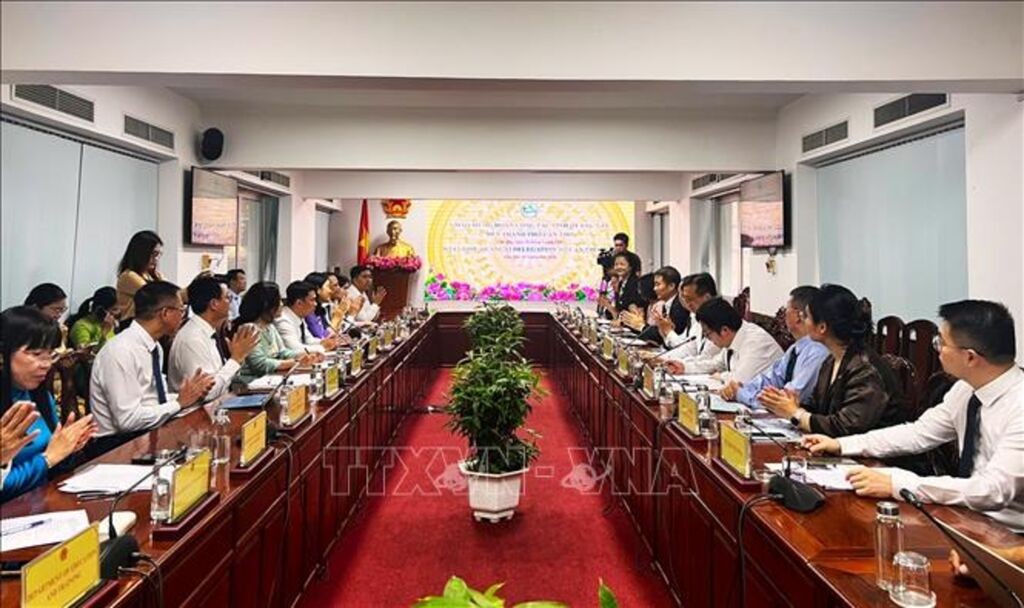
According to chinhsachcuocsong.vnanet.vn, Can Tho City (Vietnam) and Guangxi Province (China) identified logistics and supply chain integration as top-priority cooperation areas during a working session on 9/9, aiming to strengthen cross-border trade anchored by Can Tho’s agricultural exports and Guangxi’s gateway infrastructure.
Strategic Alignment and Priority Sectors
Nguyen Thi Ngoc Diep, Deputy Chairwoman of the People’s Committee of Can Tho City, emphasized that although no formal bilateral cooperation agreement yet exists, the two regions share strong complementarities — especially in logistics, agro-processing, science and technology, innovation, and cross-border e-commerce. She stated:
“Can Tho hopes both sides will begin with high-complementarity fields delivering tangible benefits, with logistics and supply chain connectivity identified as one of the priorities.” — Nguyen Thi Ngoc Diep, Deputy Chairwoman of the People’s Committee of Can Tho City
Can Tho formally proposed collaboration across 10 domains: import-export; agriculture and aquaculture processing; investment; processing and supporting industries; science-technology, innovation, and artificial intelligence; high-tech agriculture; transport and infrastructure; education and training; cross-border e-commerce and trade; and tourism, culture, sports, and people-to-people diplomacy.
The city also highlighted its existing economic ties with China: 35 Chinese-funded FDI projects operate in Can Tho, with total registered capital amounting to $1.193 billion. In the first 7 months of 2026, Can Tho’s exports to China reached $77.5 million, while imports from China totaled $64.7 million.
Logistics Infrastructure and Value Chain Integration
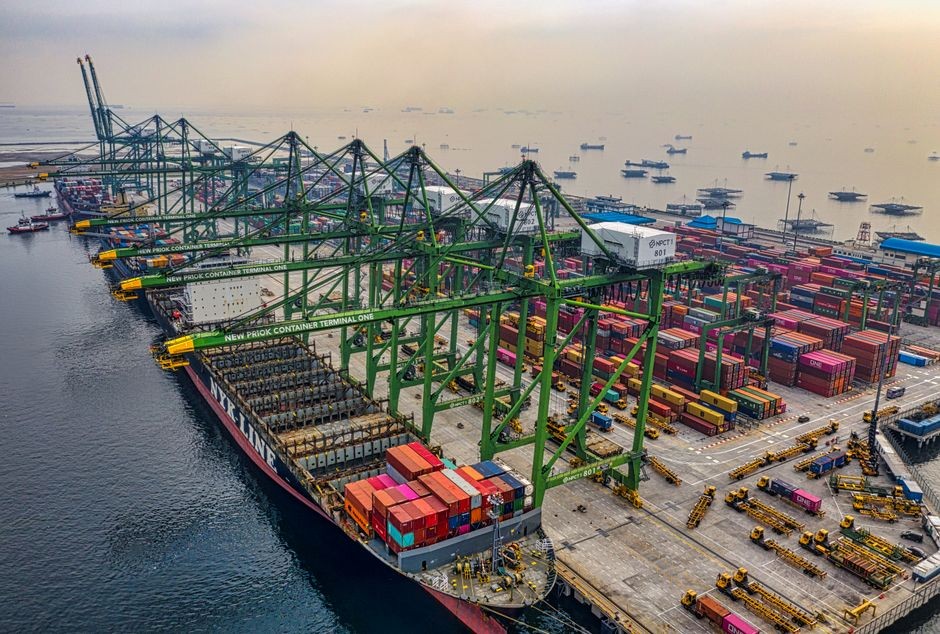
Building on this foundation, Can Tho seeks to establish direct logistics linkages with Guangxi — including port-enterprise coordination, dedicated transport routes, cold-chain facilities, distribution centers, and end-to-end logistics networks designed specifically to move Mekong Delta rice, seafood, fruits, and processed agricultural goods into the Chinese market.
Zhou Tong, head of the Guangxi delegation, affirmed shared potential in AI, biotechnology, smart agriculture, traceability systems, automation in processing, and intelligent logistics. He stressed:
“Science and technology, innovation, and artificial intelligence are fields with high cooperative potential, aligned with development trends and capable of delivering tangible benefits for both sides.” — Zhou Tong, Head of the Guangxi Delegation
Guangxi proposed joint expert exchanges, technology transfer, and co-research on AI applications, intelligent logistics, and automated agro-processing. It also urged university-to-university partnerships, faculty and student mobility, scholarships, and targeted training in Chinese language, international trade, cross-border e-commerce, and supply chain management.
Joint Implementation Framework
Both sides agreed to foster enterprise matchmaking, harmonize quality standards and phytosanitary requirements, implement traceability protocols, and encourage long-term purchase contracts and upstream investments — such as raw material zones, cold storage, and processing plants — to build stable, sustainable value chains from production through distribution and final consumption.
Can Tho affirmed its commitment to streamlining administrative procedures, optimizing investment mechanisms, and improving the business environment to ensure rapid, effective implementation of Guangxi-linked projects. The city called for establishing regular dialogue mechanisms, systematic enterprise connections, practical field surveys, and phased prioritization of pilot sectors — all guided by the principle of mutual interest, shared participation, co-created value, and shared benefit.
Source: chinhsachcuocsong.vnanet.vn
Compiled from international media by the SCI.AI editorial team.