

According to vietnam.vn, Thanh Hoa Province in Vietnam currently hosts 333 export-oriented enterprises shipping goods to 68 countries and territories, with key export categories including textiles and garments, stone cladding, cement, automobile tires, and petrochemical products.
Current Logistics Constraints
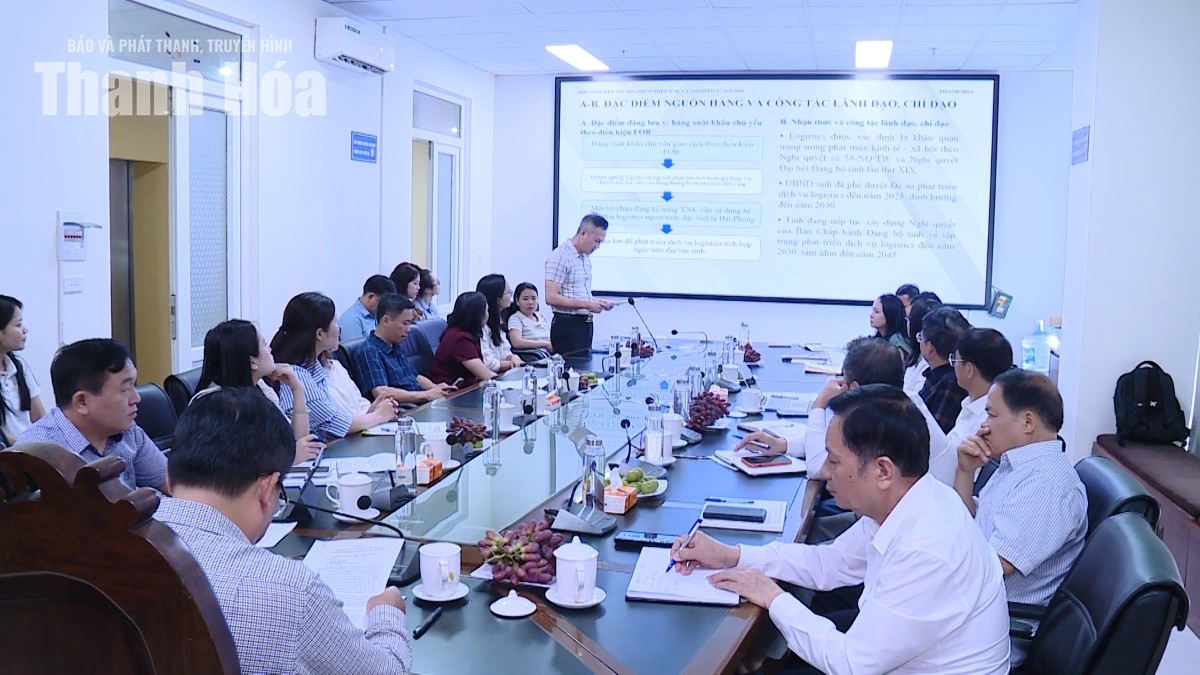
Most export shipments from Thanh Hoa still operate under FOB (Free On Board) terms, limiting local logistics firms to domestic road transport only. As a result, a substantial volume of import-export cargo continues to rely on external logistics ecosystems — particularly those in Hai Phong. This reliance underscores both an existing gap and significant untapped potential for integrated logistics services within the province itself.
The provincial logistics sector remains underdeveloped: service capacity is limited; most local firms are medium- or small-scale; value-added integrated services are scarce; no regional-level logistics center or inland container depot (ICD) has been established; and existing warehousing infrastructure serves mainly internal needs, with low automation levels and suboptimal storage-condition management.
Coordination between Thanh Hoa’s logistics providers and large foreign-invested enterprises (FDIs) or major import-export conglomerates remains weak. Many large shippers maintain fixed supply chains with out-of-province partners and are not yet prepared to shift operations to Thanh Hoa.
Strategic Policy Framework
The Provincial People’s Committee has approved a Logistics Services Development Plan to 2025, with orientation to 2030. The provincial Party Committee is now drafting a dedicated resolution on logistics development targeting 2030, with a vision extending to 2045. These frameworks include targeted incentives to support maritime transport and containerized cargo through Nghi Son Port, as well as policies to attract multinational shipping lines and global logistics groups.
According to Nguyễn Tiến Hiệu, Director of the Department of Industry and Trade, logistics has been formally designated a strategic pillar for socio-economic development under Nghị quyết số 58-NQ/TW of the Politburo and the 19th Provincial Party Congress Resolution.
The Department aims to institutionalize regular, substantive dialogue among stakeholders, co-develop tailored service models, enhance competitiveness, retain existing cargo volumes, and generate new freight flows — ultimately positioning Thanh Hoa as a national logistics hub.
Source: vietnam.vn
Compiled from international media by the SCI.AI editorial team.


