Skip to content

Coverage desk

Middle East Supply Chain

71 published stories

Indonesia Pushes 3,300-Ton Rice into Hajj Supply Chain
Middle East Supply Chain

Indonesia Pushes 3,300-Ton Rice into Hajj Supply Chain

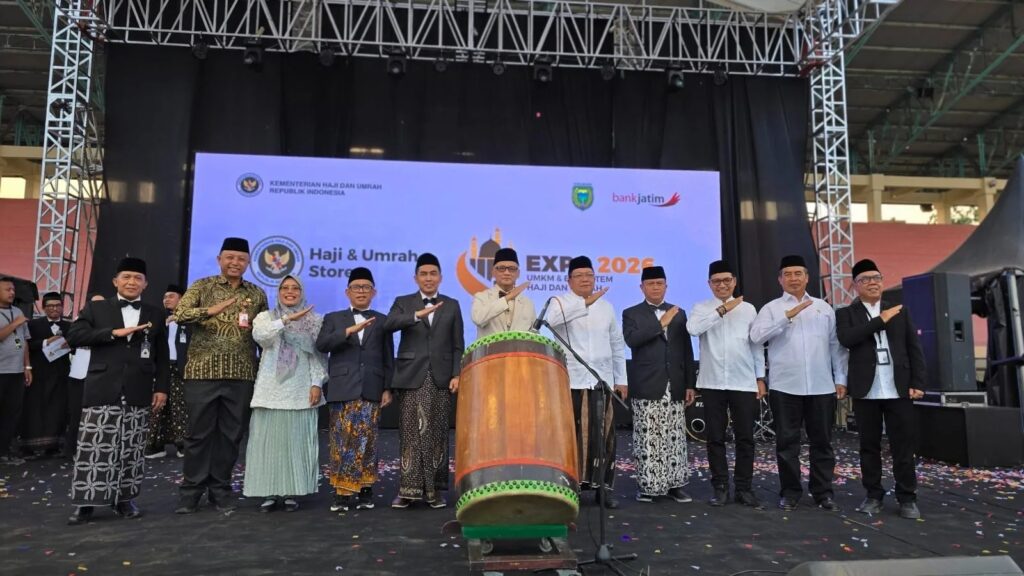
Indonesia’s Minister of Hajj and Umrah Mochamad Irfan Yusuf launched the Haji and Umrah Store platform in Madiun on 25/9 to embed domestic products—including 3.300 ton of rice prepared for Hajj 2026—into Saudi Arabia’s Hajj supply chain. The effort aligns with the Tri Sukses Haji framework, prioritizing ritual, economic, and service success. Geopolitical disruptions hindered logistics for the 2026 deployment, underscoring systemic challenges in standards compliance, cost efficiency, and supply chain resilience. The expo also marked the Kick Off Manasik Haji Akbar Nasional 2026, supporting preparations for Hajj 1448 H/2027 M.

Saudi East-West Pipeline Shuts After Drone Attack, Moves 4M–5M bpd
Middle East Supply Chain

Saudi East-West Pipeline Shuts After Drone Attack, Moves 4M–5M bpd

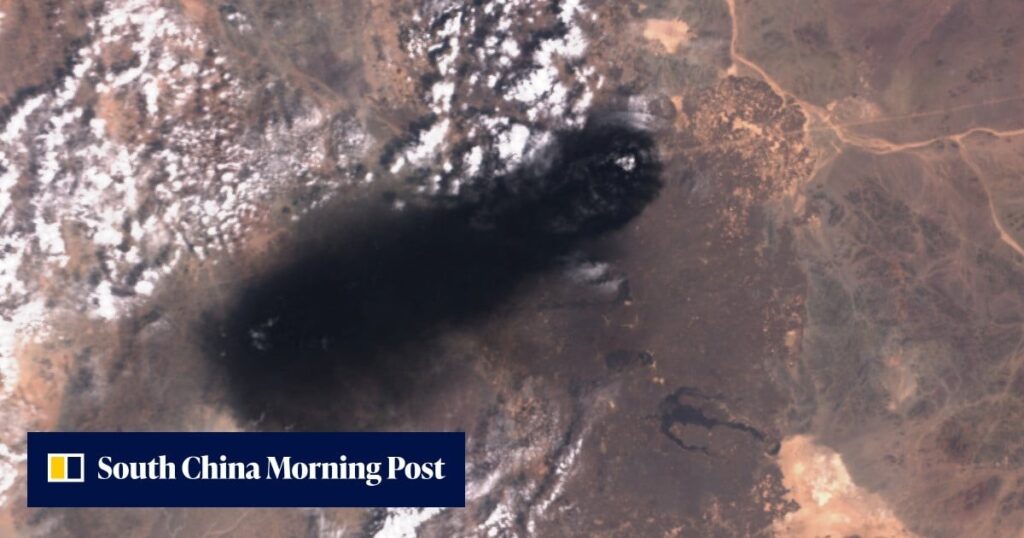
Saudi Arabia has shut down its East-West pipeline after a drone attack originating in Iraq, according to www.scmp.com. The 1,200km conduit, which moved 4 million to 5 million barrels per day — 4 to 5% of global oil supply — was closed as a precaution. The incident worsens energy supply constraints already strained by Houthi activity in the Red Sea and shipping slowdowns in the Strait of Hormuz. Oil prices have risen above US$100 per barrel. US President Donald Trump stated Iran was likely responsible for the attack.

Boring Co. raises $3B, hits $23B valuation with UAE deal
Middle East Supply Chain

Boring Co. raises $3B, hits $23B valuation with UAE deal

The Boring Company has reached a $23 billion valuation after raising $3 billion in a financing round led by the United Arab Emirates. The funds will support construction of over 150 kilometers of tunnels in the Middle East, including the Dubai Loop. The company also advanced its Nashville Loop — a 20-mile project — while facing setbacks in Los Angeles (abandoned in 2018), Chicago, and Washington, D.C. It earned $1 million from Tesla in 2025 for a 'Cybertunnel' at the Austin Gigafactory and continues operating its sole public system in Las Vegas.

Saudi Logistics Rents Rise Up to 6.9% Amid Port Diversification
Middle East Supply Chain

Saudi Logistics Rents Rise Up to 6.9% Amid Port Diversification

Saudi Arabia’s logistics sector is gaining momentum amid supply chain rerouting and Vision 2030–driven industrial expansion. Industrial establishments rose to 13,660 in April 2026 from 12,289 a year earlier. Occupancy in Riyadh, Jeddah, and the Dammam Metropolitan Area exceeded 90% in Q2 2026. Rental rates surged by 6.9% in the DMA, 4.8% in Jeddah, and 3.9% in Riyadh. The launch of MSC’s Middle East Express service strengthens direct Europe–Red Sea connectivity via Jeddah Islamic Port and King Abdullah Port.

UAE invests $1.2B to rewire logistics around Strait of Hormuz
Middle East Supply Chain

UAE invests $1.2B to rewire logistics around Strait of Hormuz

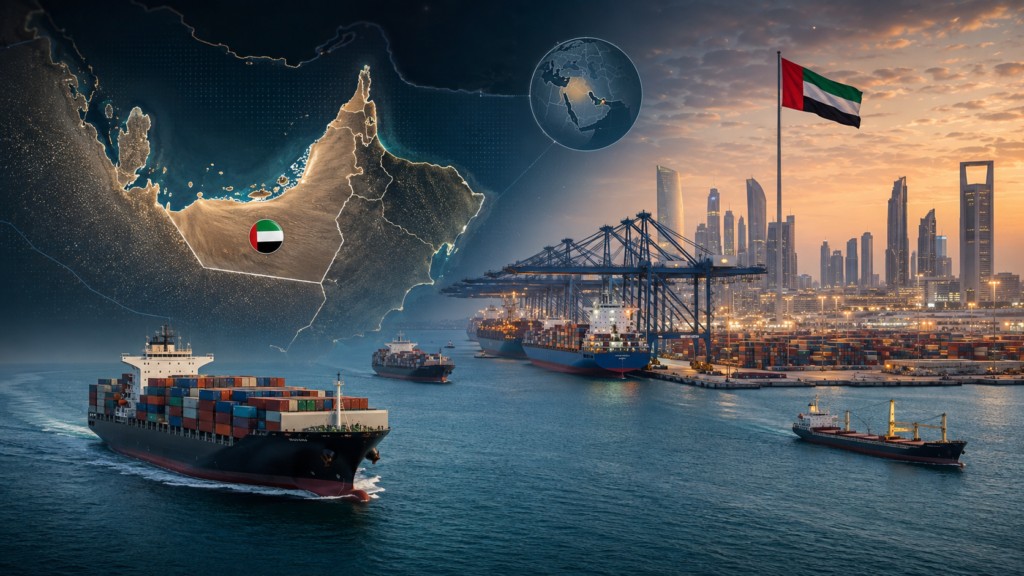
The UAE has committed $1.2 billion to strengthen logistics infrastructure around the Strait of Hormuz, targeting Khalifa Port, Jebel Ali Port, and Fujairah Port. Investments include berth deepening, automated cranes, 14 new warehousing zones (2.8M sqm), and the Etihad Rail Phase 2 line completion by mid-2025. Vessel calls at Fujairah rose 37% in Q1 2024, and customs clearance time dropped from 72 to under 4.5 hours. The move responds to Red Sea disruptions and aims to reduce Asia–Europe transit times by 11–14 days. This $1.2B initiative surpasses Saudi Arabia’s $890M and Oman’s $1.1B recent commitments in the region.

Iran pushes alternative transport corridors to boost supply chain resilience
Middle East Supply Chain

Iran pushes alternative transport corridors to boost supply chain resilience

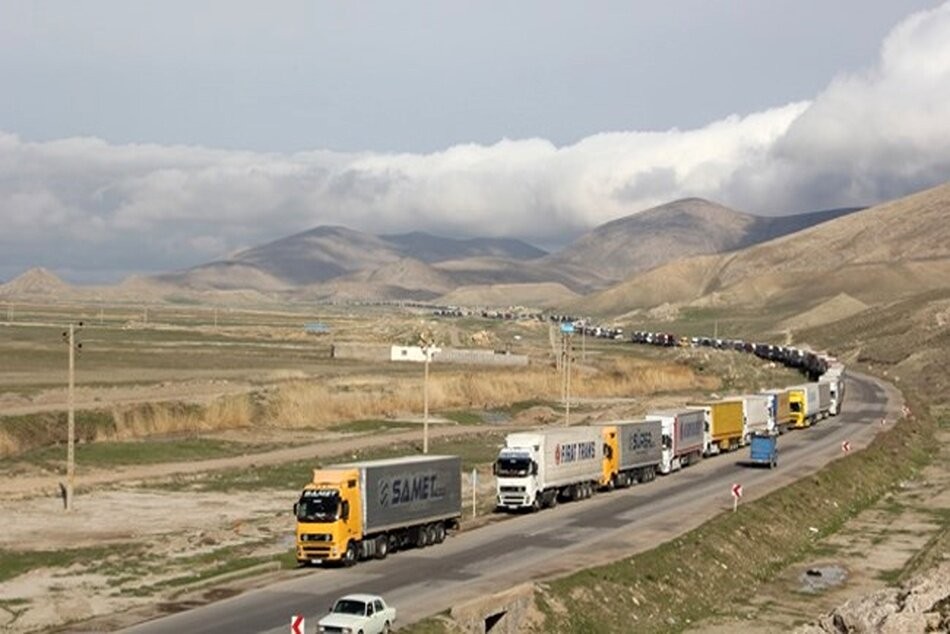
Iran is accelerating development of alternative land transport corridors to bolster supply chain resilience amid geopolitical volatility and maritime vulnerabilities. Seyed Ali Emami, Director General of the Readiness and Support Office at Iran’s Trade Promotion Organization, stated that ensuring uninterrupted goods movement — not just market competitiveness — is now the core trade priority. With maritime routes dominating global cargo but facing growing risks at chokepoints like the Strait of Hormuz and Red Sea, Iran is piloting new land corridors as of August 2026. While exports show strong growth, transit volumes have declined — prompting infrastructure upgrades, cost-reduction measures, and policy reforms targeted for completion in 2026.

DP World launches 15,250-sq-m multi-client warehouse in Riyadh
Middle East Supply Chain

DP World launches 15,250-sq-m multi-client warehouse in Riyadh

DP World has opened its first multi-client 3PL warehouse in Saudi Arabia — a 15,250-square-metre facility in Riyadh’s Al Mashael Logistics Hub offering over 17,000 pallet positions. The non-bonded warehouse supports consumer goods, automotive, retail, industrial, and technology sectors, and integrates with DP World’s broader Saudi network, including the $250 million Jeddah Logistics Park. Launched on 30 July 2026, the project advances Vision 2030’s logistics goals amid rising demand from e-commerce and manufacturing. It follows strong regional growth, exemplified by stc Group’s SAR 40.1 billion H1 2026 revenue and 30.3 million mobile subscribers.

Hormuz Ship Backlog Spurs Bioinvasion Risk Alert
Middle East Supply Chain

Hormuz Ship Backlog Spurs Bioinvasion Risk Alert

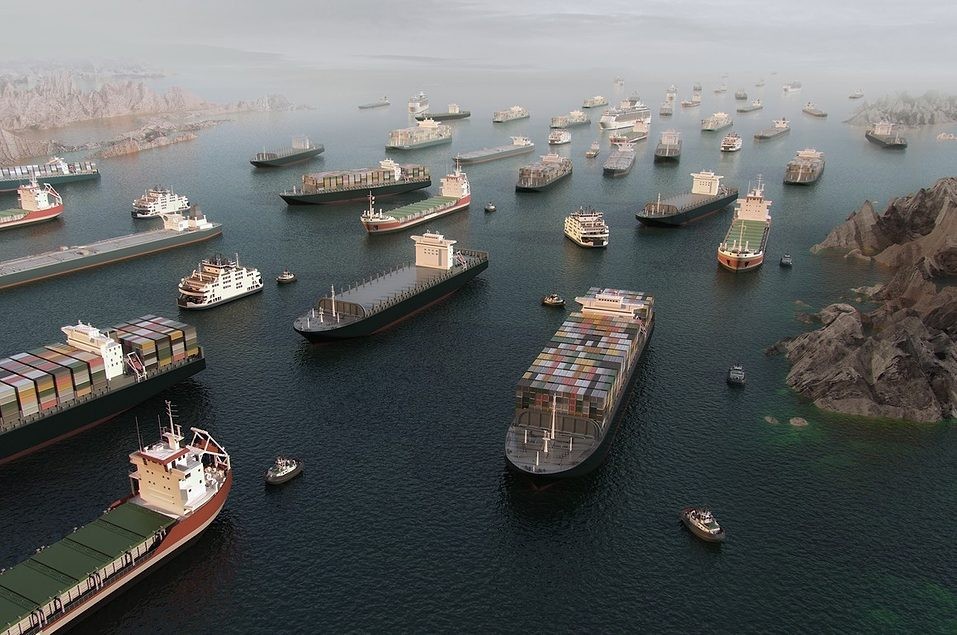
Scientists warn that over 1,500 ships stranded in the Strait of Hormuz since late February 2026 have accumulated dangerous levels of marine biofouling — including algae, mussels, and barnacles — raising high risks of global 'bioinvasion.' With vessels idle for at least 40 times longer than typical port stays, invasive species may spread to ports worldwide upon departure. A July 22, 2026 report urges mandatory hull inspections and cleaning before resuming voyages, and calls for coordinated early detection at receiving ports. The Strait of Hormuz, handling ~20% of global oil shipments, is now an ecological flashpoint with cascading supply chain and regulatory implications.

Saudi-U.S. Nuclear Deal Spurs $34B Supply Chain Race
Middle East Supply Chain

Saudi-U.S. Nuclear Deal Spurs $34B Supply Chain Race

The U.S.-Saudi nuclear agreement signed on 22 July 2026 has triggered a regional contest for dominance over the nuclear supply chain—valued at tens of billions. With Urenco reporting €2.096 billion in 2025 revenue and Orano holding a €34.2 billion order book, five national models (U.S., Russia, China, France, South Korea) compete for Saudi contracts. The Barakah plant in the UAE—supplying 25% of the country’s electricity—demonstrates how localization can occur without enrichment, while Iran’s mature fuel-cycle capabilities pose a strategic counterweight. Congressional review, enrichment rights, and Gulf diplomacy remain pivotal.

DP World inks 50-year Fujairah port concession, adds 4.1M tonnes capacity
Middle East Supply Chain

DP World inks 50-year Fujairah port concession, adds 4.1M tonnes capacity

DP World has secured a 50-year concession with Fujairah Ports Authority to develop two new terminals — Al Rugaylat and Dibba — on the UAE’s east coast. The project adds 2.5 million TEU and 4.1 million tonnes of annual cargo capacity, raising DP World’s UAE container handling total from 19.4 million to nearly 22 million TEU. Designed for Ultra Large Container Vessels, the deep-water gateway enhances regional connectivity and trade resilience. Announced on 23rd July 2026, the deal reflects long-term confidence in the UAE’s logistics leadership.

71% of Firms Prioritize Cost-Risk Balance, Yet Only 45% Are Disruption-Ready
Middle East Supply Chain

71% of Firms Prioritize Cost-Risk Balance, Yet Only 45% Are Disruption-Ready

A joint survey by the Institute for Supply Management (ISM) and Amazon Business of 425 global supply chain professionals finds that while 71% now prioritize balancing cost and risk in procurement strategy, only 45% feel prepared for disruptions. Sixty-five percent still rely on manual reporting, and advanced risk tools remain underused: 49% employ risk matrices, and 46% conduct scenario planning. The report advocates a risk-adjusted operating model built on total cost of ownership, supply diversification, network visibility, faster decisions, and expanded scenario planning — all critical for professionals navigating ongoing geopolitical, economic, and operational volatility.

75% of Procurement Pros Cite Middle East Conflict as Top Supply Chain Risk
Middle East Supply Chain

75% of Procurement Pros Cite Middle East Conflict as Top Supply Chain Risk

Global supply chain concerns remain near record highs in Q2 2026, with 75% of procurement professionals citing Middle East conflict as their top risk—surpassing broader geopolitical uncertainty (67%) and Ukraine-related disruptions (33%). Cybersecurity has risen to among the top three expected risks over the next 12 months, while shipping and logistics face input cost increases exceeding 10%. One-third of organizations report direct impacts from evolving US tariff policy, and 37% are actively monitoring trade policy developments. Resilience strategies—including supplier diversification and extended contracts—are now central to procurement strategy, especially in southern Africa.

Welcome Back!

Login to your account below

Create New Account!

Fill the forms below to register

Retrieve your password

Please enter your username or email address to reset your password.

Add New Playlist