According to www.tehrantimes.com, Seyed Ali Emami, Director General of the Readiness and Support Office of the Trade Promotion Organization of Iran, stated that ensuring goods movement under any circumstances has become a top priority for global trade — a shift driven by geopolitical developments and crises including the coronavirus pandemic and international wars.
Strategic Shift in Global Trade Priorities
Emami emphasized that the traditional focus on enhancing competitiveness and market presence has been overtaken by the imperative of continuity. As he explained:
“In the past, the main focus of countries was on increasing competitiveness and enhancing the ability of goods to be present in international markets. However, the occurrence of crises such as the coronavirus pandemic and international wars has changed the priorities and approaches of global trade.” — Seyed Ali Emami, Director General of the Readiness and Support Office, Trade Promotion Organization of Iran
This recalibration reflects broader industry trends: major economies and logistics actors — including the EU’s Trans-Caspian International Transport Route (TITR) initiative and China’s Belt and Road infrastructure investments — have accelerated corridor diversification since 2020. According to Emami, “ensuring the movement of goods and cargo under any circumstances—in other words, sustainable transfer to the destination market—has become a priority.” That principle now underpins national planning across multiple transit-dependent nations.
Maritime Dominance and Land Corridor Gaps
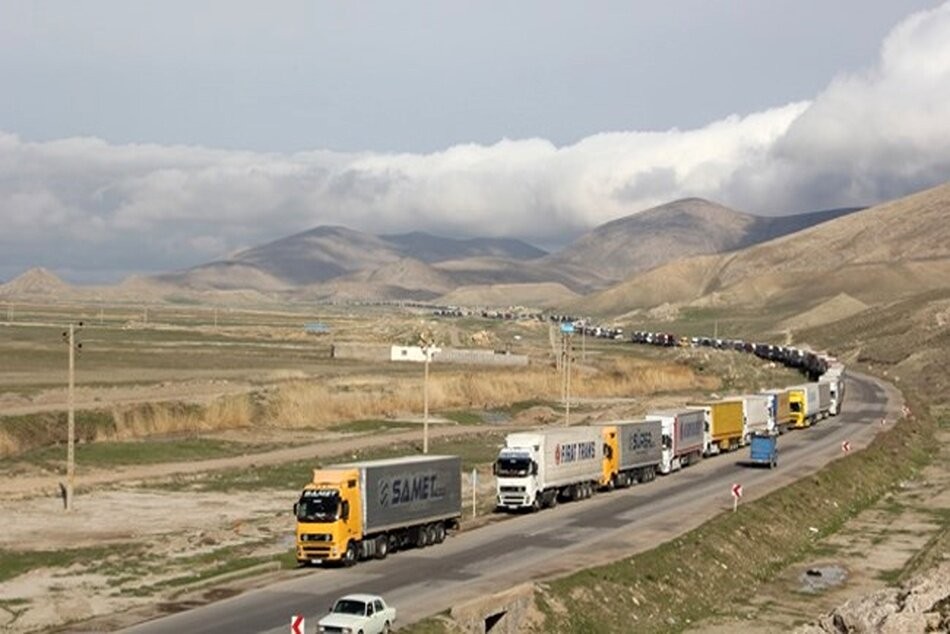
While maritime transport handles the overwhelming majority of global cargo volume, Emami noted that land and road routes currently account for a significantly smaller share. He stressed that this imbalance poses systemic risk:
“A significant portion of cargo transfer in international trade is done via sea, and land and road routes account for a smaller share. However, recent developments have shown that the development of alternative routes and strengthening transport corridors can play an important role in increasing supply chain resilience and trade sustainability.” — Seyed Ali Emami
The vulnerability of maritime chokepoints — notably the Strait of Hormuz, the Suez Canal, and the Red Sea — has intensified scrutiny of overland alternatives. Emami confirmed Iran is actively testing multiple routes, with pilot operations underway as of August 2026. These efforts aim to create operational redundancy: if one corridor faces disruption — whether from conflict, sanctions, or climate-related port closures — goods must still reach markets on time via parallel land networks.
Infrastructure Investment and Export Performance
Emami identified three interdependent pillars for resilience: transport infrastructure development, route diversification, and corridor strengthening. He underscored the need to reduce road transport costs and introduce targeted incentives — such as customs facilitation, harmonized documentation, and cross-border digital tracking — to increase adoption of alternative land corridors.
On performance, Emami reported that Iran’s exports in key sectors have experienced significant growth, though transit and goods outflow volumes have declined — a trend requiring urgent policy intervention. The Trade Promotion Organization of Iran is now conducting root-cause analysis on bottlenecks affecting transit efficiency, with findings expected to inform regulatory reforms before the end of 2026. This dual focus — expanding export capacity while reviving transit flows — aligns with regional peers like Kazakhstan and Azerbaijan, where multimodal hub investments rose by 27% year-on-year in Q2 2026, per UNCTAD data.
Source: tehrantimes.com
Compiled from international media by the SCI.AI editorial team.