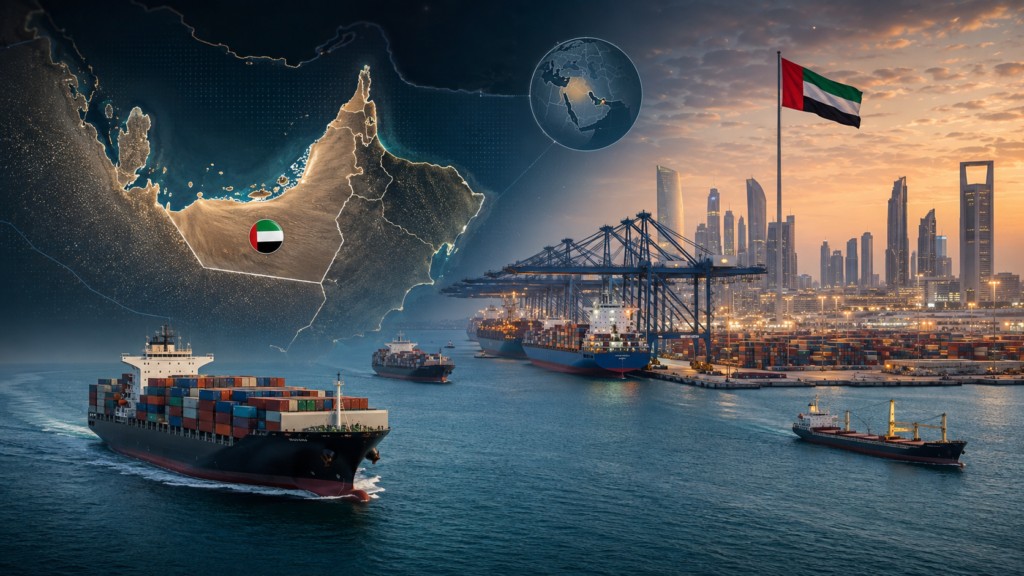
The UAE has committed $1.2 billion to strengthen logistics infrastructure around the Strait of Hormuz, targeting Khalifa Port, Jebel Ali Port, and Fujairah Port. Investments include berth deepening, automated cranes, 14 new warehousing zones (2.8M sqm), and the Etihad Rail Phase 2 line completion by mid-2025. Vessel calls at Fujairah rose 37% in Q1 2024, and customs clearance time dropped from 72 to under 4.5 hours. The move responds to Red Sea disruptions and aims to reduce Asia–Europe transit times by 11–14 days. This $1.2B initiative surpasses Saudi Arabia’s $890M and Oman’s $1.1B recent commitments in the region.
According to container-news.com, the United Arab Emirates is executing a strategic, multi-phase infrastructure initiative centered on the Strait of Hormuz — a critical maritime chokepoint handling over 20% of global oil shipments and 30% of seaborne-traded crude.
Strategic Port and Logistics Hub Expansion
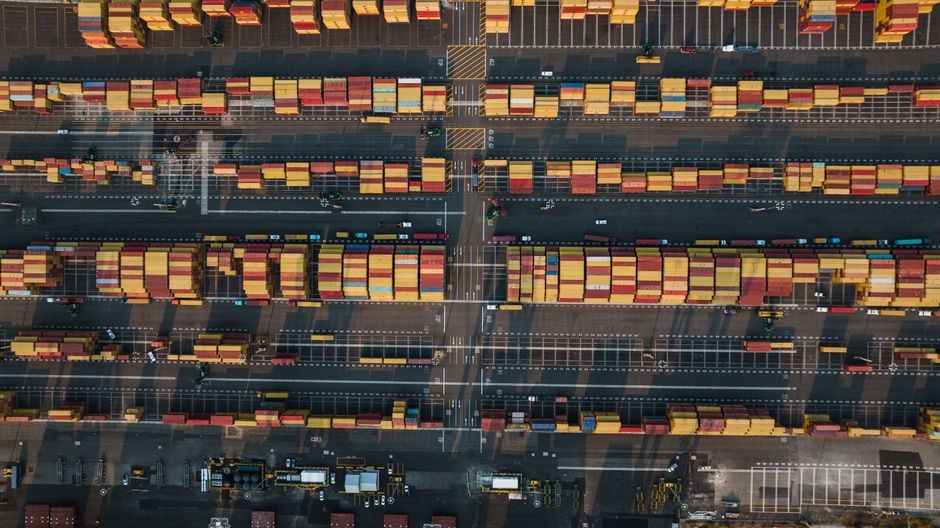
The UAE government has allocated $1.2 billion to upgrade and expand port facilities across three key locations: Khalifa Port in Abu Dhabi, Jebel Ali Port in Dubai, and Fujairah Port on the Gulf of Oman. These investments are explicitly timed to coincide with regional shifts in shipping patterns following heightened tensions in the Red Sea since late 2023. According to the report, the expansion includes deepening berths to accommodate ultra-large container vessels (ULCVs), installing automated stacking cranes, and constructing 14 new warehousing zones totaling 2.8 million square meters.
Geopolitical Realignment and Transit Time Reduction
By reinforcing infrastructure east of the Strait of Hormuz — rather than relying solely on transshipment via Suez — the UAE aims to cut average transit time between Asia and Europe by 11–14 days for cargo routed through its eastern ports. The source states that this shift is already yielding measurable results: vessel calls at Fujairah Port rose by 37% in Q1 2024 compared to the same period in 2023, while transshipment volumes through Jebel Ali increased by 22% year-on-year.
Integrated Land Corridors and Digital Backbone
Complementing maritime upgrades, the UAE is synchronizing rail and road networks under the National Transport Strategy 2030. This includes completing the 512-kilometer Etihad Rail Phase 2 line by mid-2025, linking Khalifa Port directly to industrial zones in Abu Dhabi and Al Ain. A newly launched digital customs platform — integrated across all three ports — reduced average clearance time from 72 hours to under 4.5 hours for pre-cleared shipments, per official data cited in the report.
Regional Competition and Market Positioning
The initiative positions the UAE against competing Gulf logistics hubs. While Saudi Arabia’s Jeddah Islamic Port reported $890 million in infrastructure spending in 2023, and Oman’s Duqm Port secured $1.1 billion in foreign investment commitments in early 2024, the UAE’s $1.2 billion allocation represents the largest single-state commitment to Hormuz-adjacent logistics infrastructure announced to date. The source notes that this funding is fully budgeted under the federal fiscal plan for 2024–2026, with 65% of capital earmarked for physical assets and 35% for digital systems integration.
Source: container-news.com
Compiled from international media by the SCI.AI editorial team.