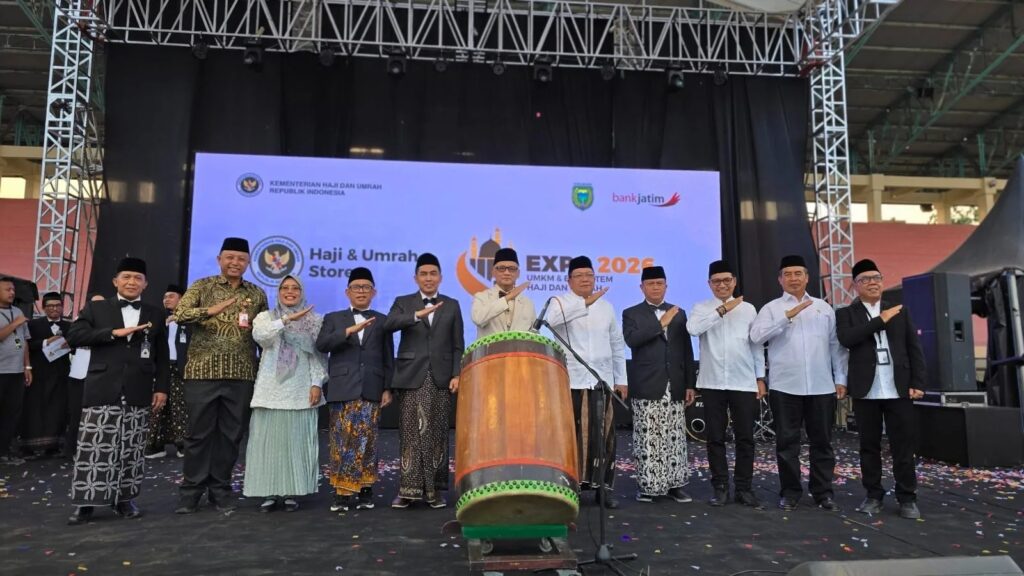
Indonesia’s Ministry of Hajj and Umrah (Kemenhaj) and Gowa Regency officials launched the Sulsel Expo UMKM and Hajj and Umrah Ecosystem 2026 on 16 October 2026 in Gowa, South Sulawesi. Featuring 200 fully booked booths, the three-day event targets integration of local UMKMs into the hajj supply chain — prioritizing spices, ready-to-eat foods, rice, and daily consumables. Plt Bupati Gowa Darmawangsyah Muin urged quality upgrades and digitalization, while Dirjen Prof Jaenal Effendi stressed reducing pilgrim reliance on Saudi-sourced souvenirs. The expo expects 25,000 attendees and includes manasik simulations, health services, and social aid.
According to infokini.id, the Sulsel Expo UMKM and Hajj and Umrah Ecosystem 2026 opened on Friday, 16 October 2026 at Taman Sultan Hasanuddin in Gowa Regency, South Sulawesi, aiming to integrate local micro, small, and medium enterprises into the Indonesian hajj and umrah supply chain.
Strategic Push for Local Product Integration
Plt Bupati Gowa Darmawangsyah Muin emphasized that South Sulawesi’s UMKMs must elevate quality standards, packaging, and digital capabilities to enter the hajj logistics ecosystem. He stressed that regional products should not remain confined to local markets but must compete nationally and internationally. The expo is scheduled to run through 18 October 2026, underscoring its time-bound strategic focus.
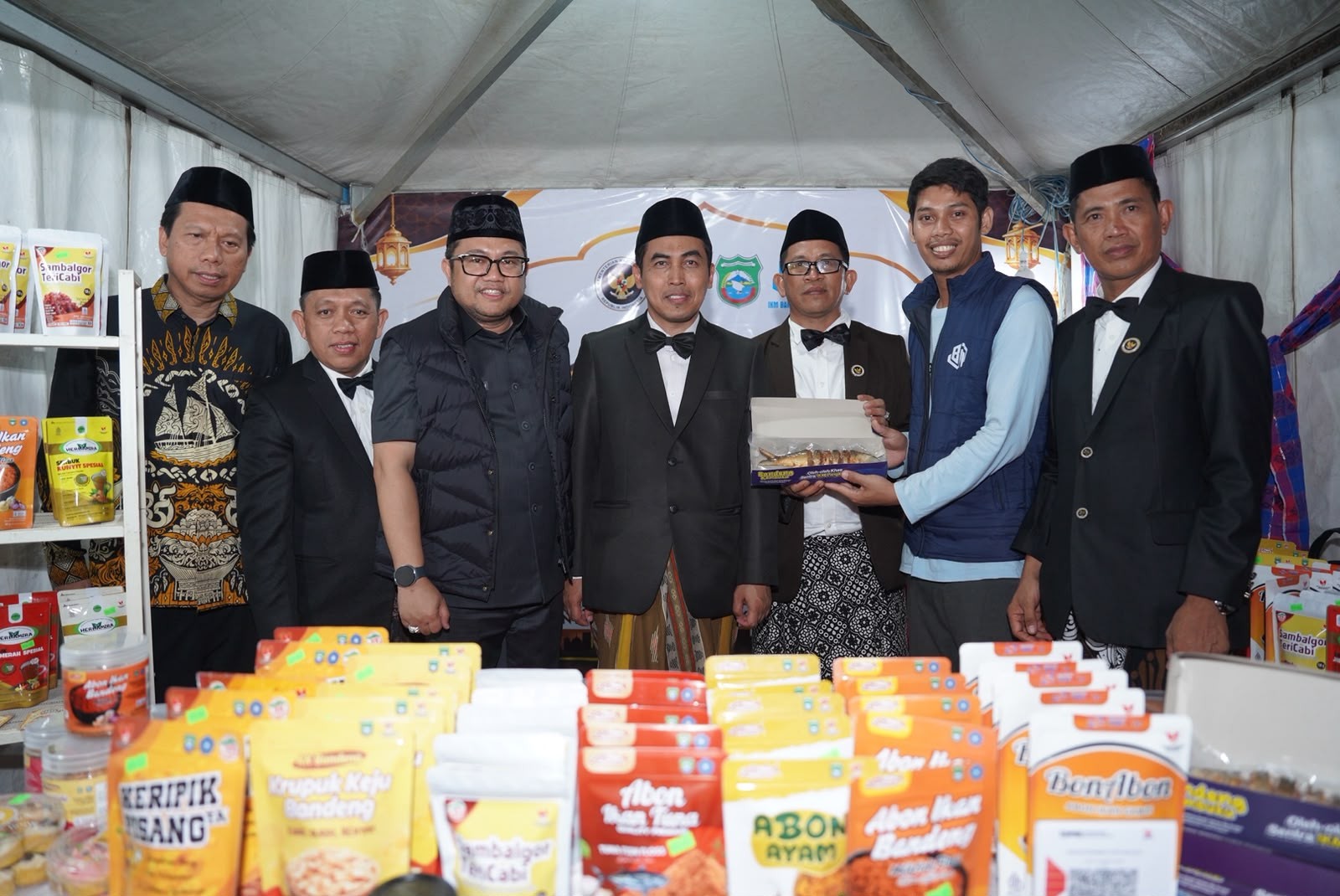
The event features approximately 200 booths, covering sectors including Muslim apparel, culinary products, travel agencies, and banking institutions — a concrete indicator of broad-based local entrepreneurial engagement. Darmawangsyah also welcomed Gowa Regency’s designation as host, calling it a recognition of its logistical and administrative readiness.
“We want regional flagship products to be known beyond their immediate surroundings and become integral components of the hajj and umrah economic ecosystem,” said Darmawangsyah Muin, Plt Bupati Gowa, during the opening ceremony.
Federal Support and Market Priorities
Prof Jaenal Effendi, Director General of Hajj and Umrah Economic Ecosystem Development at Indonesia’s Ministry of Hajj and Umrah (Kemenhaj), confirmed the ministry is actively identifying high-potential UMKM products from South Sulawesi for introduction to strategic partners. He highlighted the government’s objective to reduce reliance on foreign goods for hajj-related purchases in Saudi Arabia.
“We want Indonesian hajj pilgrims’ souvenir spending not to occur entirely in Saudi Arabia. Products from South Sulawesi and other Indonesian regions must become top choices for pilgrims,” stated Prof Jaenal Effendi.
The ministry specifically targets staple consumption items: regional spice blends, ready-to-eat foods, rice, and daily consumables — all critical for pilgrim welfare and cultural familiarity during the hajj period.
Event Scale and Community Engagement
Ikbal Ismail, Head of the South Sulawesi Regional Office of Kemenhaj and Chair of the Organizing Committee, confirmed that all 200 exhibition booths were fully booked. The expo is projected to draw up to 25,000 visitors, including hajj pilgrims and the general public.
Beyond commerce, the event integrates community services: hajj ritual simulation (manasik), free health screenings, blood donation drives, the Sa’i Walk and Run sports activity, large-scale religious lectures, and social assistance distribution to orphans and underprivileged communities — reinforcing its dual role as economic catalyst and public service platform.
Source: infokini.id
Compiled from international media by the SCI.AI editorial team.