Skip to content

Middle East Supply Chain

Analysis

UAE Logistics Reroutes 90% of Jebel Ali Cargo Amid Red Sea Crisis

Jebel Ali’s container volumes have plummeted by 90% as cargo reroutes via Jeddah Islamic Port and King Abdullah Port, then moves overland into the UAE and Oman. Vessel diversions add 10–14 days and push Shanghai–Jebel Ali freight rates from under $2,000 to over $8,000. DP World’s 50-year Fujairah concession will lift UAE capacity from 19.4 million to nearly 22 million TEUs. Hafeet Rail, 40% complete in April, spans 238km and moves 15,000 tonnes per train. The AED1bn National Industrial Resilience Fund aims to localise 5,000 critical products, while the UAE’s CEPA network now includes 37 agreements — 18 in force as of early 2025.

Original source: logisticsmiddleeast.com

UAE Logistics Reroutes 90% of Jebel Ali Cargo Amid Red Sea Crisis

Ask SCI.AI about this story

📋 本文要点

Jebel Ali’s container volumes have plummeted by 90% as cargo reroutes via Jeddah Islamic Port and King Abdullah Port, then moves overland into the UAE and Oman. Vessel diversions add 10–14 days and push Shanghai–Jebel Ali freight rates from under $2,000 to over $8,000. DP World’s 50-year Fujairah concession will lift UAE capacity from 19.4 million to nearly 22 million TEUs. Hafeet Rail, 40% complete in April, spans 238km and moves 15,000 tonnes per train. The AED1bn National Industrial Resilience Fund aims to localise 5,000 critical products, while the UAE’s CEPA network now includes 37 agreements — 18 in force as of early 2025.

According to www.logisticsmiddleeast.com, Jebel Ali’s container volumes have fallen 90% as cargo shifts to alternative UAE ports, rail corridors, and overland routes — reshaping logistics costs, warehousing demand, and infrastructure investment across the region.

Rerouting Through Red Sea Gateways

Major carriers including Maersk, MSC, and Hapag-Lloyd suspended direct Gulf services, prompting widespread rerouting through Red Sea gateways. Jeddah Islamic Port and King Abdullah Port now serve as primary entry points before overland movement into the UAE and Oman. Vessels diverting around the Cape of Good Hope added 10 to 14 days to standard voyages, with Freightos data from the first two months of the conflict showing Shanghai-to-Jebel Ali container rates quadrupling — from under $2,000 to above $8,000.

Port Expansion and Overland Costs

In July, DP World reached an agreement in principle with the Fujairah Ports Authority for a 50-year concession covering the Al Rugaylat and Dibba terminals. This deal would increase DP World’s UAE capacity from 19.4 million TEUs to nearly 22 million TEUs. However, the shift carries steep operational penalties: trucks at east coast ports queue up to 12 hours, compared with a 27-minute turnaround at Jebel Ali. A DP World official stated the overland leg costs roughly four to five times more than sailing directly through Hormuz to Jebel Ali.

Rail and Industrial Resilience Initiatives

A new direct service between Fujairah and Abu Dhabi Industrial City launched this month, operating three times weekly. Meanwhile, the Hafeet Rail project — a UAE–Oman initiative — passed 40% completion in April. The 238km line is designed to move over 15,000 tonnes per train directly between terminals and UAE free zones. Separately, the AED1bn National Industrial Resilience Fund, approved in April, targets localisation of more than 5,000 critical products in food, pharmaceuticals, and technology. The UAE’s Comprehensive Economic Partnership Agreement (CEPA) network has grown to 37 agreements, with 18 in force — up from just 6 in early 2025.

Strategic Implications of Bab al-Mandab Disruption

With Bab al-Mandab under Houthi control, Gulf hubs including Jebel Ali, Khalifa Port, and Salalah, alongside Red Sea gateways like Jeddah, face mounting risk: any sustained reduction in Bab al-Mandab traffic threatens to divert calls and transshipment cargo entirely toward Mediterranean ports positioned closer to the northern end of the Cape route. Removing that chokepoint forces a full diversion around the Cape of Good Hope — adding roughly 11,000 nautical miles and 10 to 14 extra days to Asia–Europe voyages. The consequences were first documented during the Red Sea crisis beginning in late 2023.

Source: logisticsmiddleeast.com

Compiled from international media by the SCI.AI editorial team.
Ask SCI.AI Finished reading? Continue with SCI.AI. Explore the related policy, route, company and historical context. Continue asking
Stay ahead of supply chain shifts

One email a week: the stories that matter and new risk events — in English, free.

Prefer RSS? Articles Risk events

Unilever taps Iron Mountain for UAE logistics hub
Middle East Supply Chain

Unilever taps Iron Mountain for UAE logistics hub

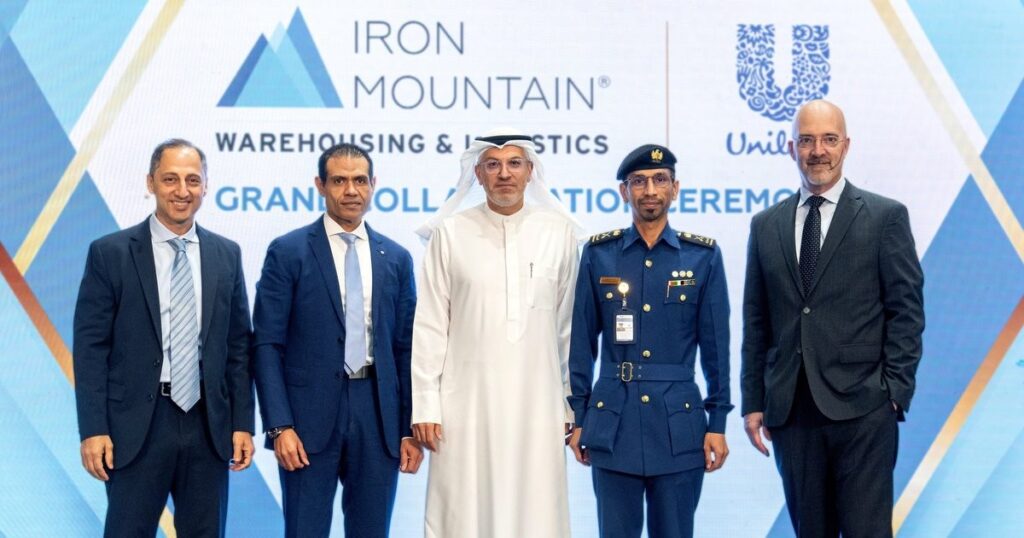
Unilever and Iron Mountain have formed a logistics partnership in the UAE, pairing a consumer goods network spanning roughly 190 countries with an information management provider operating in more than 50 countries. Unilever, headquartered in London, owns over 400 brands and says it serves 3.4 billion people daily. Iron Mountain, founded in 1951, serves 225,000 organisations with secure storage, data backup and document management. The source report does not disclose financial terms, facility locations or implementation timelines for the UAE arrangement.

GFH acquires controlling stake in UK logistics firm Roebuck
Middle East Supply Chain

GFH acquires controlling stake in UK logistics firm Roebuck

Bahrain's GFH has acquired a controlling stake in UK-based logistics company Roebuck Asset Management, with the total investment in the deal undisclosed, according to Forbes Middle East. GFH chief executive Hisham Alrayes described the acquisition as a strategic investment into a profitable platform with a proven track record and a broad institutional investor base, giving GFH a low-risk route to expanding in Europe. The source also notes a Kuwait-based commercial property investor that reported $104.5 million in operating income and $1.9 billion in total assets in 2025, and which put $15 million into the GFH GCC Logistics Fund II in July 2025.

Sulsel UMKMs Target Hajj Supply Chain with 200-Booth Expo
Middle East Supply Chain

Sulsel UMKMs Target Hajj Supply Chain with 200-Booth Expo

Indonesia’s Ministry of Hajj and Umrah (Kemenhaj) and Gowa Regency officials launched the Sulsel Expo UMKM and Hajj and Umrah Ecosystem 2026 on 16 October 2026 in Gowa, South Sulawesi. Featuring 200 fully booked booths, the three-day event targets integration of local UMKMs into the hajj supply chain — prioritizing spices, ready-to-eat foods, rice, and daily consumables. Plt Bupati Gowa Darmawangsyah Muin urged quality upgrades and digitalization, while Dirjen Prof Jaenal Effendi stressed reducing pilgrim reliance on Saudi-sourced souvenirs. The expo expects 25,000 attendees and includes manasik simulations, health services, and social aid.

Welcome Back!

Login to your account below

Create New Account!

Fill the forms below to register

Retrieve your password

Please enter your username or email address to reset your password.

Scan to share via WeChat

Open WeChat and scan the QR code to share

QR Code

Add New Playlist