Skip to content

Middle East Supply Chain

Analysis

Saudi Logistics Rents Rise Up to 6.9% Amid Port Diversification

Saudi Arabia’s logistics sector is gaining momentum amid supply chain rerouting and Vision 2030–driven industrial expansion. Industrial establishments rose to 13,660 in April 2026 from 12,289 a year earlier. Occupancy in Riyadh, Jeddah, and the Dammam Metropolitan Area exceeded 90% in Q2 2026. Rental rates surged by 6.9% in the DMA, 4.8% in Jeddah, and 3.9% in Riyadh. The launch of MSC’s Middle East Express service strengthens direct Europe–Red Sea connectivity via Jeddah Islamic Port and King Abdullah Port.

Original source: gdnonline.com

Saudi Logistics Rents Rise Up to 6.9% Amid Port Diversification
📋 本文要点

Saudi Arabia’s logistics sector is gaining momentum amid supply chain rerouting and Vision 2030–driven industrial expansion. Industrial establishments rose to 13,660 in April 2026 from 12,289 a year earlier. Occupancy in Riyadh, Jeddah, and the Dammam Metropolitan Area exceeded 90% in Q2 2026. Rental rates surged by 6.9% in the DMA, 4.8% in Jeddah, and 3.9% in Riyadh. The launch of MSC’s Middle East Express service strengthens direct Europe–Red Sea connectivity via Jeddah Islamic Port and King Abdullah Port.

According to gdnonline.com, Saudi Arabia’s industrial and logistics real estate sector is experiencing tight occupancy and rising rents across major markets, driven by supply chain rerouting, port infrastructure expansion, and Vision 2030–aligned industrial growth.

Industrial Expansion Fuels Structural Demand

The Kingdom’s industrial base expanded to 13,660 establishments in April 2026, up from 12,289 a year earlier — a gain of 1,371 facilities that reflects tangible progress toward the 2030 diversification targets. This rapid growth is generating consistent new absorption and lease renewals, tightening available space across core logistics corridors. Occupancy rates in Riyadh, Jeddah, and the Dammam Metropolitan Area (DMA) remained above 90% in Q2 2026, underscoring persistent structural imbalance between supply and demand.

Rent Growth Accelerates Across Key Hubs

Rental rates rose across all three primary industrial markets, with scarcity of Grade A logistics space outweighing regional geopolitical headwinds. In Jeddah — the Kingdom’s primary western gateway — average rents climbed 4.8%. Riyadh saw increases of 3.9%, led by the Industrial Gate City submarket at SAR 300 per sq m per annum. The DMA recorded the steepest rise: 6.9%. These gains signal strong occupier commitment and limited near-term relief despite upcoming supply additions.

Red Sea Ports Gain Strategic Weight

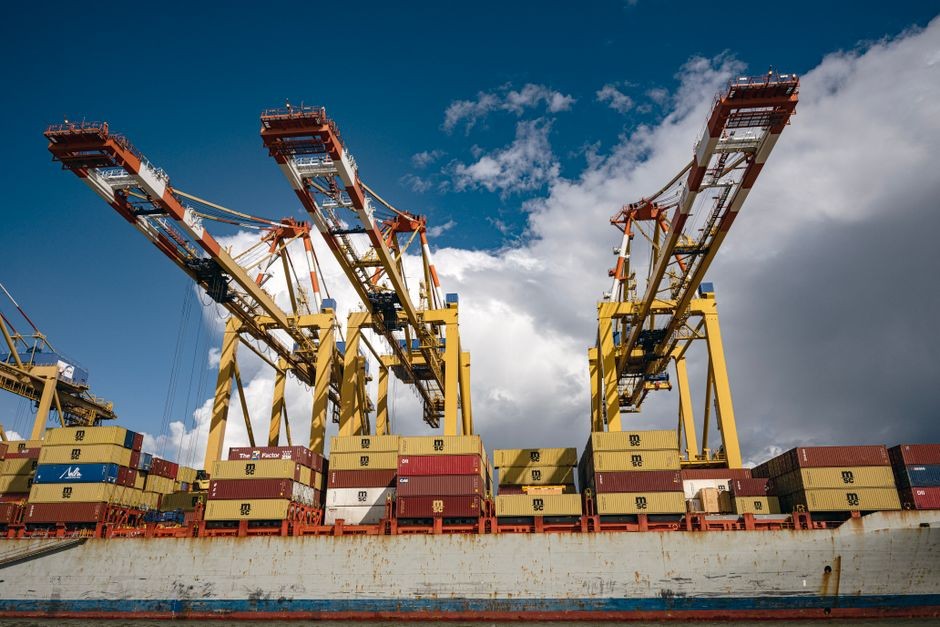
Cargo flows shifted significantly in Q2 2026 as regional disruptions redirected trade toward Saudi Arabia’s Western ports — notably Jeddah Islamic Port and King Abdullah Port in Rabigh. This realignment was reinforced by the launch of Mediterranean Shipping Company’s new Middle East Express service, establishing direct shipping links from Europe to these Red Sea hubs. While near-term freight costs remain elevated, the long-term effect is a permanent retention of a portion of diverted trade, solidifying the Kingdom’s role as a dependable logistics alternative.

“The resilience and adaptability of the Kingdom’s logistics sector, backed by national directives and strategic port infrastructure investments in line with Vision 2030 goals, have strengthened Saudi Arabia’s strategic position as a global trade hub. This structural demand, including enhanced capacity of the Kingdom’s Red Sea ports, are creating a dependable ecosystem for investment and growth, and fuelling interest in premium, strategically positioned logistics spaces, even amidst broader macroeconomic uncertainties.” — Saud Al Sulaimani, CEO and Head of Capital Markets – KSA at JLL

Source: gdnonline.com

Compiled from international media by the SCI.AI editorial team.

Ask SCI.AI Finished reading? Continue with SCI.AI. Explore the related policy, route, company and historical context. Continue asking
Sulsel UMKMs Target Hajj Supply Chain with 200-Booth Expo
Middle East Supply Chain

Sulsel UMKMs Target Hajj Supply Chain with 200-Booth Expo

Indonesia’s Ministry of Hajj and Umrah (Kemenhaj) and Gowa Regency officials launched the Sulsel Expo UMKM and Hajj and Umrah Ecosystem 2026 on 16 October 2026 in Gowa, South Sulawesi. Featuring 200 fully booked booths, the three-day event targets integration of local UMKMs into the hajj supply chain — prioritizing spices, ready-to-eat foods, rice, and daily consumables. Plt Bupati Gowa Darmawangsyah Muin urged quality upgrades and digitalization, while Dirjen Prof Jaenal Effendi stressed reducing pilgrim reliance on Saudi-sourced souvenirs. The expo expects 25,000 attendees and includes manasik simulations, health services, and social aid.

UAE Logistics Reroutes 90% of Jebel Ali Cargo Amid Red Sea Crisis
Middle East Supply Chain

UAE Logistics Reroutes 90% of Jebel Ali Cargo Amid Red Sea Crisis

Jebel Ali’s container volumes have plummeted by 90% as cargo reroutes via Jeddah Islamic Port and King Abdullah Port, then moves overland into the UAE and Oman. Vessel diversions add 10–14 days and push Shanghai–Jebel Ali freight rates from under $2,000 to over $8,000. DP World’s 50-year Fujairah concession will lift UAE capacity from 19.4 million to nearly 22 million TEUs. Hafeet Rail, 40% complete in April, spans 238km and moves 15,000 tonnes per train. The AED1bn National Industrial Resilience Fund aims to localise 5,000 critical products, while the UAE’s CEPA network now includes 37 agreements — 18 in force as of early 2025.

UAE Logistics Market Rents Rise 12.3% in Dubai, 6.0% in Abu Dhabi
Middle East Supply Chain

UAE Logistics Market Rents Rise 12.3% in Dubai, 6.0% in Abu Dhabi

The UAE logistics market is expanding amid global supply chain shifts, with Dubai’s industrial rents rising 12.3% and Abu Dhabi’s up 6.0% year-on-year in Q3 2026. Released on 28 September 2026, CBRE Middle East’s UAE Industrial and Logistics Review highlights AED 48.5 billion in industrial investments unveiled at the 'Make it in the Emirates 2026' forum. Strategic port, rail, and road infrastructure upgrades—centered on Fujairah and Khor Fakkan—are reducing reliance on maritime chokepoints like the Strait of Hormuz. Rental growth is fueled by constrained Grade A warehousing supply across KEZAD, Jafza, Dubai Industrial City, and the National Industries Park.

Welcome Back!

Login to your account below

Create New Account!

Fill the forms below to register

Retrieve your password

Please enter your username or email address to reset your password.

Scan to share via WeChat

Open WeChat and scan the QR code to share

QR Code

Add New Playlist