Global supply chain concerns remain near record highs in Q2 2026, with 75% of procurement professionals citing Middle East conflict as their top risk—surpassing broader geopolitical uncertainty (67%) and Ukraine-related disruptions (33%). Cybersecurity has risen to among the top three expected risks over the next 12 months, while shipping and logistics face input cost increases exceeding 10%. One-third of organizations report direct impacts from evolving US tariff policy, and 37% are actively monitoring trade policy developments. Resilience strategies—including supplier diversification and extended contracts—are now central to procurement strategy, especially in southern Africa.
According to www.freightnews.co.za, global supply chain concerns remain near record highs in Q2 2026, driven by geopolitical instability, cyber threats, and rising logistics costs.
Geopolitical Tensions Dominate Risk Landscape
The Chartered Institute of Procurement & Supply (CIPS) Pulse Survey for Q2 2026 found that conflict in the Middle East was cited as the top supply chain risk by 75% of procurement and supply chain professionals worldwide. Broader geopolitical uncertainty followed at 67%, while the war in Ukraine remained a concern for 33% of respondents. For southern African businesses dependent on international shipping networks and imported industrial inputs, these tensions directly impact freight costs, supply reliability, and sourcing strategies.
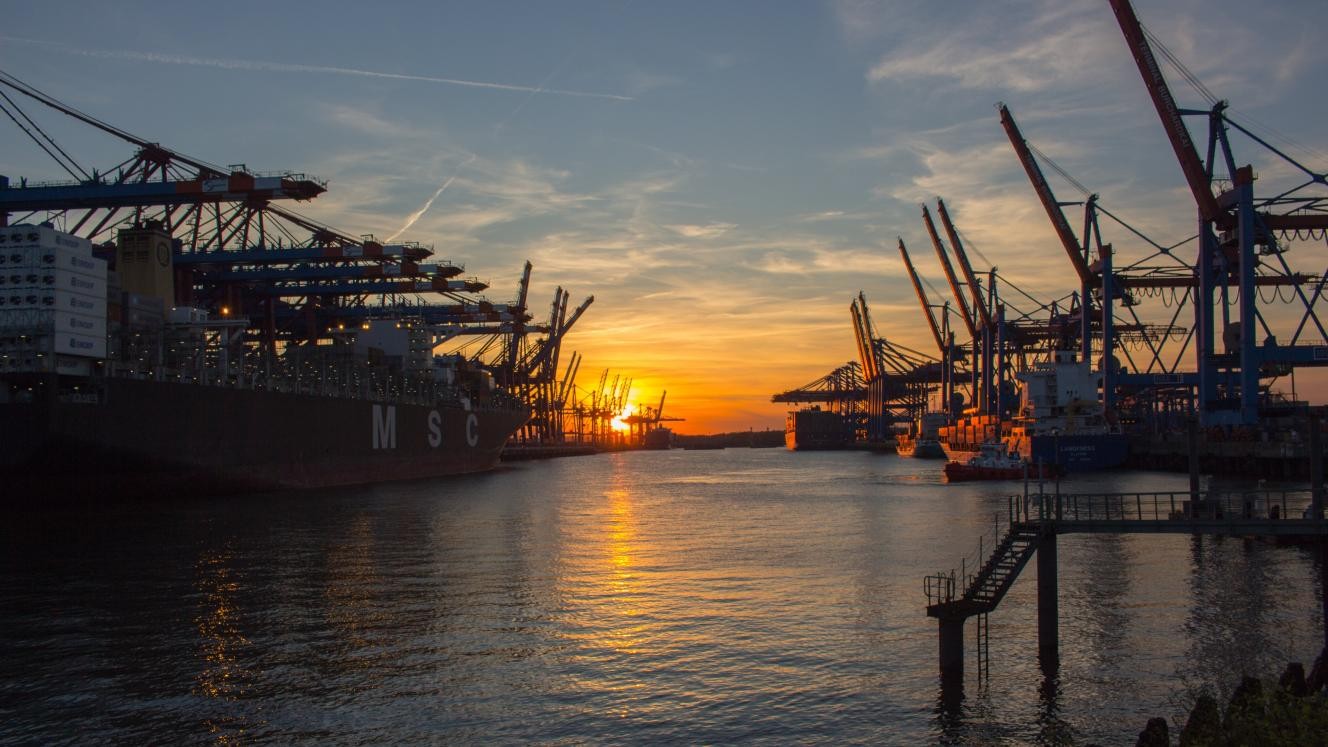
The survey underscores how regional conflicts are reshaping global trade flows — particularly affecting sea freight routes through the Strait of Hormuz, which industry analysts warn could face prolonged disruption. As noted in related coverage from the same date, “Shipping industry braces for prolonged Hormuz disruption” — reinforcing the operational urgency behind the CIPS findings.
Cybersecurity Surges as Critical Threat
Cybersecurity has overtaken logistics disruption as one of the three biggest risks expected to affect supply chains over the next 12 months. This shift reflects growing awareness that attacks targeting suppliers, logistics providers, or critical infrastructure can halt operations and delay deliveries across multiple tiers. Procurement professionals identified shipping and logistics — alongside petroleum and mining, chemicals and pharmaceuticals, food and beverages, and fabricated metal products — as sectors most likely to experience input cost increases of more than 10%.
Such cost pressures compound existing volatility: the survey confirms that one-third of organisations are already feeling the effects of evolving US tariff policy, while an additional 37% are actively monitoring developments amid ongoing trade policy uncertainty.
Resilience Strategies Take Center Stage
In response, companies are prioritising supply chain resilience through concrete, measurable actions. Supplier diversification, extending supplier contracts, and holding additional inventory rank as the leading strategies to improve continuity of supply, according to the CIPS survey. CIPS Southern Africa regional managing director Paul Vos emphasized that businesses can no longer assume a return to pre-crisis operating conditions:
“While inflationary pressures have eased in some areas, the operating environment remains highly unpredictable. For South African organisations, resilience is increasingly becoming a competitive advantage. That means developing broader supplier networks, strengthening regional sourcing where appropriate, improving visibility across the supply chain and ensuring procurement is represented as a strategic function within the business rather than simply a cost-control exercise.” — Paul Vos, Regional Managing Director, CIPS Southern Africa
This perspective aligns with structural shifts observed globally. CIPS global chief executive Ben Farrell described the transformation as tectonic:
“The tectonic plates of global trade are shifting. The world we knew has gone. Regionalisation is rising, globalisation is being reshaped, and those organisations that build resilient regional partnerships will be best placed to thrive.” — Ben Farrell, Global Chief Executive, CIPS
Policy and Infrastructure Responses Emerge
Parallel developments signal institutional recognition of these pressures. On 20 Jul 2026, the Transnet National Ports Authority (TNPA) invited private-sector bidders to compete for a 25-year concession to redevelop, operate, and maintain the multi-purpose terminal at the Port of Cape Town — a move aimed at enhancing port capacity and supply chain agility in southern Africa. Meanwhile, the World Bank highlighted gains from recent freight reforms, and the South African Freight Logistics Association (SAFLA) warned of compliance risks arising from new Kenyan customs requirements — both reported on 20 Jul 2026 and 17 Jul 2026, respectively.
These initiatives reflect a broader trend: procurement reform is now seen as vital for manufacturers, government is expanding the private sector’s role in Special Economic Zones (SEZs), and border agencies like the Road Freight Association (RFA) and SAFLA have joined forces on cross-border regulatory alignment — all documented in Freight News’ contemporaneous reporting.
Source: freightnews.co.za
Compiled from international media by the SCI.AI editorial team.