Skip to content

Coverage desk

Australia

21 published stories

Central Retail Vietnam Cuts Stock-Outs by 20% with Centralized Supply Chain
Inventory & Fulfillment

Central Retail Vietnam Cuts Stock-Outs by 20% with Centralized Supply Chain

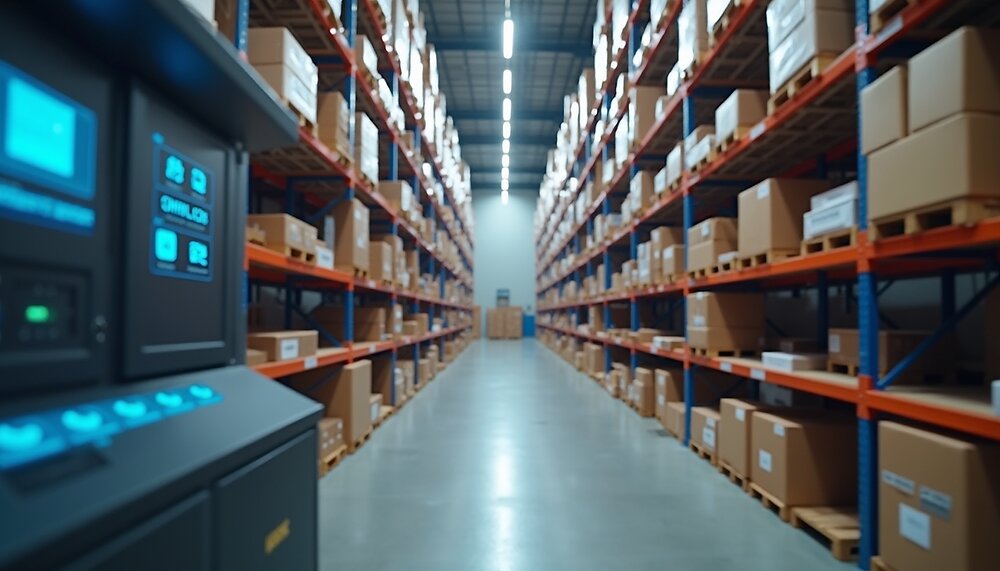
Central Retail Vietnam cut stock-outs by about 20% by replacing its fragmented direct-to-store model with a centralized distribution system. Led by Chief Supply Chain Officer Mike Reid, the overhaul improved on-shelf availability, reduced backroom congestion, and shifted stores toward customer-centric execution. The company standardized processes before digitizing, trained staff via its Supply Chain Academy, upgraded ERP-logistics integrations, and consolidated its logistics network from over 20 to five core partners. Operating amid Vietnam’s fragmented trucking sector and urban delivery restrictions, Central Retail optimized routes, increased drop density, and adapted to access windows—demonstrating how process discipline and partnership rigor drive resilience in complex markets.

Central Retail Vietnam Cuts Stock-Outs by 20% with Centralised Supply Chain
Inventory & Fulfillment

Central Retail Vietnam Cuts Stock-Outs by 20% with Centralised Supply Chain

Central Retail Vietnam has cut stock-outs by 20% through a centralised distribution model, replacing its fragmented direct-to-store system. Led by Chief Supply Chain Officer Mike Reid, the revamp improved forecasting, reduced backroom congestion, and consolidated logistics partners from over 20 to five core providers. Emphasising process standardisation before digitisation, staff training, and ERP–WMS integration, the initiative enhances on-shelf availability amid Vietnam’s complex urban logistics landscape. The company frames local challenges as catalysts for higher planning discipline and collaboration.

TMS Security Blueprint: 5 Critical Defenses for Supply Chain Resilience
Digital Platforms

TMS Security Blueprint: 5 Critical Defenses for Supply Chain Resilience

This deep-dive analysis reveals how TMS security has evolved from an IT concern into the cornerstone of supply chain resilience in Australia's $142 billion road freight market. With 73% YoY ransomware growth targeting logistics systems, fragmented architectures, weak RBAC, and unsecured mobile endpoints now constitute critical vulnerabilities under the Heavy Vehicle National Law. We dissect five technical and operational pillars — integrated architecture, least-privilege access, adaptive MFA, cryptographically verifiable audit trails, and human-centred design — showing how each directly impacts CoR compliance, cargo theft prevention, and market access under Australia's 2026 Consumer Data Right expansion.

Hormuz Paralysis: How Middle East Conflict Is Rewiring Asia-Pacific Supply Chains
Disruptions

Hormuz Paralysis: How Middle East Conflict Is Rewiring Asia-Pacific Supply Chains

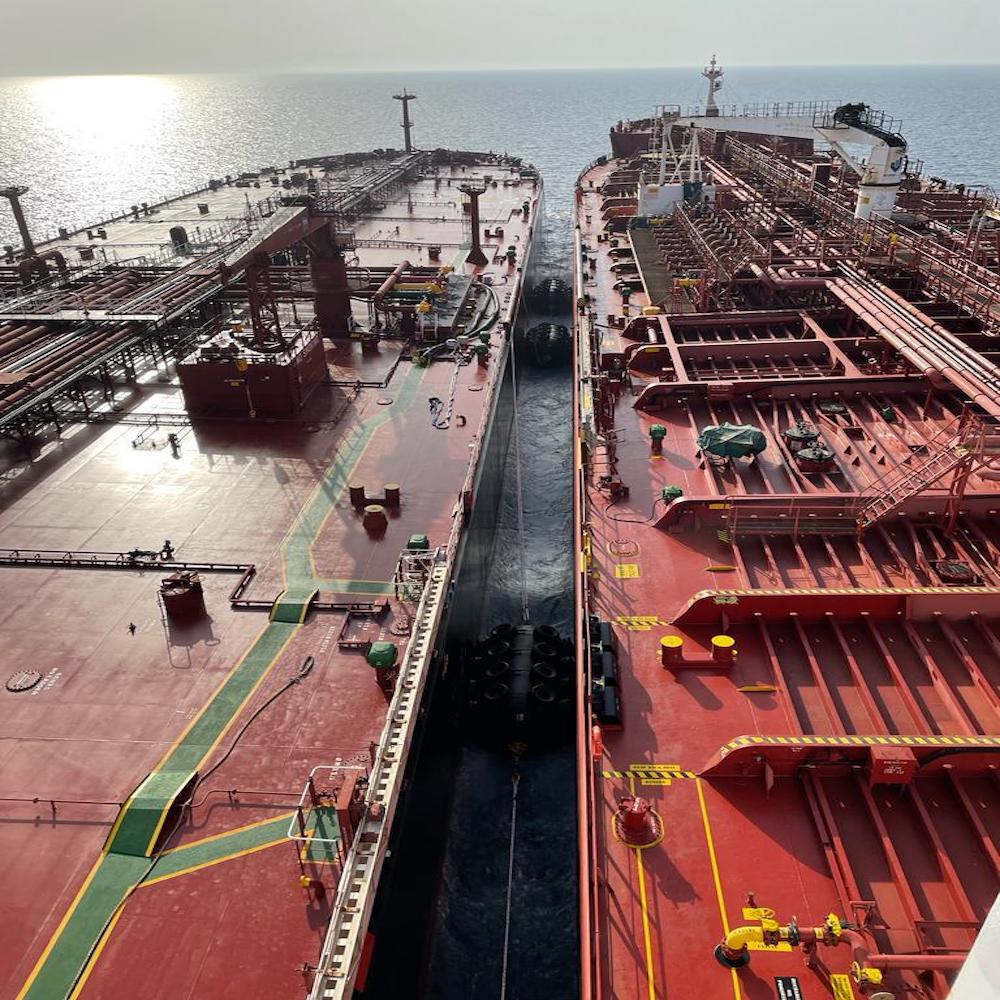
The Strait of Hormuz crisis has triggered a cascading failure across Asia-Pacific supply chains — not just in oil and shipping, but in semiconductor gases, fertilizer, remittances, and humanitarian logistics. With daily transits collapsing to under 3,200 vessels, freight costs surging 340%, and helium-4 shortages degrading chip yields by 23%, the region faces a structural recalibration. Vulnerable economies like Sri Lanka and Pakistan confront fuel rationing, currency collapse, and food insecurity, while tech hubs confront elemental scarcity no amount of inventory can buffer. This is not a cyclical shock — it is a permanent reconfiguration of risk architecture.

Thailand’s Data Centre Boom: A Supply Chain Stress Test for Water, Energy, and Regulatory Resilience
ESG & Regulation

Thailand’s Data Centre Boom: A Supply Chain Stress Test for Water, Energy, and Regulatory Resilience

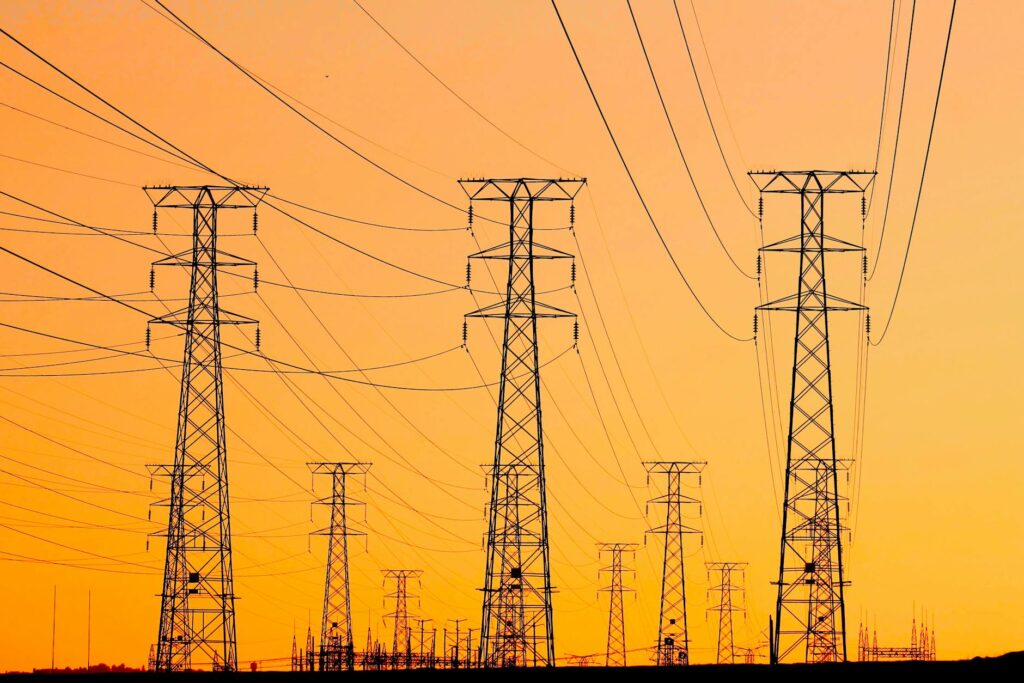
Thailand’s explosive data centre growth—70+ projects in the Eastern Economic Corridor—exposes critical fractures in its water, energy, and regulatory supply chains. With water stress exceeding safe thresholds, grid reserves collapsing to 5.2%, and fragmented ESG oversight enabling compliance arbitrage, the boom reveals systemic vulnerabilities. This analysis dissects the hydrological limits of the EEC, grid fragility amid 4.7 GW of projected demand, regulatory gaps enabling environmental externalities, import dependence stalling localization, and actionable pathways for integrated resource governance. Expert insights and hard data reveal how Thailand’s digital ambition collides with infrastructural reality—and what it must do to transform risk into resilience.

Battery-Swapping Heavy Trucks in Thailand: A Supply Chain Inflection Point for ASEAN Electrification
ESG & Regulation

Battery-Swapping Heavy Trucks in Thailand: A Supply Chain Inflection Point for ASEAN Electrification

U POWER’s deployment of 30 battery-swapping electric heavy trucks in Thailand—kicking off a 1,000-vehicle plan—is a pivotal inflection point for ASEAN supply chains. Unlike plug-in EVs, this model bypasses grid constraints, slashes downtime to under 11 minutes per swap, and enables closed-loop battery recycling with 92% mandated recovery by 2028. Thailand’s dual-track policy—excluding heavy trucks from subsidies while funding swap infrastructure—has catalyzed interoperable standards, ASEAN-wide regulatory alignment, and $1.2 billion in regionally anchored investment. The initiative signals a shift from import-dependent electrification to sovereign, digitally integrated freight infrastructure.

CSDDD Unleashed: How the EU’s Hard Law Directive Is Forcing Global Supply Chain Reengineering
ESG & Regulation

CSDDD Unleashed: How the EU’s Hard Law Directive Is Forcing Global Supply Chain Reengineering

The EU’s Corporate Sustainability Due Diligence Directive (CSDDD) has entered force, transforming global supply chains from logistical networks into legally accountable systems. With penalties up to 5% of global turnover and extraterritorial reach, it compels companies—including Chinese exporters generating €150M+ in EU revenue—to conduct rigorous, continuous human rights and environmental due diligence across all tiers. Operational realities expose stark gaps in supplier capacity, especially in emerging economies, driving co-investment in traceability, grievance mechanisms, and regenerative practices. Financial institutions are embedding CSDDD alignment into lending and investment criteria, creating a bifurcated global supply chain where sustainability performance directly determines capital access and valuation. This is not compliance—it is the foundational architecture of planetary-scale corporate governance.

Indonesia’s Nickel Strategy at a Tipping Point: Value Capture, Technological Disruption, and Geopolitical Realities in the EV Battery Supply Chain
Manufacturing

Indonesia’s Nickel Strategy at a Tipping Point: Value Capture, Technological Disruption, and Geopolitical Realities in the EV Battery Supply Chain

Indonesia’s nickel strategy faces unprecedented strain as global EV battery demand pivots toward non-nickel chemistries like LFP—now 48% of installations—while nickel-rich NMC grows at just 11% YoY. Despite commanding 73% of global NPI output and operating five HPAL plants, Indonesia produces only 3.2% Class 1 nickel and just two nickel sulfate refineries, limiting its share of the $92 billion battery cathode market. Geopolitical fragmentation, IRA/CRMA compliance gaps, and energy-intensive HPAL operations compound the challenge. Success now hinges on diversifying into recycling, superalloys, and sovereign R&D—not doubling down on nickel alone.

Beyond China Plus One: How Asia’s Supply Chain Reconfiguration Is Forging Regional Resilience by 2026
Logistics & Transport

Beyond China Plus One: How Asia’s Supply Chain Reconfiguration Is Forging Regional Resilience by 2026

By 2026, Asia's supply chain evolution transcends 'China Plus One' into a deeply integrated regional resilience network. China remains indispensable—producing 38% of global semiconductor assembly—but Southeast Asia and India now host strategically synchronized nodes. Bonded FTZs in Singapore and Malaysia process $184 billion annually, while cross-border trucking moves 4.8 million TEUs across mainland Asia. Companies achieving >90% OTIF invest 3.2x more in supplier co-development, and AI-driven compliance engines reduce customs holds by 89%. This is not diversification for risk avoidance—it's architectural sovereignty for competitive advantage.

Skye Air’s $9M Funding Fuels India’s Drone Delivery Revolution
Last Mile

Skye Air’s $9M Funding Fuels India’s Drone Delivery Revolution

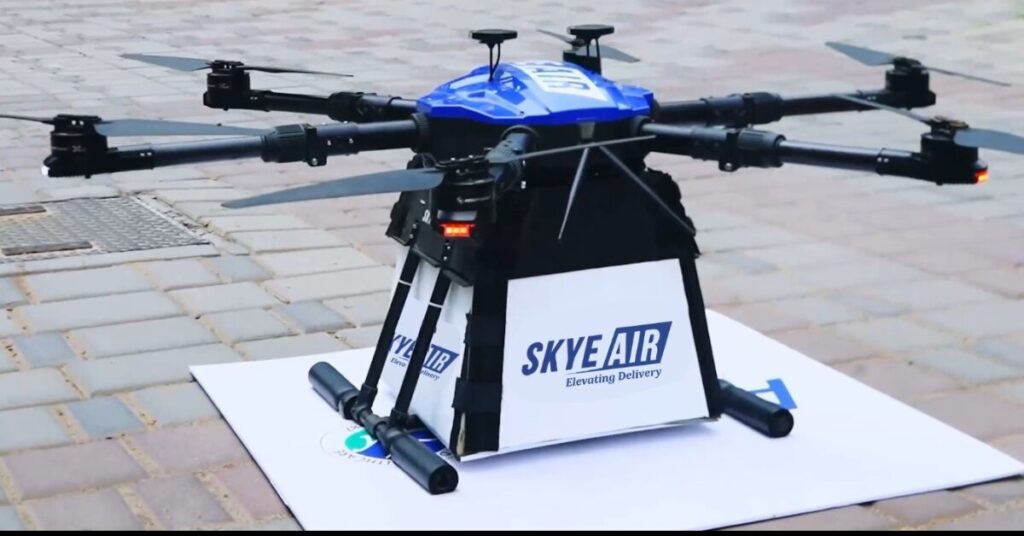
Indian drone delivery startup Skye Air Mobility has secured $9 million in Series B funding to expand its last-mile delivery network across multiple cities. The company's hybrid drone-walker model and B2B2C approach demonstrate the growing maturity of India's drone logistics ecosystem, offering valuable insights for global supply chain innovation.

WiseTech Global Cutting 30% of Workforce in AI Restructure
科技创新

WiseTech Global Cutting 30% of Workforce in AI Restructure

WiseTech Global announces two-year restructuring plan, cutting 2,000 jobs (29% of global workforce), integrating AI deeply into CargoWise platform and internal operations, with U.S. E2open division facing up to 50% cuts.

Welcome Back!

Login to your account below

Create New Account!

Fill the forms below to register

Retrieve your password

Please enter your username or email address to reset your password.

Add New Playlist