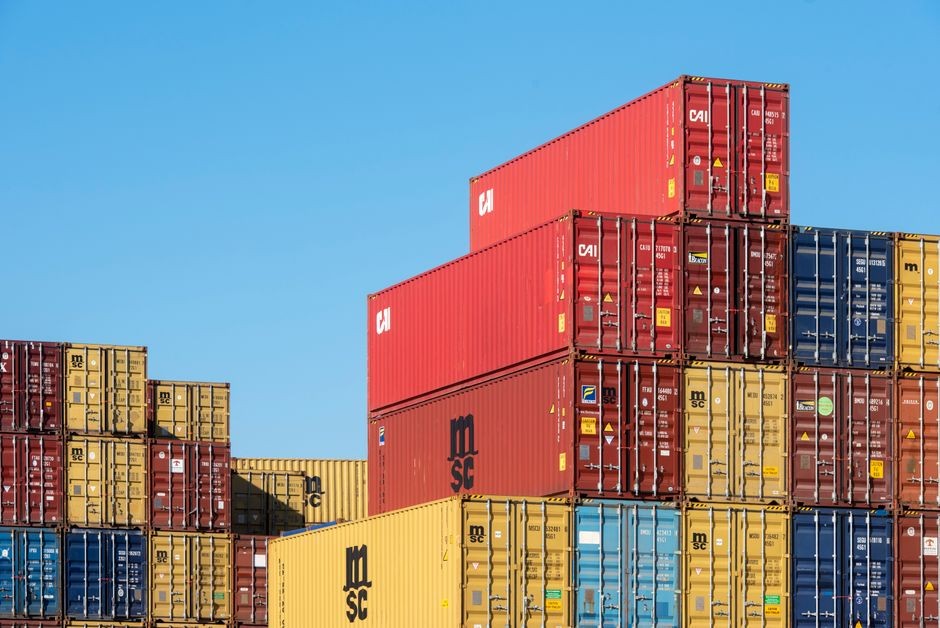
According to www.thehindubusinessline.com, India is emerging as one of the most credible alternatives for multinational firms seeking to diversify supply chains amid escalating geopolitical disruptions and systemic fragility in global production networks.
The Fragility of Efficiency-First Supply Chains
Covid-19, the Russia-Ukraine war, and recent Middle East tensions have collectively exposed a fundamental weakness in globalisation’s architecture: efficiency without resilience. The Strait of Hormuz has been effectively halted and Red Sea transits suspended — putting 25 per cent of global seaborne oil and 20 per cent of global LNG at risk. The IMF estimates trade fragmentation could slash global GDP by 7 per cent, equivalent to the combined output of France and Germany.
India’s Four Structural Advantages
- A large domestic market enabling scale before exporting
- A young workforce amid widespread ageing across Asian economies
- Democratic institutions and legal predictability that reduce political risk for investors
- An expanding network of trade agreements providing preferential access to major markets
Electronics: The First Big Breakthrough
India’s mobile phone production value surged from ₹189 billion in 2014–15 to ₹5.5 trillion in 2024–25 (MeitY). Smartphone exports doubled to $30 billion in FY 2024–25. Over 300 mobile manufacturing units now operate in India — up from just two a decade ago. Global giants including Apple and Samsung are increasingly moving assembly, components, and design to Indian hubs, according to the India Cellular and Electronics Association.
“This transformation is not accidental. It reflects a combination of geopolitical shifts and deliberate industrial policy.”
The PLI Catalyst
The government’s Production Linked Incentive (PLI) scheme — covering electronics, pharmaceuticals, solar modules, and auto components — links incentives directly to incremental production. As of early 2026, PLI schemes across 14 sectors have generated over ₹20.4 trillion in cumulative production and sales, far exceeding the initial projection of ₹6 trillion (NITI Aayog; Economic Survey 2025–26).
Export Multiplier: FTAs in Action
The India-UAE Comprehensive Economic Partnership Agreement (CEPA), operational since 2022, has boosted bilateral trade by 38 per cent. The India-Australia Economic Cooperation and Trade Agreement (ECTA) has similarly expanded market access. Negotiations with the UK and EU are advancing, while talks with the US on a trade and investment framework are gaining momentum. These agreements are catalysing investments in logistics parks and cold chains — linking Indian producers to Gulf markets — and facilitating partnerships in critical minerals and agricultural supply chains.
Infrastructure Imperative
India’s National Logistics Policy targets reducing logistics costs from 14 per cent of GDP to 8 per cent by 2030. Achieving this requires massive public and private investment in ports, warehousing, and multimodal connectivity. While the PM Gati Shakti National Master Plan aims to create integrated logistics corridors, execution remains uneven.
Strategic Dimension: Beyond Economics
India co-leads the trilateral Supply Chain Resilience Initiative (SCRI) with Japan and Australia, launched in 2021, to diversify sourcing and share best practices. Its participation in the US-led Indo-Pacific Economic Framework (IPEF) supply chain pillar positions it as a key node in emerging regional production networks.
Source: www.thehindubusinessline.com
This article was AI-assisted and reviewed by our editorial team.