According to indiashippingnews.com, CMA CGM is nearing a $1.4 billion cash agreement to acquire FedEx’s third-party logistics business — a strategic move to deepen its footprint in U.S. supply chains and reduce reliance on volatile container-shipping cycles.
Strategic Diversification Beyond Maritime
The French shipping group has pursued an integrated transport-and-logistics strategy for several years, transforming from a container carrier into a diversified supply-chain operator. Its prior acquisitions include CEVA Logistics and Bolloré Logistics, with the latter described by CMA CGM as a ‘strategic expansion of logistics alongside the group’s historic maritime business’. The proposed $1.4 billion deal would extend that trajectory specifically in the US, the world’s largest consumer market.
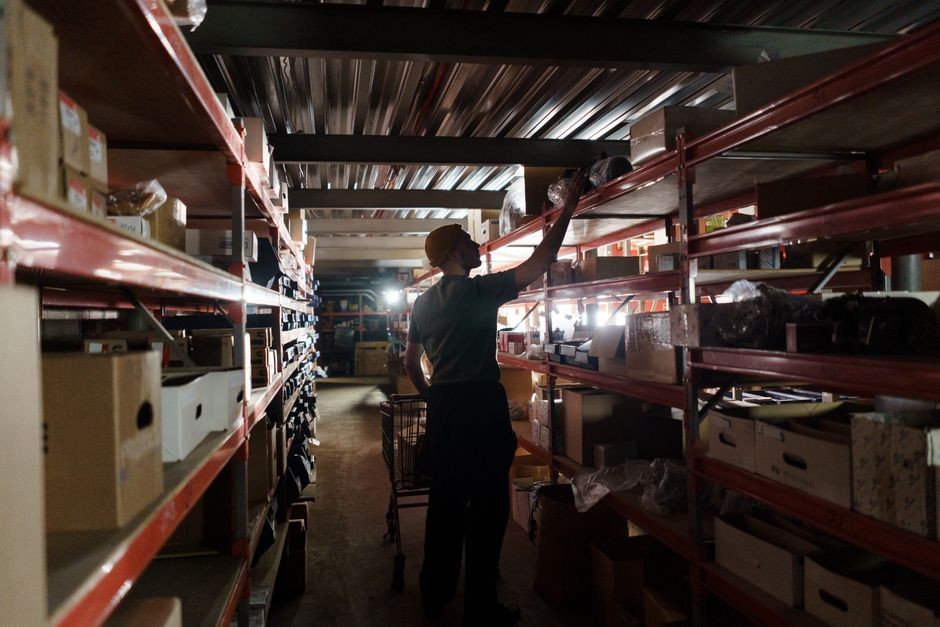
This expansion targets more than physical infrastructure: the FedEx unit manages warehousing, fulfilment, and distribution for third-party customers — embedding CMA CGM directly into clients’ inventory planning and order execution decisions. That proximity creates cross-selling opportunities for ocean freight, air cargo, customs brokerage, and inland transport — all bundled under a unified commercial offer. As noted in the report, the logic is clear: while container shipping delivers cyclical profits tied to freight-rate volatility, logistics revenue stems from longer-term contracts and is less exposed to daily market swings.
Geoeconomic and Infrastructure Alignment
The acquisition complements CMA CGM’s broader U.S. infrastructure investments. In January 2026, it agreed to form a port-terminal joint venture with Stonepeak valued at nearly $10 billion, covering key assets in New York and Los Angeles. That transaction brought in outside capital while preserving CMA CGM’s operating control. Adding the FedEx logistics operation would create vertical integration across port entry, warehousing, and final-mile distribution — a commercially powerful but operationally complex linkage.
The timing reflects shifting geoeconomic realities: supply chains are increasingly shaped by tariffs, industrial policy, and national security concerns. Companies seek greater inventory visibility and alternative routing options; governments incentivize domestic or allied production. CMA CGM’s expanded U.S. footprint positions it to meet those demands — though it also raises regulatory scrutiny and customer data-privacy concerns, particularly given its role serving competing shippers.
Rationale for FedEx’s Divestiture
For FedEx, the sale aligns with a broader corporate simplification effort. The company completed the separation of FedEx Freight in June 2026 and has been pursuing cost reductions amid changing trade patterns and pressure on delivery volumes. While its latest financial results showed stronger revenue and pricing, they emerged amid significant restructuring — underscoring the strategic rationale for shedding non-core assets.
Selling the third-party logistics unit would raise cash and reduce organizational complexity. As the source states, the question is whether the business is more valuable inside an integrated shipping-and-logistics group like CMA CGM — where it can be connected to CEVA’s network and ocean capacity — or within a parcel-focused enterprise prioritizing express transport, technology, and network utilisation.
Execution Risks and Integration Challenges
Success hinges not on acquisition alone but on integration discipline. CMA CGM must unify technology platforms, harmonise customer contracts, consolidate facilities, and retain staff — all while preserving service quality. Cost synergies projected in boardroom presentations often prove difficult to capture without operational disruption.
Regulators may examine competition effects in specific logistics markets, though the third-party logistics sector remains fragmented, and the $1.4 billion transaction is substantially smaller than CMA CGM’s prior major deals. The price tag is manageable for a group that accumulated substantial cash during the pandemic-era shipping boom — but the harder challenge lies in strategic coherence: building a unified network that customers actively choose, rather than merely assembling assets. As the source observes, the ambition is no longer just maritime transport — it is controlling more of the journey before and after the port.
Source: indiashippingnews.com
Compiled from international media by the SCI.AI editorial team.