Thailand’s explosive data centre growth—70+ projects in the Eastern Economic Corridor—exposes critical fractures in its water, energy, and regulatory supply chains. With water stress exceeding safe thresholds, grid reserves collapsing to 5.2%, and fragmented ESG oversight enabling compliance arbitrage, the boom reveals systemic vulnerabilities. This analysis dissects the hydrological limits of the EEC, grid fragility amid 4.7 GW of projected demand, regulatory gaps enabling environmental externalities, import dependence stalling localization, and actionable pathways for integrated resource governance. Expert insights and hard data reveal how Thailand’s digital ambition collides with infrastructural reality—and what it must do to transform risk into resilience.
Thailand is undergoing a structural transformation in its digital infrastructure landscape—not through incremental upgrades, but via an unprecedented wave of data centre development that has accelerated from ambition to execution at breakneck speed. With more than 70 data centre projects currently planned or underway, the nation has vaulted into the upper tier of Asia-Pacific’s hyperscale hosting ecosystems. Crucially, over 65 per cent of these facilities are concentrated within the Eastern Economic Corridor (EEC), Thailand’s flagship industrial zone spanning Chonburi, Rayong, and Chachoengsao provinces. This geographic clustering—intended to leverage existing power transmission corridors, port access, and tax incentives—is now revealing systemic vulnerabilities embedded deep within Thailand’s supply chain architecture: water sourcing, grid stability, emissions accountability, and cross-ministerial governance coherence. Unlike Singapore, where land scarcity forced early adoption of liquid cooling and AI-driven energy optimization, or Vietnam, where data centres remain largely enterprise-scale and distributed, Thailand’s model reflects a deliberate, state-backed bet on scale-first deployment—yet one built on infrastructure foundations not originally engineered for the thermal, hydraulic, and electrical loads of modern hyperscale computing.
The Eastern Economic Corridor: Strategic Intent vs. Hydrological Reality
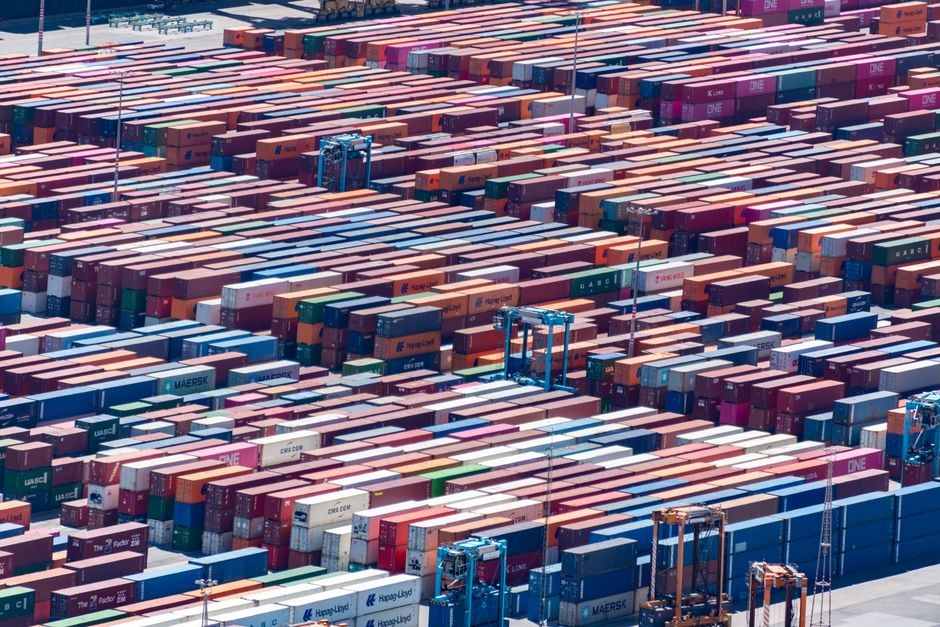
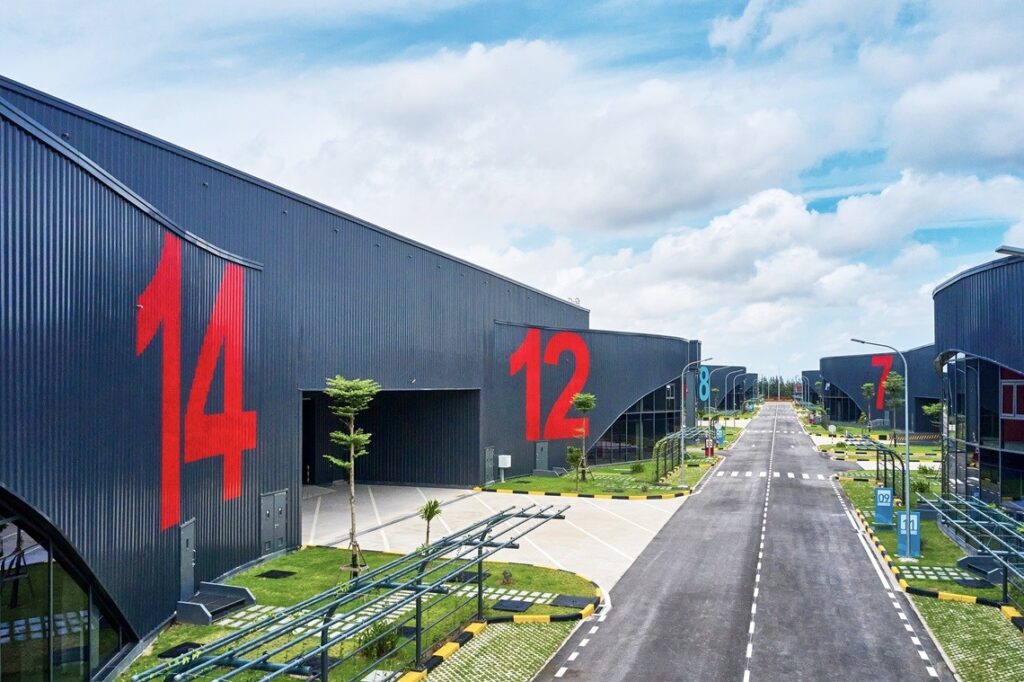
The Eastern Economic Corridor was conceived in 2017 as Thailand’s answer to regional competition—designed to attract high-value manufacturing, advanced logistics, and digital services through streamlined permitting, special economic zones, and targeted infrastructure investment. Its appeal to data centre developers is undeniable: proximity to Laem Chabang Port (Southeast Asia’s third-busiest container terminal), access to the national grid’s eastern substation backbone, and generous BOI incentives including 8–13 years of corporate tax exemption and full foreign ownership rights. However, the EEC’s hydrological profile tells a starkly different story. The region draws over 85 per cent of its freshwater from surface reservoirs—primarily the Map Ta Phut and Prasae river basins—both of which are classified by Thailand’s Office of Natural Resources and Environmental Policy and Planning (ONEP) as ‘critically stressed’ during dry-season months. A single Tier IV data centre consumes between 1.5 and 3 million litres of water daily for cooling tower evaporation alone—a volume equivalent to the annual domestic use of 400–800 Thai households. With at least 23 major data centre campuses under active construction across the EEC, cumulative demand could soon exceed 60 million litres per day—roughly 12 per cent of the total allocated surface water quota for industrial users in the basin. This isn’t theoretical strain; it’s operational friction already manifesting in permit delays, community-led legal challenges, and emergency rationing orders issued by the Royal Irrigation Department in Q1 2024.
What makes this tension particularly acute is the mismatch between regulatory timelines and physical constraints. While the BOI fast-tracks approvals—often granting conditional permits within 90 days—the National Water Resources Office (NWRO) operates on multi-year hydrological modelling cycles and lacks real-time telemetry integration with industrial water meters. Developers routinely secure BOI approval before NWRO assessments are finalized, creating de facto ‘water lock-in’ without enforceable sustainability safeguards. As Dr. Suthipong Chotikasathien, Senior Hydrologist at Chulalongkorn University’s Center for Climate Change and Sustainability, observes:
“The EEC’s water governance remains siloed: industrial policy is driven by economic ministries, while water allocation falls under environmental and agricultural authorities. There is no binding inter-ministerial water budgeting framework for new infrastructure—only advisory guidelines that carry no enforcement teeth.” — Dr. Suthipong Chotikasathien, Senior Hydrologist, Chulalongkorn University
Compounding this, groundwater extraction—once a stopgap—has triggered land subsidence rates exceeding 3.5 cm/year in parts of Rayong, threatening the structural integrity of newly poured data hall foundations and underground utility conduits. The supply chain implication is unambiguous: water is no longer a passive input but a primary risk vector—capable of derailing commissioning schedules, inflating capex through mandatory closed-loop cooling retrofits, and triggering reputational liabilities for global cloud providers whose ESG disclosures cite ‘zero freshwater withdrawal’ commitments.
This hydrological stress exposes deeper fissures in Thailand’s infrastructure supply chain logic. The country’s long-standing reliance on centralized, monolithic infrastructure planning—where electricity, water, and transport were developed independently—collides directly with the integrated resource demands of hyperscale computing. A data centre doesn’t just need power; it needs predictable voltage, low harmonic distortion, and millisecond-level grid stability—requirements that strain even Thailand’s most modern substations. It doesn’t just need water; it needs consistent temperature, low mineral content, and zero biofilm risk—parameters rarely monitored at municipal intake points. And critically, it doesn’t just need land; it needs geotechnical certification, seismic resilience, and floodplain exclusion—all factors inadequately mapped in many EEC sub-districts. The result is a growing class of ‘permit-ready but site-unready’ developments, where financial close is achieved but physical buildout stalls for 12–18 months awaiting resolution of inter-agency disputes over water rights or grid interconnection studies. For global investors accustomed to Singapore’s turnkey delivery model or Malaysia’s Penang corridor’s phased utility rollouts, Thailand’s emergent reality represents a paradigm shift—from predictable infrastructure-as-a-service to infrastructure-as-a-negotiation.
Energy Supply Chain Fragmentation and Grid Vulnerability
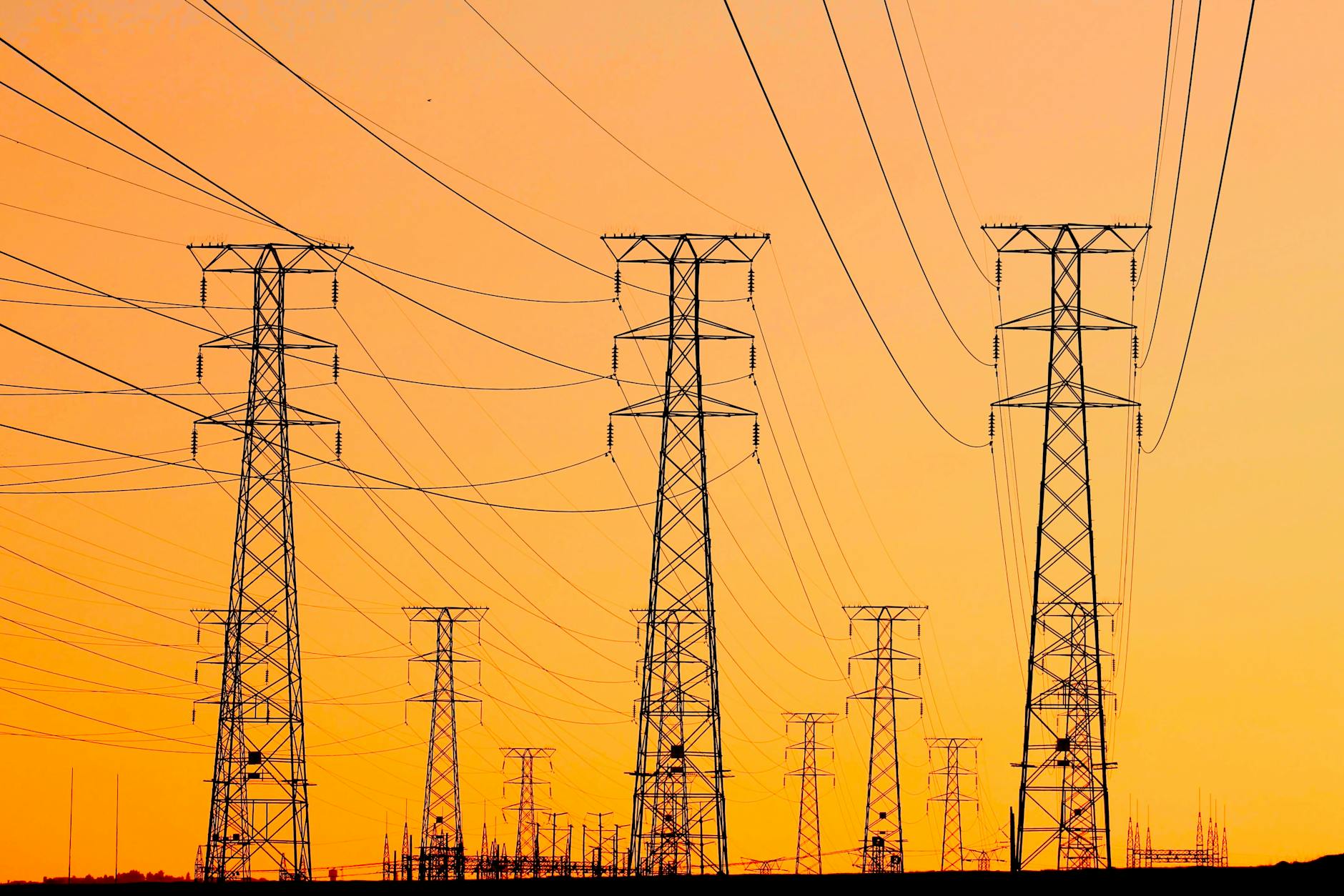
Thailand’s national grid, operated by the Electricity Generating Authority of Thailand (EGAT), faces mounting pressure from both legacy load growth and the sudden influx of high-density, non-interruptible computing loads. While EGAT reports an overall reserve margin of ~14 per cent, this figure masks severe regional imbalances: the eastern grid—feeding the EEC—operates at a reserve margin of just 5.2 per cent during peak summer months, well below the internationally recommended 15 per cent safety threshold. Data centres compound this fragility not only through sheer consumption—each 100 MW campus draws equivalent power to a city of 300,000—but also through their unique load profiles: near-constant draw (95–98 per cent uptime), minimal load-shifting capability, and sensitivity to voltage sags lasting less than two cycles. When combined with Thailand’s heavy reliance on natural gas (62 per cent of generation mix in 2023) and aging thermal plants nearing end-of-life, the risk of cascading outages escalates significantly. In March 2024, a single transformer failure at the Map Ta Phut substation triggered a 47-minute brownout across three industrial estates—disrupting commissioning tests at four nascent data centres and costing an estimated $2.8 million in lost SLA credits and thermal recalibration time.
This vulnerability is exacerbated by structural gaps in Thailand’s energy supply chain governance. Unlike South Korea’s KPX, which mandates real-time load forecasting and dynamic pricing for large consumers, or Japan’s OCCTO, which requires data centres to participate in demand-response programs, Thailand lacks statutory mechanisms to compel load flexibility or incentivize behind-the-meter renewables. Although the BOI offers subsidies for solar PV installations, fewer than 12 per cent of approved EEC data centre projects include on-site generation, citing land-use restrictions, grid interconnection complexity, and uncertainty around net metering regulations. Moreover, Thailand’s Power Development Plan (PDP) 2024–2037 projects only 1.4 GW of new renewable capacity dedicated to the eastern region by 2030—a figure dwarfed by projected data centre demand of over 4.7 GW by 2027. The consequence is a dangerous dependency on diesel backup generators—whose NOx and PM2.5 emissions have spiked 23 per cent year-on-year in Rayong province, according to Pollution Control Department air quality monitors. This isn’t merely an environmental concern; it’s a supply chain continuity threat. Diesel fuel supply chains are vulnerable to maritime disruptions, price volatility, and storage regulation changes—risks that global cloud providers explicitly exclude from their business continuity plans.
The absence of coordinated energy-water-heat nexus planning further erodes resilience. Modern data centres increasingly deploy waste heat recovery for district heating or absorption chilling—systems that require integrated thermal infrastructure planning. Yet Thailand’s Ministry of Energy, Ministry of Natural Resources and Environment, and Ministry of Industry operate separate, non-interoperable digital platforms for energy reporting, water licensing, and industrial emissions tracking. There is no shared data ontology, no unified dashboard for cross-sectoral impact assessment, and no inter-ministerial task force empowered to override jurisdictional boundaries. As a result, developers face redundant reporting requirements, inconsistent interpretations of ‘renewable energy’ (e.g., whether off-site PPAs count toward BOI green incentives), and no mechanism to aggregate demand signals across sectors to inform utility investment decisions. The supply chain outcome is clear: escalating soft costs, delayed grid interconnection agreements, and growing investor skepticism about Thailand’s ability to deliver reliable, bankable power at scale. Without institutional reform, Thailand risks becoming a case study in how infrastructural ambition outpaces institutional capacity—leaving billions in committed capital stranded in pre-commissioning limbo.
Regulatory Arbitrage and the ESG Accountability Gap
Thailand’s current regulatory ecosystem unintentionally incentivizes compliance arbitrage rather than holistic sustainability. The BOI’s investment promotion framework evaluates projects almost exclusively on job creation, export potential, and technology transfer—criteria that reward rapid buildout but ignore lifecycle environmental externalities. Meanwhile, environmental impact assessments (EIAs) remain project-specific, static documents that do not account for cumulative impacts across clustered developments. With 23 data centres operating within a 45-kilometre radius of Map Ta Phut, the additive effect on local air quality, aquifer depletion, and noise pollution is neither modeled nor mitigated at the policy level. Worse, EIAs are often commissioned by developers themselves, using consultants pre-approved by the Office of Natural Resources and Environmental Policy and Planning (ONEP)—creating inherent conflicts of interest and methodological homogeneity. A 2024 audit by the Thai Environmental Institute found that 89 per cent of recent EEC data centre EIAs used identical baseline water quality data from 2019, despite documented salinity increases and algal blooms in downstream reservoirs since 2022. This regulatory inertia creates what industry insiders term the ‘ESG mirage’: glossy sustainability reports citing ISO 14001 certification and LEED Silver targets, while actual operational metrics—real-time water withdrawal, grid carbon intensity, or particulate emissions—are neither mandated nor publicly disclosed.
This accountability gap has tangible consequences for global supply chain actors. Multinational enterprises selecting Thailand as a regional hub must now navigate contradictory compliance regimes: their headquarters may require adherence to the EU’s Corporate Sustainability Reporting Directive (CSRD), mandating scope 1–3 emissions disclosure, while Thai law requires only scope 1 reporting for facilities above 10 MW. Similarly, while Apple’s Supplier Clean Water Program demands zero discharge of priority pollutants, Thailand’s Industrial Wastewater Standards permit up to 50 mg/L of total dissolved solids (TDS) for cooling tower blowdown—a threshold that encourages dilution over treatment. The resulting friction manifests in procurement delays, increased third-party verification costs, and, increasingly, contract renegotiations. As noted by a senior infrastructure strategist at a Tier 1 global cloud provider:
“We’re now embedding ‘regulatory convergence clauses’ into every EEC land lease—we require the developer to indemnify us against future tightening of water discharge standards or carbon pricing mechanisms. That wasn’t necessary in Ireland or Arizona. Thailand’s regulatory velocity is now a line-item cost, not a background assumption.” — Anonymous, Senior Infrastructure Strategist, Global Cloud Provider
This shift signals a broader reconfiguration of risk allocation in digital infrastructure supply chains: from developer-centric liability to shared, contractually enforced accountability across the value chain.
The lack of harmonized metrics also impedes benchmarking and best-practice diffusion. While the Uptime Institute’s Global Data Center Survey reports average PUEs of 1.58 globally, Thailand’s reported figures—self-declared and unaudited—hover around 1.72, with no transparency on measurement methodology or boundary definitions. Without standardized, third-party verified reporting, investors cannot distinguish between genuine efficiency leadership and marketing-driven claims. This opacity undermines Thailand’s competitiveness against jurisdictions like Malaysia, where the Malaysian Investment Development Authority (MIDA) publishes annual sustainability performance dashboards for all approved data centres, or Indonesia, where the Ministry of Energy and Mineral Resources mandates quarterly energy and water usage submissions linked to tax incentives. The supply chain implication is profound: capital allocation decisions are increasingly guided by verifiable ESG data streams, not promotional brochures. Thailand’s current framework fails to generate the trusted, machine-readable data required by ESG-integrated investment algorithms—placing it at a structural disadvantage in the race for next-generation digital infrastructure capital.
Supply Chain Localization: From Hardware Import Dependence to Domestic Capability Gaps
Thailand’s data centre supply chain remains heavily import-dependent—particularly for mission-critical hardware. Over 92 per cent of server racks, UPS systems, and precision cooling units deployed in EEC projects are imported from China, Taiwan, and South Korea, according to customs data compiled by the Federation of Thai Industries. While this reflects global supply chain realities, it introduces acute vulnerabilities: shipping delays from Red Sea disruptions have extended lead times for critical chillers from 14 to 26 weeks; semiconductor shortages have pushed ASIC-based AI accelerator deliveries beyond 32 weeks; and US export controls on advanced chips have forced redesigns of planned HPC clusters. More critically, this import reliance exposes a strategic capability gap in local service infrastructure. Thailand has only three certified Tier III+ data centre maintenance firms capable of servicing high-voltage UPS systems, and none offer 24/7 bilingual (English–Thai) engineering support with sub-two-hour response SLAs—requirements stipulated in virtually all global colocation contracts. The result is a costly dependency on expatriate technicians flown in from Singapore or Seoul, inflating opex by 37 per cent annually compared to regional peers and introducing unacceptable mean-time-to-repair (MTTR) variances.
This localization deficit extends to software-defined infrastructure layers. While Thailand excels in electronics assembly and automotive component manufacturing, its domestic ecosystem for data centre automation tools—DCIM platforms, AI-driven predictive maintenance suites, and network telemetry analytics—remains embryonic. Less than 5 per cent of EEC data centres deploy locally developed DCIM solutions, citing inadequate API standardization, limited integration with Thai utility billing systems, and absence of cybersecurity certifications recognized by global cloud providers. The supply chain consequence is dual-layered: first, recurring license fees flow offshore, draining local value capture; second, data sovereignty concerns intensify when proprietary telemetry streams are routed through foreign cloud platforms for algorithmic optimization. As Thailand positions itself as ASEAN’s digital hub, this software gap threatens to relegate it to a ‘hardware host’ rather than a ‘digital sovereign’—a status that contradicts national ambitions outlined in the Thailand 4.0 strategy. Bridging this gap requires coordinated action: harmonizing Thai Industrial Standards (TIS) with Uptime Institute and ANSI/TIA-942 frameworks, establishing sandbox environments for local DCIM startups, and incentivizing joint ventures between Thai telecom operators and global infrastructure software vendors.
Yet localization efforts face structural headwinds. Thailand’s vocational education system produces fewer than 1,200 certified data centre technicians annually, while industry demand exceeds 4,500 per year—a shortfall filled by temporary foreign workers under restrictive visa quotas. Moreover, local universities offer no undergraduate degrees in data centre engineering; courses remain siloed within computer science (focused on coding) or electrical engineering (focused on generation). This misalignment perpetuates a skills bottleneck that constrains not just operations, but innovation. Without a domestic talent pipeline fluent in both thermodynamics and Python, Thailand cannot develop homegrown solutions for tropical-climate cooling optimization, monsoon-resilient power distribution, or rice-paddy aquifer recharge modeling for sustainable water sourcing. The supply chain lesson is unequivocal: infrastructure sovereignty requires human capital sovereignty. Until Thailand treats data centre engineering as a distinct, nationally prioritized discipline—with dedicated curricula, apprenticeship pathways, and research funding—it will remain structurally dependent on imported expertise, limiting its ability to co-design resilient, context-appropriate digital infrastructure.
Strategic Pathways: Integrating Resource Flows Across Ministries
Addressing Thailand’s data centre supply chain stresses demands more than technical fixes—it requires institutional innovation. The most promising pathway lies in establishing a permanent, cabinet-level Digital Infrastructure Coordination Unit (DICU) with statutory authority to harmonize policies across the Ministry of Energy, Ministry of Natural Resources and Environment, Ministry of Industry, and the Office of the Prime Minister. Such a unit would replace ad hoc inter-ministerial committees with binding decision-making power over cross-cutting thresholds: a unified water budget for industrial clusters, mandatory grid-interactive load profiles for new data centres, and standardized ESG reporting templates aligned with ISSB and GRI frameworks. Crucially, the DICU would manage a national Digital Infrastructure Resilience Fund—capitalized by a 0.3 per cent levy on all BOI-approved data centre investments—to finance shared infrastructure: regional closed-loop water recycling plants, microgrid control systems, and geotechnical survey databases. Early modeling suggests this fund could reduce individual developer capex by 18–22 per cent while accelerating permitting by 40 per cent through pre-approved, site-agnostic utility interfaces.
Parallel to institutional reform, Thailand must accelerate technological decoupling from water-intensive cooling. While immersion cooling remains cost-prohibitive for most Tier II–III deployments, evaporative cooling hybrids coupled with AI-optimized fan speed and wet-bulb targeting can cut water use by 65 per cent without sacrificing PUE. Pilot deployments at True IDC’s Chonburi campus show promise, achieving PUE of 1.39 with 41 per cent less water than conventional towers. Scaling such innovations requires regulatory sandboxes—temporary exemptions from rigid building codes to test modular, prefabricated cooling skids—and tax credits for water recycling equipment certified to ISO 20426 standards. Equally vital is grid modernization: EGAT must accelerate deployment of synchrophasor networks and dynamic line rating systems to increase east-grid capacity by 1.2 GW without new transmission lines—a $320 million investment projected to yield $1.4 billion in avoided outage costs by 2028. These are not futuristic concepts; they are proven, bankable interventions deployed in Texas, Ontario, and Western Australia—adapted to Thailand’s monsoonal climate and institutional context.
Finally, Thailand must reframe data centres not as isolated assets but as nodes in a circular resource economy. The heat exhaust from 100 MW of compute could provide district heating for 20,000 homes or power absorption chillers for nearby food processing plants—industries that constitute 34 per cent of EEC’s GDP. Similarly, treated wastewater from data centre cooling systems meets irrigation-grade standards and could replenish depleted aquifers supporting rice cultivation in adjacent provinces. Realizing this vision requires zoning reforms allowing mixed-use industrial-digital districts, fiscal incentives for thermal off-take agreements, and public-private partnerships to build shared infrastructure corridors. The supply chain insight is transformative: resilience emerges not from redundancy, but from integration. By treating water, energy, heat, and data as interdependent flows—not discrete inputs—Thailand can convert its current vulnerabilities into competitive advantages, positioning the EEC not just as a data centre hub, but as Asia’s first integrated digital-industrial ecosystem.
Source: www.eco-business.com
This article was AI-assisted and reviewed by our editorial team.