The Bank of Korea raised its benchmark interest rate by 25 basis points to 2.75% on July 16, 2026 — its first hike in 3.5 years — to counter persistent inflation and stabilize the weakening won. Driven by a semiconductor export boom, South Korea’s Q1 2026 GDP grew 1.8%, prompting the government to lift its annual growth forecast to 3%, a five-year high. Inflation hit a 2½-year peak, and the BOK signaled further tightening, with median forecasts projecting a 3.25% rate by Q1 2027. The move aligns with recent policy shifts in Japan, Australia, Indonesia, and elsewhere.
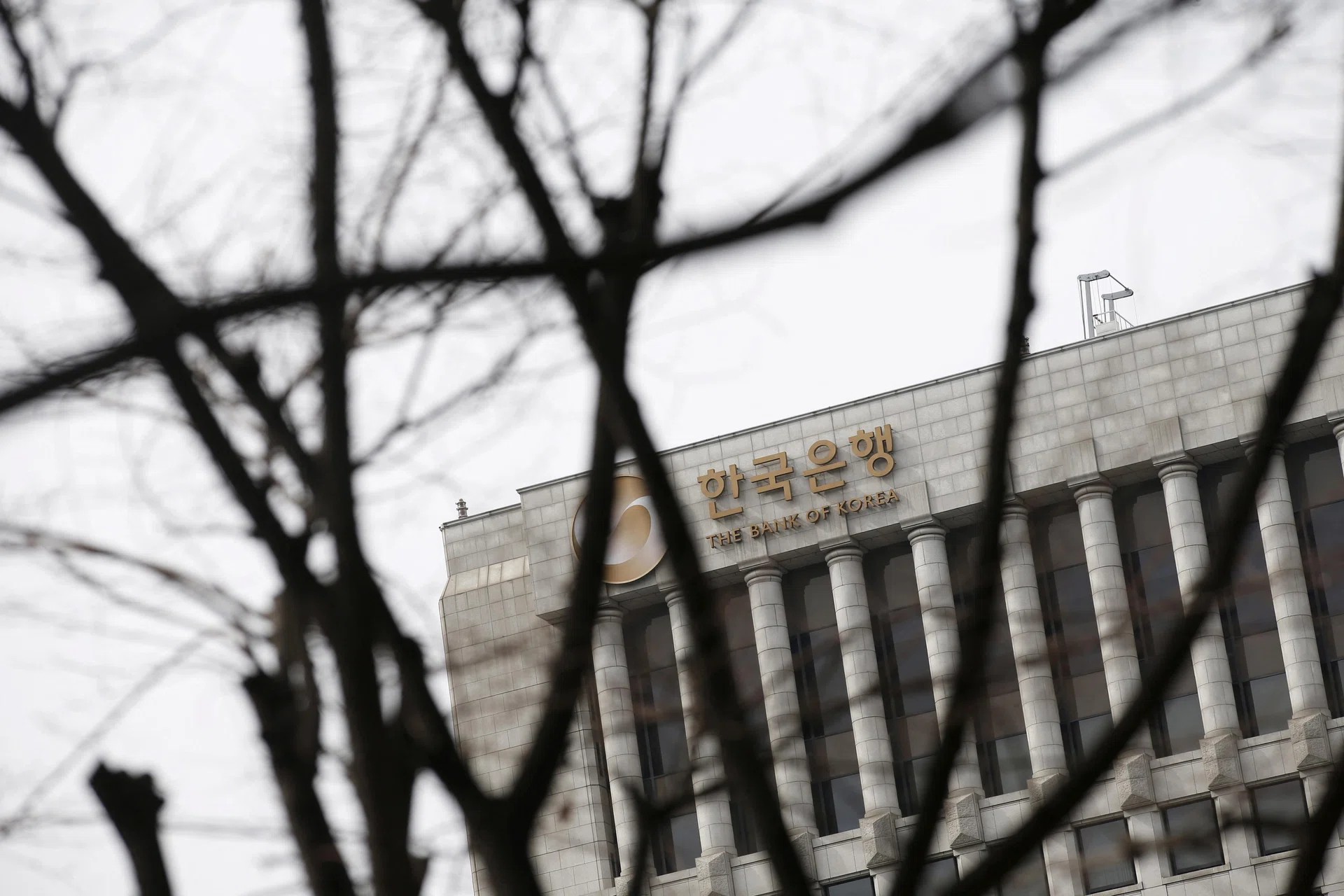
According to www.businesstimes.com.sg, the Bank of Korea (BOK) raised its benchmark seven-day repurchase rate by 25 basis points to 2.75% on Thursday, July 16, 2026 — its first rate hike in 3.5 years.
Economic backdrop: semiconductor boom drives growth and inflation
The decision follows unexpectedly strong economic performance in early 2026, with South Korea’s gross domestic product expanding 1.8% in the first quarter — the fastest pace in nearly six years. This surge is largely attributed to a global semiconductor export and investment boom, prompting the government to raise its full-year 2026 growth forecast to a five-year high of 3%. The BOK’s own May forecast had projected growth of 2.6%, but the central bank now expects actual growth to “considerably exceed” that figure.
The semiconductor-driven demand spillover has also intensified inflationary pressures. Headline inflation in South Korea reached a 2½-year high, prompting the BOK to act despite relatively stable financial conditions. Governor Shin Hyun-song stated in a Seoul news conference:
“With developments across all three areas — growth, inflation, and financial stability — supporting the need for an interest rate hike, it was judged appropriate to raise rates at this meeting.” — Shin Hyun-song, Governor, Bank of Korea
Policy alignment and market response
The move aligns the BOK closely with the Bank of Japan, which recently lifted its benchmark rate to a 31-year high. Central banks in Australia, New Zealand, Indonesia, and the Philippines have also tightened monetary policy this year. Analysts widely expect further action: a majority see at least one additional hike before year-end, pushing the policy rate to 3%. Median forecasts project the key rate will reach 3.25% in the first quarter of 2027 and remain there through at least the end of that year.
The rate decision had limited immediate impact on currency markets — the dollar-won exchange rate remained muted — but equity markets reacted sharply. The benchmark Kospi index fell 6.2% as of 0318 GMT (11:18 am Singapore time), driven primarily by renewed selling pressure on chipmakers’ stocks. Meanwhile, the three-year government bond yield edged down slightly to 3.862%.
Forward guidance and data dependency
Governor Shin emphasized concrete indicators for future decisions, signaling an unusually transparent data-dependent approach. Analyst Ahn Jae-kyun of Korea Investment Securities noted:
“(Shin) was remarkably clear. Usually when officials say they are data-dependent, they speak in general terms, but he gave two specific indicators to watch — second-quarter GDP and July inflation data.” — Ahn Jae-kyun, Analyst, Korea Investment Securities
Ahn expects another hike in the fourth quarter of 2026. He added that Shin’s specificity “helped alleviate market uncertainty about the policy path” by clarifying monitoring criteria and leaving open the possibility of back-to-back hikes. The won has weakened 3.4% against the U.S. dollar year-to-date, adding urgency to the BOK’s dual mandate of price stability and financial stability.
Source: businesstimes.com.sg
Compiled from international media by the SCI.AI editorial team.