According to www.dcvelocity.com, Green Project Technologies, a New York-based supply chain decarbonization firm, has acquired Optera — a Colorado-based enterprise carbon accounting and reporting software provider — to build an integrated AI climate management platform.
Strategic consolidation amid tightening regulatory deadlines
The acquisition closes as major jurisdictions enforce mandatory sustainability disclosure. According to the report, California’s SB 253 (the Climate Corporate Data Accountability Act), the EU’s Corporate Sustainability Reporting Directive (CSRD), and the EU’s Carbon Border Adjustment Mechanism (CBAM) are transforming voluntary reporting into legal obligations across Europe and North America — with global ripple effects accelerating. These regulations specifically target Scope 3 emissions, which remain the largest source of disclosure burden, supplier risk, and procurement cost exposure for enterprises.
The timing reflects mounting pressure: CSRD implementation began in phases starting January 2024, with full application for large companies effective January 2025; CA SB 253 mandates public reporting beginning 2026; and CBAM entered its transitional phase in October 2023, with full enforcement scheduled for 2026. Green Project stated that this convergence makes integrated, supplier-facing carbon action no longer optional but operationally urgent.
Platform integration and technical scope
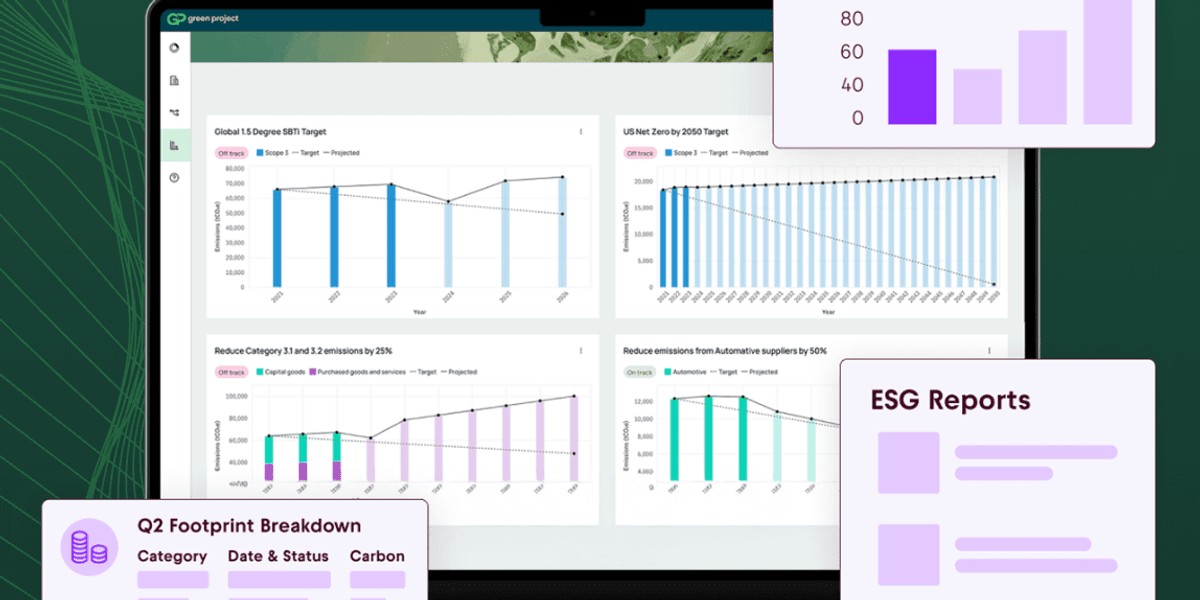
The combined platform unites Optera’s decade-long expertise in enterprise carbon management — including automated data ingestion from ERP, procurement, and logistics systems — with Green Project’s existing infrastructure for supply chain engagement and renewable energy procurement. According to the source, Green Project is a unit of ACT Group, a Dutch environmental disclosure and regulatory solution provider. This parentage provides access to ACT Group’s global compliance infrastructure, including standardized reporting templates aligned with CSRD, CBAM, and emerging national frameworks.
The integration enables real-time emissions tracking across tiers of suppliers, dynamic scenario modeling for decarbonization pathways, and automated generation of audit-ready disclosures. Unlike standalone measurement tools, the platform embeds actionable levers — such as renewable energy contract aggregation, low-carbon transport routing recommendations, and supplier capacity-building workflows — directly into procurement and logistics operations.
Accelerated acquisition trajectory
This deal marks Green Project’s third acquisition in under 18 months. The source states that Green Project acquired Emitwise in 2025, followed by Zeroute in June 2026. It also notes recent strategic partnerships with Giki, FlexiDAO, and HowGood — all focused on data interoperability, supply chain transparency, and product-level environmental impact scoring. Collectively, these moves signal a deliberate shift from point-solution carbon accounting toward end-to-end, supplier-inclusive decarbonization orchestration.
- Emitwise acquisition: 2025
- Zeroute acquisition: June 2026
- Optera acquisition: announced July 15, 2026
- Parent company: ACT Group, headquartered in the Netherlands
- Headquarters locations: New York (Green Project), Colorado (Optera)
Executive perspective on closing the action gap
Sam Stark, CEO and Founder of Green Project, emphasized the operational gap between measurement and mitigation. “For years, the sustainability industry has focused on measurement. Companies can calculate emissions, produce disclosures, and set targets, yet many still don’t know how to close the gap,” he said.
“Together with Optera, and backed by ACT Group’s global infrastructure, this is the platform that closes it: one place that meets enterprises and every one of their suppliers where they are and moves them from measurement to action.” — Sam Stark, CEO and Founder of Green Project
The statement underscores a practitioner-oriented design principle: reducing friction for Tier 2 and Tier 3 suppliers who lack dedicated sustainability staff or IT resources. By embedding carbon data collection into routine procurement workflows — rather than requiring standalone reporting portals — the platform aims to increase supplier participation rates and data accuracy simultaneously.
Source: DC Velocity
Compiled from international media by the SCI.AI editorial team.