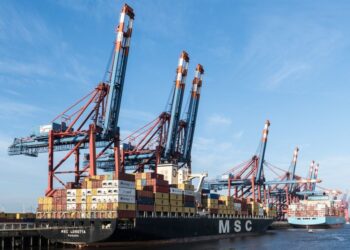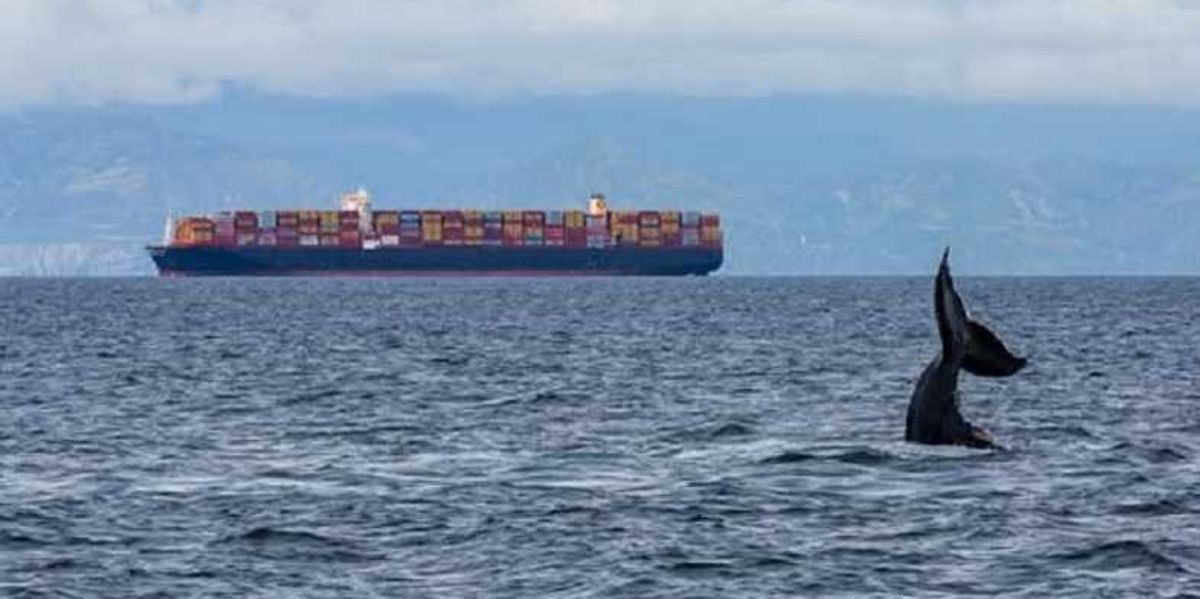
According to www.dcvelocity.com, the Port of Oakland reported a 7.1% month-over-month increase in total container traffic in March 2026, rising to 198,667 twenty-foot equivalent units (TEUs) from 163,254 TEUs in February — a rebound following an unusually slow February.
Year-over-Year and Year-to-Date Trends
Despite the monthly improvement, the Port’s March 2026 volume was down 8.6% compared to March 2025. Year-to-date container volume through the first quarter totaled 557,859 TEUs, representing a 7.3% decline versus the same period in 2025.
Trade Balance and Vessel Activity
March imports reached 99,091 TEUs, while exports stood at 99,576 TEUs — reflecting a near-even trade balance for the month. The Port recorded 86 vessel calls in March, up from 72 in February, indicating improved operational tempo and scheduling stability.
Leadership Perspective and Near-Term Outlook
“March was a stronger month for Oakland, with vessel calls and total container volume improving from February.” — Bryan Brandes, Port of Oakland Maritime Director
According to port leaders, the March uptick signals gathering momentum heading into Q2. The source states that additional shipping services are expected to begin calling Oakland “in the coming weeks,” supporting sustained vessel activity and steady operations.
Broader Context for Supply Chain Professionals
This performance occurs amid wider industry pressures: U.S. container imports held steady in February despite the Iran conflict, but ocean carriers face rising fuel costs due to restricted tanker traffic through the Strait of Hormuz. As noted by Hackett Associates Founder Ben Hackett, higher global fuel prices — driven by regional instability — are inflating container shipping costs for both imports and exports, with downstream inflationary effects on consumers and end users. Simultaneously, new U.S. tariff actions — including adjusted Section 232 duties on pharmaceuticals and ingredients — compound trade policy uncertainty. For supply chain professionals managing West Coast routing, Oakland’s rebound offers a potential alternative node amid ongoing volatility at larger Southern California ports like Los Angeles, which recently marked its second-busiest February on record. Operational consistency at mid-sized U.S. ports is increasingly critical for shippers seeking diversification, equipment repositioning flexibility, and reduced congestion exposure.
Source: DC Velocity
Compiled from international media by the SCI.AI editorial team.