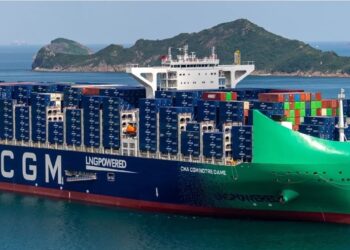
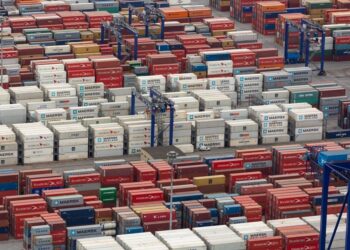
According to www.xeneta.com, 2026 has begun amid heightened volatility, tight capacity, and high-stakes decision-making — where choices made today can lock in freight costs and network configurations for the full year.
Geopolitical Fragmentation and Trade Policy Volatility
Geopolitical risk remains dominant in 2026, driven by intensified competition among economic blocs. New U.S.-led initiatives such as Pax Silica aim to secure technology supply chains — especially for semiconductors and AI-related components — pulling more countries into competing alliances. Ongoing trade tensions and tariff uncertainty are shrinking import volumes into major markets like the U.S. Rapid policy shifts, combined with geopolitical strain, have accelerated “China+1” and nearshoring strategies — yet alternative markets often lack equivalent infrastructure or capacity. Concerns around the weaponization of trade are intensifying, as governments increasingly deploy export controls, sanctions, and industrial policy to advance geopolitical goals. The automotive sector is especially exposed due to its reliance on critical minerals (lithium, cobalt, nickel) and semiconductors.
- Build a comprehensive geopolitical risk dashboard covering sanctions, tariff changes, and export controls
- Diversify supplier regions to avoid overconcentration in one political bloc
- Integrate trade compliance expertise into early procurement planning
Economic Instability & Demand Shocks
Most economic forecasts point to continued volatility through 2026, marked by weak growth pockets, regional divergence, and sudden demand slowdowns or rebounds. Consumer and industrial demand is now highly sensitive to interest rates, energy prices, and geopolitical events — causing demand to contract or rebound faster than logistics networks can scale. Input costs — including energy, labour, insurance, and compliance — remain elevated even during demand softening. For sectors like retail and manufacturing, margin pressure is compounded by limited ability to pass costs on, forcing frequent pricing and sourcing reevaluations.
As the source states:
“The challenge isn’t just predicting what might go wrong. It’s making smarter decisions amid constant uncertainty: knowing when to tender, when to lock in rates, and when to remain flexible.” — Eloisa Tovee, February 18, 2026
The report highlights that traditional annual contracting models struggle to keep pace with this level of volatility. Procurement teams must balance cost control with resilience — avoiding both over-commitment in weak markets and under-coverage during sudden rebounds.
- Scenario plan for demand swings
- Build flexible contracts allowing capacity and price adjustments
- Use real-time market data to inform timing decisions — e.g., tendering post-Chinese New Year risks missing low rates, while locking in too early risks overpayment if Red Sea reopening floods capacity
Other cited 2026 pressures include the early Chinese New Year, the reopening of the Red Sea, tender season intensity, and sudden policy shifts — such as President Trump postponing planned 2026 tariff increases. Each factor independently affects freight rates, contract timing, and network planning; collectively, they create a complex, high-stakes environment. The source emphasizes that the most consequential shift for supply chain professionals in 2026 is moving from reacting to disruption to planning for volatility as standard.
Source: www.xeneta.com
Compiled from international media by the SCI.AI editorial team.