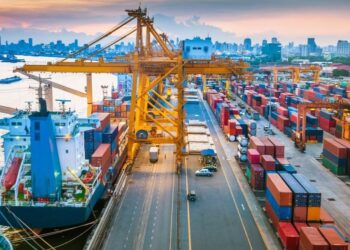
According to www.cello-square.com, Southeast Asia has emerged as a key player in global supply chains, attracting businesses seeking to diversify manufacturing and sourcing footprints beyond traditional hubs.
Lower Manufacturing Costs
Southeast Asian nations offer readily accessible and affordable skilled labor. Operating costs are significantly lower, enabling companies to enhance profit margins. Nations such as Vietnam, Indonesia, and Thailand boast labor expenses that are 50–60% lower than those in China, alongside diminished operational overheads like real estate and utilities. The region also benefits from tariff advantages: for instance, Vietnam enjoys duty-free exports to the EU under the EVFTA 2020 agreement, improving price competitiveness.
Improving Infrastructure
Over the past decade, major infrastructure upgrades have strengthened regional logistics capacity. Port facilities—including Tan Cang-Cat Lai in Ho Chi Minh City, Laem Chabang in Thailand, and Jakarta in Indonesia—have undergone substantial enhancements to boost capacity and efficiency. Industrial parks with ready-to-use facilities are increasingly established across the region. Cross-border rail and road connectivity projects—such as the Lao-China railway—have improved movement of goods across Southeast Asia and China, reducing logistical bottlenecks.
Skilled Workforce
- Indonesia and Vietnam offer an abundance of disciplined and hardworking workers.
- Technical and engineering talent is available in Malaysia, Thailand, and Singapore.
- Over 60% of the population in countries like Indonesia is under the age of 35.
- The average worker has completed secondary education, ensuring basic literacy and numeracy.
Government Support
Governments across Southeast Asia have implemented policies to attract foreign investment—including tax breaks, investment grants, and special economic zones. Regulatory reforms aim to streamline trade procedures; one example cited is the Vietnam Value Program, which simplifies customs processes. Governments have also prioritized infrastructure development and actively pursued trade agreements to expand market access.
Geographic Proximity
Southeast Asia’s strategic location places it at the crossroads of global trade routes. Its proximity to major markets—including China, India, Australia, and the Middle East—enables shorter transit times and reduced transportation costs. Access to key shipping lanes and well-developed road and rail networks further enhances connectivity and responsiveness to market demands.
“South East Asia’s evolution into a global supply chain destination seems inevitable as the region’s cost competitiveness, infrastructure, and workforce advantages drive manufacturing investments. However, each country has its unique nuances, so careful assessment is required to pick the optimal locations for specific supply chain activities.” — Cello Square, Expert Column, April 09, 2024
Source: www.cello-square.com
Compiled from international media by the SCI.AI editorial team.