Explore

  • Trending
  • Latest
  • Tools
  • Browse
  • Subscription Feed

Logistics

  • Ocean
  • Air Cargo
  • Road & Rail
  • Warehousing
  • Last Mile

Regions

  • Southeast Asia
  • South Asia
  • Central Asia
  • Japan & Korea
  • Middle East
  • Europe
  • Russia
  • Africa
  • North America
  • Latin America
  • Australia
SCI.AI
  • Supply Chain
    • Strategy & Planning
    • Logistics & Transport
    • Manufacturing
    • Inventory & Fulfillment
  • Procurement
    • Strategic Sourcing
    • Supplier Management
    • Supply Chain Finance
  • Technology
    • AI & Automation
    • Robotics
    • Digital Platforms
  • Risk & Resilience
  • Sustainability
  • Research
  • Expert Columns
  • English
    • Chinese
    • English
No Result
View All Result
  • Login
  • Register
SCI.AI
No Result
View All Result
Home Risk & Resilience Disruptions

Supply Chain Risk Normalization: 3 Overlapping Threats in Q1 2026

2026/04/23
in Disruptions, Risk & Resilience
0 0
Supply Chain Risk Normalization: 3 Overlapping Threats in Q1 2026

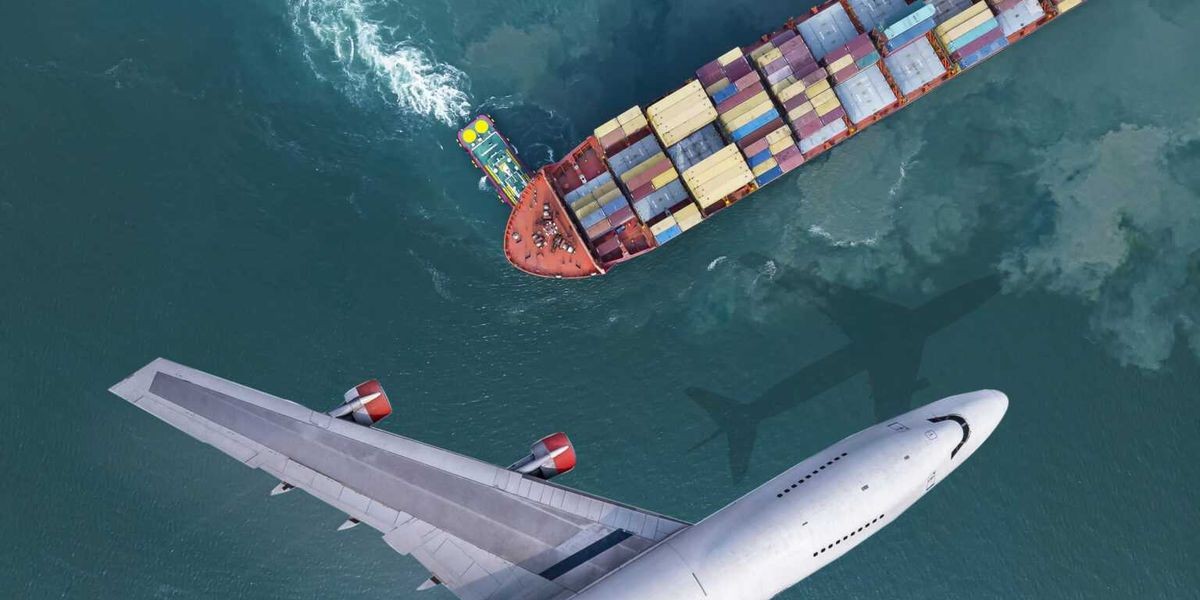
According to www.thescxchange.com, global supply chains in the first quarter of 2026 are being shaped by a convergence of geopolitical tension, trade policy volatility, and regulatory expansion — with overlapping risks now becoming normalized rather than exceptional.

Geopolitical Chokepoints Under Sustained Pressure

Ongoing instability in the Middle East — particularly continued security risks affecting Red Sea shipping routes — is having a sustained impact on global logistics flows. Many shipping operators are rerouting vessels around the Cape of Good Hope, resulting in longer transit times, increased freight costs, and reduced schedule reliability. Simultaneously, escalating tensions involving the U.S. and the Israeli war on Iran are heightening concerns about disruption to transit through the Strait of Hormuz. Given that a significant proportion of global oil and gas flows transit this route, any restriction or perceived risk has immediate implications for energy prices and downstream supply chains, the report noted.

Tariffs as Permanent Strategic Variables

Tariffs remain a central feature of global trade dynamics in 2026, with businesses increasingly treating them as a permanent element of supply-chain strategy rather than a temporary disruption. That element is expanding due to recent developments such as:

  • Continued implementation of sector-specific tariffs, including in clean technology and automotive sectors;
  • Ongoing uncertainty around major trade frameworks, including review processes affecting North American trade arrangements;
  • Growing alignment of trade policy with broader national security objectives.

As a result, many organizations are accelerating their supplier diversification strategies, regionalization of production, and “friend-shoring” approaches.

Regulatory Execution Accelerates in Europe

2026 is shaping up to be a pivotal year for operationalizing supply-chain regulation, particularly in Europe. While the legislative landscape is still evolving fast with various simplification (so-called Omnibus) initiatives, businesses are now actively implementing frameworks in response to initiatives including:

  • The Carbon Border Adjustment Mechanism (CBAM);
  • Forced-labor and deforestation-related legislation;
  • Product traceability and circular-economy requirements;
  • The Corporate Sustainability Due Diligence Directive (CSDDD).

In response, corporate focus has shifted from awareness to execution — particularly in areas such as supplier mapping and risk assessment; contractual flow-down of compliance obligations; integration of ESG requirements into procurement processes; and the development of dedicated due diligence policies.

Practitioner Implications

For supply chain professionals, this triad of overlapping pressures demands integrated risk modeling — not siloed mitigation. Rerouting around the Red Sea adds ~10–14 days to Asia–Europe voyages and lifts container freight rates by double digits, per industry benchmarks cited in parallel reporting by Drewry and Xeneta. Meanwhile, CBAM’s phased implementation since October 2023 and CSDDD’s binding obligations for large EU companies (and non-EU firms with >€150 million EU turnover) require real-time data collection across Tier 2+ suppliers — a capability only 28% of Fortune 500 supply chains currently possess, according to the 2025 MIT CTL Supply Chain Sustainability Index. The normalization of concurrent disruptions means resilience can no longer be outsourced to buffer stock or dual sourcing alone: it must be architected into contract terms, logistics architecture, and digital traceability infrastructure.

Source: www.thescxchange.com

Compiled from international media by the SCI.AI editorial team.
More on This Topic

  • Bubble Robotics Raises $5M for Offshore Autonomous Systems (Apr 23, 2026)
  • Oakland Port March Container Volume Up 7.1% (Apr 23, 2026)
  • IEEPA Tariff Refund Process Begins After $163B Invalidated (Apr 23, 2026)
  • 4PL Adoption Rising: How Fourth-Party Logistics Is Reshaping Global Trade (Apr 23, 2026)
  • 2026 Supply Chain Disruption: 72% Cite U.S. Tariff Volatility as Top Regulatory Risk (Apr 23, 2026)
ShareTweet

Related Posts

Bubble Robotics Raises $5M for Offshore Autonomous Systems
Disruptions

Bubble Robotics Raises $5M for Offshore Autonomous Systems

April 23, 2026
1
Oakland Port March Container Volume Up 7.1%
Disruptions

Oakland Port March Container Volume Up 7.1%

April 23, 2026
0
IEEPA Tariff Refund Process Begins After $163B Invalidated
Geopolitics

IEEPA Tariff Refund Process Begins After $163B Invalidated

April 23, 2026
2
4PL Adoption Rising: How Fourth-Party Logistics Is Reshaping Global Trade
Geopolitics

4PL Adoption Rising: How Fourth-Party Logistics Is Reshaping Global Trade

April 23, 2026
2
2026 Supply Chain Disruption: 72% Cite U.S. Tariff Volatility as Top Regulatory Risk
Disruptions

2026 Supply Chain Disruption: 72% Cite U.S. Tariff Volatility as Top Regulatory Risk

April 23, 2026
1
Top 10 Supply Chain Risks of 2026 for Global Procurement
Disruptions

Top 10 Supply Chain Risks of 2026 for Global Procurement

April 23, 2026
0

Leave a Reply Cancel reply

Your email address will not be published. Required fields are marked *

Recommended

Africa’s Supply Chain Vulnerability: How Iran Conflict Disrupts Food Security and Logistics

Africa’s Supply Chain Vulnerability: How Iran Conflict Disrupts Food Security and Logistics

7 Views
March 23, 2026
九月美国进口增长持续强劲:Descartes报告揭晓

US Imports Continue Strong Growth in September: Descartes Report Reveals

6 Views
February 16, 2026
Test

Test

2 Views
March 17, 2026
Green Corridors, Hard Rock Realities: How Canada’s Electrified Aggregate Supply Chain Is Reshaping Great Lakes Infrastructure Logistics

Green Corridors, Hard Rock Realities: How Canada’s Electrified Aggregate Supply Chain Is Reshaping Great Lakes Infrastructure Logistics

4 Views
March 19, 2026
Show More

SCI.AI

Global Supply Chain Intelligence. Delivering real-time news, analysis, and insights for supply chain professionals worldwide.

Categories

  • Supply Chain Management
  • Procurement
  • Technology


  • Risk & Resilience
  • Sustainability
  • Research

© 2026 SCI.AI. All rights reserved.

Powered by SCI.AI Intelligence Platform

Welcome Back!

Sign In with Facebook
Sign In with Google
Sign In with Linked In
OR

Login to your account below

Forgotten Password? Sign Up

Create New Account!

Sign Up with Facebook
Sign Up with Google
Sign Up with Linked In
OR

Fill the forms below to register

All fields are required. Log In

Retrieve your password

Please enter your username or email address to reset your password.

Log In

Scan to share via WeChat

Open WeChat and scan the QR code to share

QR Code

Add New Playlist

No Result
View All Result
  • Supply Chain
    • Strategy & Planning
    • Logistics & Transport
    • Manufacturing
    • Inventory & Fulfillment
  • Procurement
    • Strategic Sourcing
    • Supplier Management
    • Supply Chain Finance
  • Technology
    • AI & Automation
    • Robotics
    • Digital Platforms
  • Risk & Resilience
  • Sustainability
  • Research
  • Expert Columns
  • English
    • Chinese
    • English
  • Login
  • Sign Up

© 2026 SCI.AI