Skip to content

Coverage desk

Russia

23 published stories

Hormuz Crisis Deepens: Aluminum, Plastics, and Fertilizer Supply Chains Face Systemic Collapse Risk
Disruptions

Hormuz Crisis Deepens: Aluminum, Plastics, and Fertilizer Supply Chains Face Systemic Collapse Risk

The Strait of Hormuz crisis has evolved from an energy blockade into a global industrial material supply chain disaster. Morgan Stanley reports indicate aluminum, plastics, and fertilizer supply chains face collapse risks, threatening $42 billion in trade flows. Developing economies like India, Brazil, and Turkey along with manufacturing powers including Japan and Europe face dual pressures, while China—a major importer of Middle Eastern aluminum (1.27 million tons annually) and nitrogen fertilizers (44% import share)—confronts cost and supply risks. The crisis could raise global inflation 0.4-0.7 percentage points and slow GDP growth by 0.3-0.5 percentage points.

Southeast Asia Supply Chain Realignment Accelerates: 30% Drop in China Exports vs 23% Growth in ASEAN
Geopolitics

Southeast Asia Supply Chain Realignment Accelerates: 30% Drop in China Exports vs 23% Growth in ASEAN

According to MTTSL data, China's exports to the US fell 30% in 2025 while Southeast Asia's exports grew 23%, signaling accelerated supply chain realignment. Strait of Malacca hub ports benefit significantly, with Malaysia and other ASEAN nations enhancing logistics capabilities. Despite geopolitical risks, Southeast Asian supply chains demonstrate resilience through regional trade integration. The next 18-24 months represent a critical phase, requiring strategic adaptation from businesses and governments alike.

Hormuz Paralysis: How Middle East Conflict Is Rewiring Asia-Pacific Supply Chains
Disruptions

Hormuz Paralysis: How Middle East Conflict Is Rewiring Asia-Pacific Supply Chains

The Strait of Hormuz crisis has triggered a cascading failure across Asia-Pacific supply chains — not just in oil and shipping, but in semiconductor gases, fertilizer, remittances, and humanitarian logistics. With daily transits collapsing to under 3,200 vessels, freight costs surging 340%, and helium-4 shortages degrading chip yields by 23%, the region faces a structural recalibration. Vulnerable economies like Sri Lanka and Pakistan confront fuel rationing, currency collapse, and food insecurity, while tech hubs confront elemental scarcity no amount of inventory can buffer. This is not a cyclical shock — it is a permanent reconfiguration of risk architecture.

Arctic Ambitions: How China-Russia Logistics Integration Is Reshaping Global Supply Chain Architecture Amid Middle East Instability
Logistics & Transport

Arctic Ambitions: How China-Russia Logistics Integration Is Reshaping Global Supply Chain Architecture Amid Middle East Instability

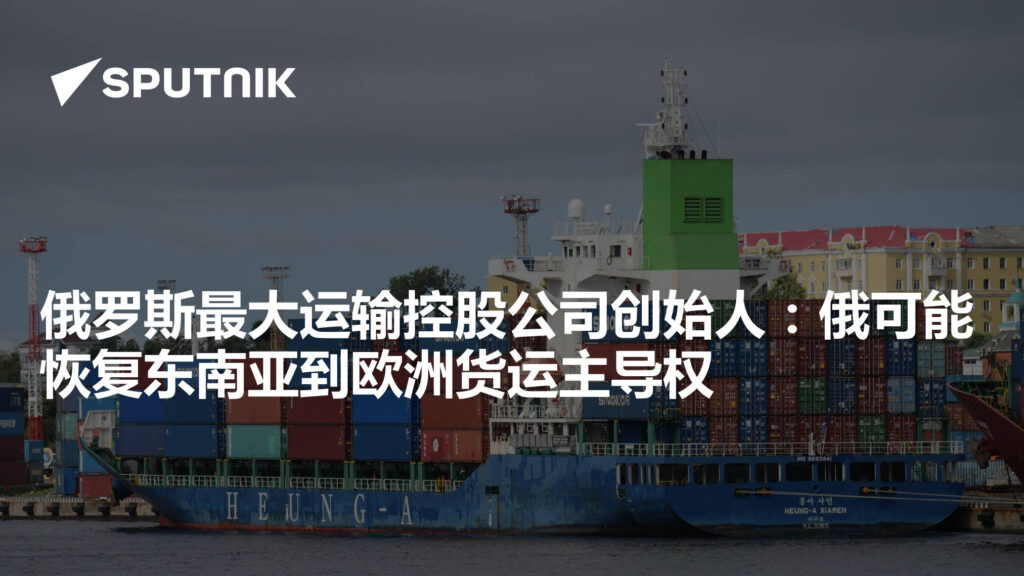
As Middle East conflict disrupts Suez-bound shipping, China and Russia are accelerating integration of the Northern Sea Route, Trans-Siberian Railway, and digital logistics platforms—creating the world’s first fully sovereign, non-Western supply chain architecture. With $3.7 billion committed to infrastructure, joint certification regimes, and a unified data trust platform, this initiative redefines resilience as jurisdictional control rather than redundancy. NSR transit times now average 22 days versus 38 via Suez, while TSR on-time performance hit 94.7% in Q2 2024. The implications extend beyond logistics: they challenge WTO governance, redefine industrial policy, and force multinationals to choose between compliance ecosystems.

Iranian Supertanker Breaks Through Hormuz Strait: Global Energy Supply Chain Crisis Amid Middle East Conflict
Logistics & Transport

Iranian Supertanker Breaks Through Hormuz Strait: Global Energy Supply Chain Crisis Amid Middle East Conflict

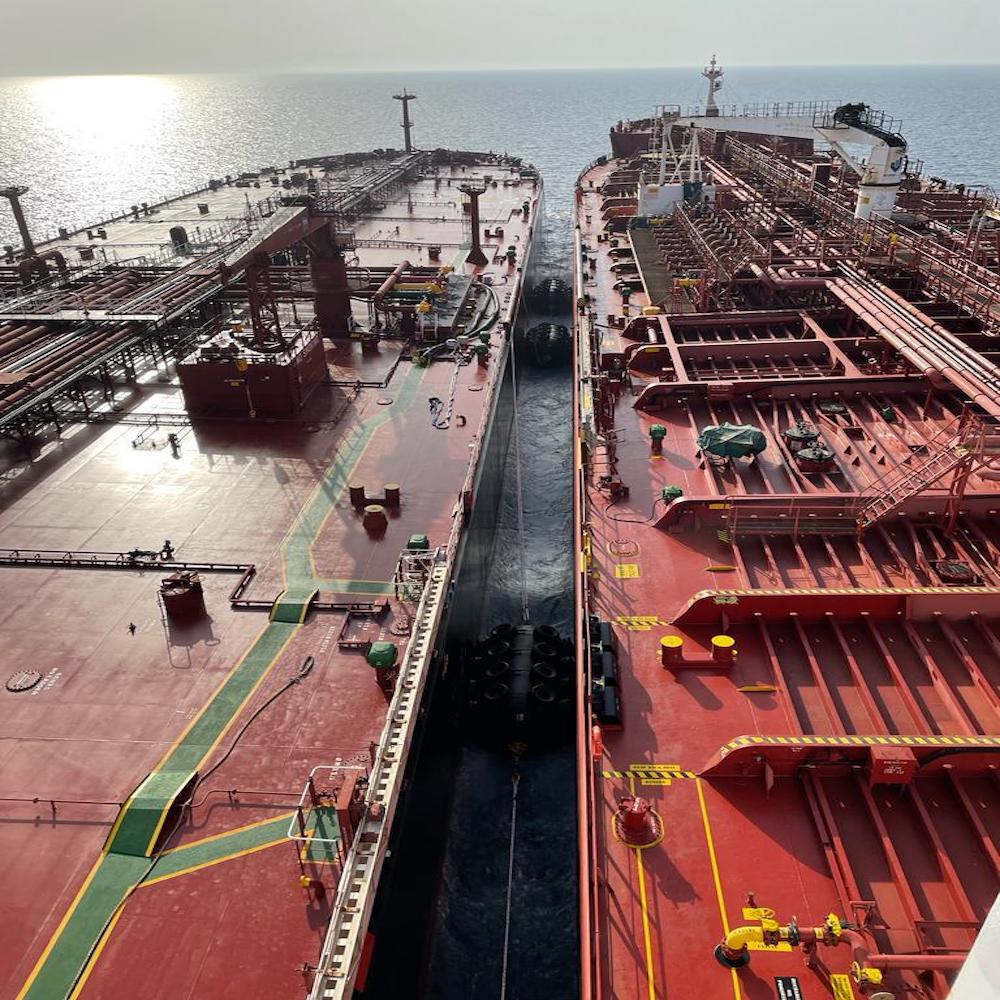
Hormuz Strait shipping paralyzed by US-Iran conflict; Iranian supertanker bound for China revealed by Bloomberg data. US strike on Kharg exposes Iran's crude export vulnerability; electronic interference disrupts AIS tracking systems; 'ghost fleet' tactics threaten global supply chain transparency. Deep analysis of practical impacts and response strategies for Chinese energy security and supply chain management.

Eurasian Rail Renaissance: How Middle East Instability and Russian Infrastructure Are Forging a New Continental Supply Chain Axis
Disruptions

Eurasian Rail Renaissance: How Middle East Instability and Russian Infrastructure Are Forging a New Continental Supply Chain Axis

Middle East maritime instability—driven by Red Sea disruptions, soaring bunker fuel prices ($1,028/t), and war-risk insurance spikes—has catalyzed a strategic revival of Eurasian rail corridors via Russia. With China-Europe rail volumes up 25% YoY and the Central Eurasian Corridor surging 31%, forwarders are embracing Russia’s modernized rail infrastructure as a reliability anchor. This shift reflects deeper tectonic changes: the collapse of maritime predictability, China’s export-led demand surge (PMI 52.1), and the emergence of continental supply chains governed by infrastructure interoperability and climate-aligned economics—not ideology.

Diesel Disruption at the Heart of EU Supply Chains: Why Fuel Scarcity Threatens Systemic Resilience
Supply Chain

Diesel Disruption at the Heart of EU Supply Chains: Why Fuel Scarcity Threatens Systemic Resilience

The EU's logistics network faces acute diesel-driven instability, with over 90% of trucks dependent on a fuel now vulnerable to Strait of Hormuz disruptions, refining capacity shortfalls, and fiscal fragmentation. Fuel costs consume ~33% of operator expenses, while margins hover near 2%, leaving minimal shock absorption capacity. Early rationing signals in Belgium, Poland, and Italy indicate systemic strain. Without coordinated EU action—on strategic reserve releases, excise duty flexibility, and crisis liquidity—SME carrier insolvencies could trigger tiered supply chain collapse, threatening just-in-time manufacturing, pharmaceutical logistics, and food distribution. This is not a pricing issue but a foundational infrastructure crisis demanding integrated energy, fiscal, and digital policy responses.

Arctic Corridors and Eurasian Resilience: How China-Russia Logistics Integration Is Rewriting Global Supply Chain Geography
Logistics & Transport

Arctic Corridors and Eurasian Resilience: How China-Russia Logistics Integration Is Rewriting Global Supply Chain Geography

The China-Russia Logistics Business Forum in March 2026 marked a decisive shift from contingency planning to systemic infrastructure sovereignty. With $18.4 billion committed to Arctic port upgrades, the NSR now handles 34.2 million tons annually, while the CIPS-Rubl Bridge processes $2.1 billion daily in trade settlements. The EAEU’s new Multimodal Interoperability Protocol slashes border dwell times by 94% and integrates rail, customs, and finance into a single legal-operational layer. This is not diversification—it’s the institutionalization of an alternative global supply chain architecture built for geopolitical resilience, not just cost efficiency.

Hormuz Strait Crisis Exposes Methanol Supply Chain Fault Lines Across Southeast Asia
Disruptions

Hormuz Strait Crisis Exposes Methanol Supply Chain Fault Lines Across Southeast Asia

The Hormuz Strait crisis has laid bare the alarming fragility of Southeast Asia’s methanol supply chain, where 40% of imports depend on a single maritime chokepoint and only four producers serve the entire region. With prices hitting a four-year high of $400–410/tonne and panic buying doubling allocation requests, the episode reveals deep structural flaws: overconcentration, inadequate buffer stocks, outdated logistics infrastructure, and absent regional coordination. This analysis dissects the geopolitical, operational, pricing, and strategic dimensions of the shock—not as a transient disruption, but as a definitive warning about the cost of optimizing for efficiency over resilience in critical chemical supply networks.

Welcome Back!

Login to your account below

Create New Account!

Fill the forms below to register

Retrieve your password

Please enter your username or email address to reset your password.

Add New Playlist