Skip to content

Coverage desk

Middle East

104 published stories

Dubai Customs extends duty suspension to 180 days
Disruptions

Dubai Customs extends duty suspension to 180 days

Dubai Customs has extended customs duty suspensions by 60 days — increasing the total allowable suspension period from 120 days to 180 days. The change, formalized in Customs Declaration No. 17/2026 on September 23, 2026, applies to imports for re-export, temporary entry, and transit operations whose original suspensions expire between February 27, 2026 and October 31, 2026. The extension takes effect upon expiration of the initial suspension period. Dubai Customs retains authority to issue further extensions under its established regulations. The measure targets financial and administrative relief while maintaining trade continuity and strengthening supply chain resilience.

Indonesia Pushes 3,300-Ton Rice into Hajj Supply Chain
Middle East Supply Chain

Indonesia Pushes 3,300-Ton Rice into Hajj Supply Chain

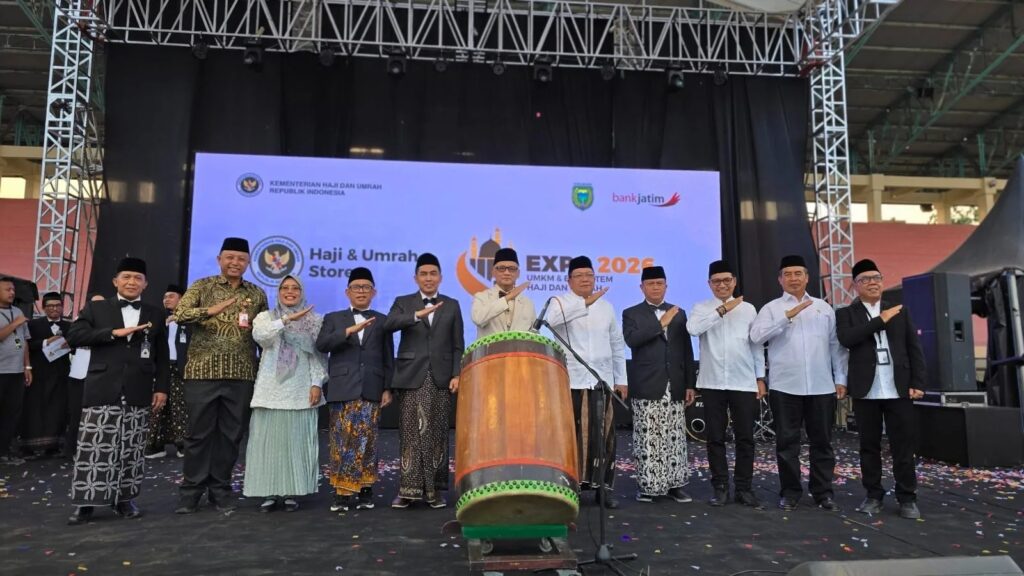
Indonesia’s Minister of Hajj and Umrah Mochamad Irfan Yusuf launched the Haji and Umrah Store platform in Madiun on 25/9 to embed domestic products—including 3.300 ton of rice prepared for Hajj 2026—into Saudi Arabia’s Hajj supply chain. The effort aligns with the Tri Sukses Haji framework, prioritizing ritual, economic, and service success. Geopolitical disruptions hindered logistics for the 2026 deployment, underscoring systemic challenges in standards compliance, cost efficiency, and supply chain resilience. The expo also marked the Kick Off Manasik Haji Akbar Nasional 2026, supporting preparations for Hajj 1448 H/2027 M.

Saudi PIF launches Tawrid supply chain finance platform
Geopolitics

Saudi PIF launches Tawrid supply chain finance platform

Saudi Arabia’s Public Investment Fund (PIF) has launched Tawrid Company for Financing Solutions, a digital supply chain finance platform authorized by the Saudi Central Bank. Tawrid operates in Sama’s regulatory sandbox and has signed binding agreements with Gulf International Bank, Saudi National Bank, Banque Saudi Fransi, ROSHN Group, and Nesma & Partners. The platform offers early invoice settlement, targeting SMEs to improve liquidity. Its launch supports PIF’s 2026–2030 strategy and follows Sama’s August 26 public consultation on supply chain finance rules, with a 30-day comment period.

Egypt, Saudi Arabia Pledge Red Sea Security Amid $800M Monthly Canal Loss
Geopolitics

Egypt, Saudi Arabia Pledge Red Sea Security Amid $800M Monthly Canal Loss

Egyptian President Sisi and Saudi Crown Prince Mohammed bin Salman pledged coordinated action to protect the Red Sea and Bab el-Mandeb Strait amid escalating Houthi attacks. The corridor carries 12% of global trade; disruptions cost Egypt $800 million monthly and $7 billion in 2024. Suez Canal revenue rebounded 23% to $4.67 billion in 2025/2026 but remains well below the $8.75 billion peak of 2022/2023. Houthi advances along Yemen’s Red Sea coast—and renewed strikes on Saudi targets, including near Khamis Mushait—heighten regional vulnerability, especially with Saudi Arabia’s 1,200-kilometre East-West oil pipeline already closed.

Supertanker Shortage Pushes Oil Freight to $1.2M/Day
Disruptions

Supertanker Shortage Pushes Oil Freight to $1.2M/Day

A critical shortage of supertankers has sent VLCC earnings to over US$1.2 million/day on the Persian Gulf–China route, adding US$26/barrel (US$52 million per cargo) to Houston–Asia shipments. Freight now accounts for ~25% of WTI’s value — up from a negligible share pre-conflict. European Dated Brent hit US$131 versus Brent futures at US$110, while Suezmax earnings exceeded US$300,000/day. Ship-tracking data shows U.S.–Asia flows falling as refiners pivot to shorter hauls, including a Japanese purchase of Alaskan crude. The tanker equity index reached US$70 billion this week.

Container fuel prices surge 100% in 2026 as Hormuz disruptions persist
Warehousing & Transport

Container fuel prices surge 100% in 2026 as Hormuz disruptions persist

Container shipping fuel prices remain sharply elevated in 2026, with Singapore VLSFO rising over 100% from $433.50/ton on Jan. 1 to $878.50/ton by Sept. 11. Regional premiums persist: Fujairah VLSFO trades at $1,005/ton versus $731/ton in Rotterdam. The St. Louis Fed estimates fuel costs surged from $155 to $269 per 20-ft container on China–U.S. West Coast routes for newer ships, and from $360 to $626 for older vessels. Ship & Bunker revised its Q4 2026 global VLSFO forecast upward to $758/ton. Bunkering activity at Fujairah remains at just 40% of prewar levels.

DP World scales truck fleet 40%, invests $800M in Middle East ports
Geopolitics

DP World scales truck fleet 40%, invests $800M in Middle East ports

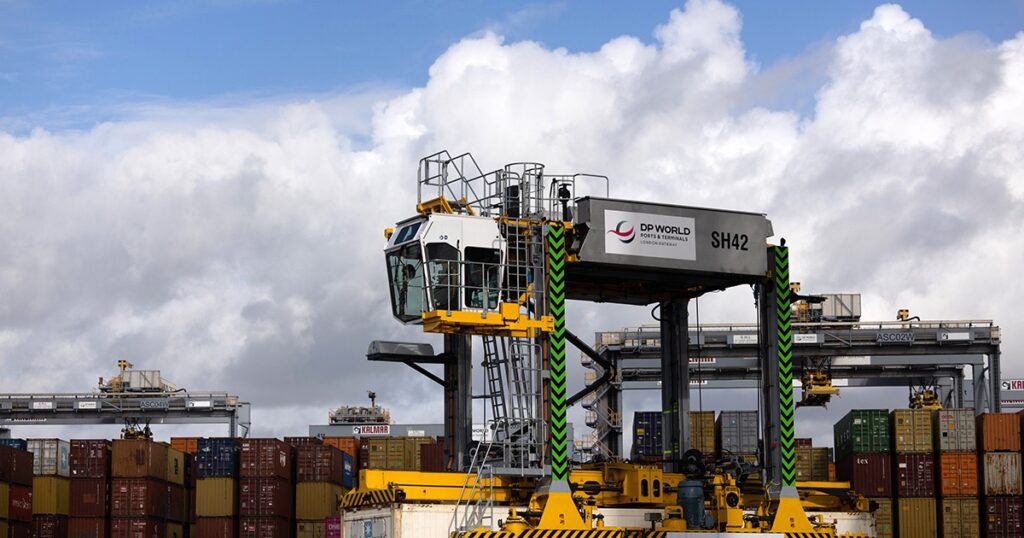
DP World is expanding its overland logistics network following the Iran conflict, betting that Strait of Hormuz shipping will not return to prewar conditions. The firm plans to grow its truck fleet by 40% — from 700 to 1,000 units — and launch new land corridors including a Europe-Iraq-UAE route. Jebel Ali volumes dropped nearly 60% in the first half of 2026, prompting $800 million in port upgrades at Jeddah and Tartus. Funding includes $1.6 billion in bonds issued last week. Land transport costs three to four times more than sea freight, yet DP World expects sustained demand for reliability.

UAE-India Trade Hits $101.25B, Targets $200B by 2032
South Asia Supply Chain

UAE-India Trade Hits $101.25B, Targets $200B by 2032

UAE-India bilateral trade reached US$101.25 billion in the 2025–2026 financial year — the second straight year above $100 billion. The two nations aim to double trade to $200 billion by 2032. The UAE-India CEPA, effective since 2022, has accelerated goods, services, and investment flows. Both countries cooperate under the India-Middle East-Europe Economic Corridor (IMEC) and jointly advanced initiatives like Bharat Mart and the Virtual Trade Corridor. The UAE joined BRICS in January 2024 and participates in the New Development Bank. The 18th BRICS Summit opened on 12 September 2024 in New Delhi under the theme "Building for Resilience, Innovation, Cooperation and Sustainability".

Oil Tankers Earn $1M Daily Amid War-Driven Ship Shortage
Disruptions

Oil Tankers Earn $1M Daily Amid War-Driven Ship Shortage

Oil tankers are generating $1 million in daily earnings amid a war-induced shortage of available vessels, according to Bloomberg. The conflict has removed significant tonnage from service, pushing VLCC rates to levels unseen since 2000. War-risk insurance premiums rose 37% in early 2026, and rerouting has extended voyage times across key corridors including the Red Sea. Market tightness is expected to persist through 2026 as fleet growth lags and operators prioritize high-margin routes.

Saudi East-West Pipeline Shuts After Drone Attack, Moves 4M–5M bpd
Middle East Supply Chain

Saudi East-West Pipeline Shuts After Drone Attack, Moves 4M–5M bpd

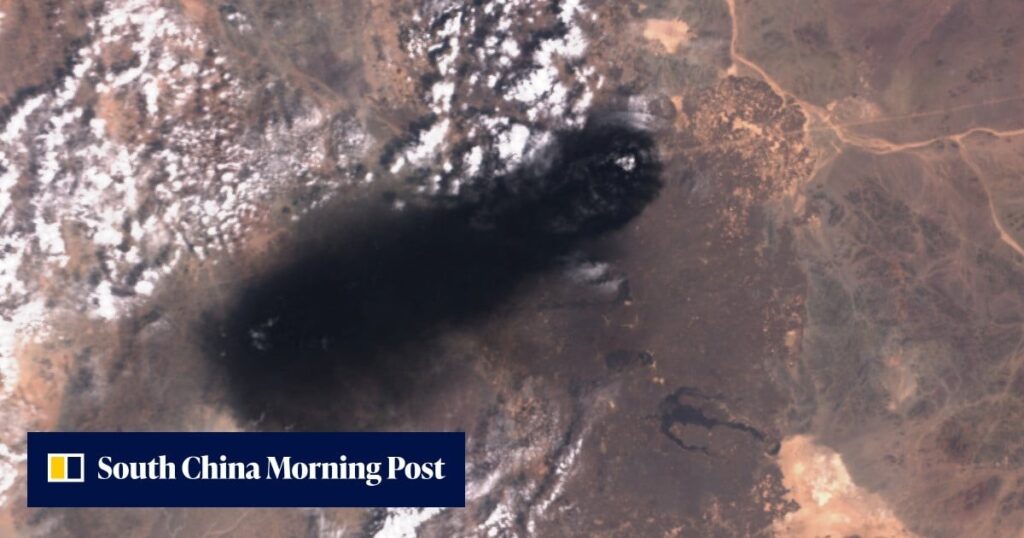
Saudi Arabia has shut down its East-West pipeline after a drone attack originating in Iraq, according to www.scmp.com. The 1,200km conduit, which moved 4 million to 5 million barrels per day — 4 to 5% of global oil supply — was closed as a precaution. The incident worsens energy supply constraints already strained by Houthi activity in the Red Sea and shipping slowdowns in the Strait of Hormuz. Oil prices have risen above US$100 per barrel. US President Donald Trump stated Iran was likely responsible for the attack.

Boring Co. raises $3B, hits $23B valuation with UAE deal
Middle East Supply Chain

Boring Co. raises $3B, hits $23B valuation with UAE deal

The Boring Company has reached a $23 billion valuation after raising $3 billion in a financing round led by the United Arab Emirates. The funds will support construction of over 150 kilometers of tunnels in the Middle East, including the Dubai Loop. The company also advanced its Nashville Loop — a 20-mile project — while facing setbacks in Los Angeles (abandoned in 2018), Chicago, and Washington, D.C. It earned $1 million from Tesla in 2025 for a 'Cybertunnel' at the Austin Gigafactory and continues operating its sole public system in Las Vegas.

Hapag-Lloyd revises Zim deal with 16-vessel fleet, Golden Share safeguards
Benchmark Practices

Hapag-Lloyd revises Zim deal with 16-vessel fleet, Golden Share safeguards

Hapag-Lloyd is revising its proposed acquisition of Zim Line by the end of September 2026 to address Israeli security concerns. The updated deal establishes New Zim—a 16-vessel carrier operated by FIMI Opportunity Funds—and strengthens the Golden Share framework to safeguard Israel’s maritime independence. It also addresses concerns over foreign ownership, noting that Qatari and Saudi sovereign wealth funds hold a combined 22.5% stake in Hapag-Lloyd. CEO Rolf Habben Jansen affirmed the proposal’s aim to protect sensitive cargo and reinforce Germany-Israel relations.

Welcome Back!

Login to your account below

Create New Account!

Fill the forms below to register

Retrieve your password

Please enter your username or email address to reset your password.

Add New Playlist