Skip to content

Geopolitics · Trade & Tariffs

Analysis

Egypt, Saudi Arabia Pledge Red Sea Security Amid $800M Monthly Canal Loss

Egyptian President Sisi and Saudi Crown Prince Mohammed bin Salman pledged coordinated action to protect the Red Sea and Bab el-Mandeb Strait amid escalating Houthi attacks. The corridor carries 12% of global trade; disruptions cost Egypt $800 million monthly and $7 billion in 2024. Suez Canal revenue rebounded 23% to $4.67 billion in 2025/2026 but remains well below the $8.75 billion peak of 2022/2023. Houthi advances along Yemen’s Red Sea coast—and renewed strikes on Saudi targets, including near Khamis Mushait—heighten regional vulnerability, especially with Saudi Arabia’s 1,200-kilometre East-West oil pipeline already closed.

Original source: Source information pending

Egypt, Saudi Arabia Pledge Red Sea Security Amid $800M Monthly Canal Loss

According to africa.businessinsider.com, Egyptian President Abdel Fattah el-Sisi and Saudi Crown Prince Mohammed bin Salman emphasized urgent joint action to secure the Red Sea and Bab el-Mandeb Strait during talks in Cairo on Tuesday.

Strategic chokepoint under mounting threat

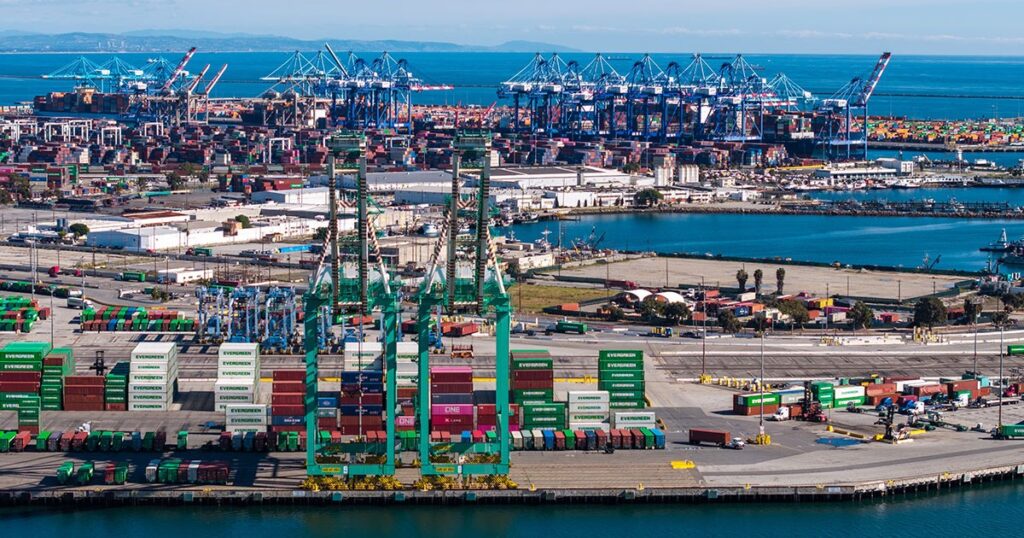
The Bab el-Mandeb Strait—situated between Yemen and the African nations of Djibouti and Eritrea—links the Red Sea to the Gulf of Aden and forms part of the shortest maritime route between Asia and Europe. An estimated 12% of global trade transits the Red Sea corridor. Vessels rerouted around the Cape of Good Hope in South Africa incur added time, fuel, and insurance costs—directly impacting shipping economics and regional revenues.

The strait’s security is especially critical for Egypt: all vessels approaching the Suez Canal from Asia must first pass through Bab el-Mandeb. The canal remains one of Egypt’s top foreign-currency earners, alongside tourism, exports, and remittances from Egyptians abroad. Houthi attacks beginning in late 2023 triggered widespread vessel diversions, costing Egypt approximately $800 million every month, according to Sisi’s statement in March 2025.

Egypt lost an estimated $7 billion in Suez Canal revenue during 2024. Though revenue recovered by 23% to approximately $4.67 billion in the 2025/2026 financial year, it remains far below the record $8.75 billion generated in 2022/2023. Renewed hostilities near Bab el-Mandeb risk reversing this fragile recovery just as some international carriers resume Red Sea transits.

Houthi advances escalate regional vulnerability

Yemen’s Iran-aligned Houthis have captured key positions along the country’s western Red Sea coast—including strategically located islands near the entrance of Bab el-Mandeb—and intensified missile and drone strikes against Saudi targets. Thirteen civilians were reportedly injured after attacks struck areas around the Khamis Mushait military airbase in southern Saudi Arabia.

Saudi Arabia’s exposure has deepened following a separate incident that forced the closure of its East-West oil pipeline—a 1,200-kilometre conduit carrying crude from Gulf fields to the Red Sea port of Yanbu. This infrastructure allows Riyadh to bypass the Strait of Hormuz. With Hormuz already heavily disrupted, any serious obstruction at Bab el-Mandeb would threaten both primary maritime routes for Gulf oil exports to global markets.

Reuters reported that Sisi backed Saudi security measures and supported efforts toward a lasting political settlement in Yemen—underscoring the linkage between maritime security and regional diplomacy. According to Egypt’s presidency, both leaders stressed the need to guarantee safe navigation through the Red Sea and Bab el-Mandeb Strait during the Cairo discussions.

Source: africa.businessinsider.com

Compiled from international media by the SCI.AI editorial team.

Ask SCI.AI Finished reading? Continue with SCI.AI. Explore the related policy, route, company and historical context. Continue asking
US Imposes New Tariffs on Chinese CGI Brake Drums, Citing Circumvention
Tariff Watch

US Imposes New Tariffs on Chinese CGI Brake Drums, Citing Circumvention

Event: Certain Brake Drums From the People’s Republic of China: Preliminary Affirmative Determination of Circumvention of the Antidumping Duty and Countervailing Duty Orders Authority: Federal Register (US) Published: 2026-09-22 Reference: 2026-19372 Source tier: Official publication Original: https://www.federalregister.gov/documents/2026/09/22/2026-19372/certain-brake-drums-from-the-peoples-republic-of-china-preliminary-affirmative-determination-of US Imposes New Tariffs on Chinese CGI Brake Drums, Citing Circumvention Key Points The U.S. Department of Commerce […]

U.S. Firms Weigh Uses for $134.7B Tariff Refund Cash
Geopolitics

U.S. Firms Weigh Uses for $134.7B Tariff Refund Cash

A Federal Reserve Bank of Atlanta survey released September 21, 2026, found that U.S. firms receiving tariff refunds — totaling $134.7 billion as of September 11 — are largely holding the funds as cash. Among 1,100 executives surveyed in August, 25% reported receiving or seeking refunds averaging 1.7% of annual revenue. Of those specifying plans, 75% intend to retain the cash; 17% plan customer rebates; 15% will lower prices. Refunds began flowing in May after a Supreme Court ruling invalidated $166 billion in emergency tariffs. August marked the first month customs collections exceeded repayments.

East Africa Logistics Costs Rise as Fuel Share Hits 55%
Geopolitics

East Africa Logistics Costs Rise as Fuel Share Hits 55%

East Africa’s logistics costs are surging, with fuel now making up 55% of road transport expenses—up from 38% in 2021. Cargo movement between Mombasa and Kampala took 111 hours in July–September 2025, far exceeding the 72-hour target. The 1,700-km Northern Corridor faces growing competition from Tanzania’s 1,300-km Central Corridor. Industry leaders urge harmonised customs, digital integration, and end-to-end corridor planning—not isolated infrastructure projects—to restore trade competitiveness.

Welcome Back!

Login to your account below

Create New Account!

Fill the forms below to register

Retrieve your password

Please enter your username or email address to reset your password.

Scan to share via WeChat

Open WeChat and scan the QR code to share

QR Code

Add New Playlist