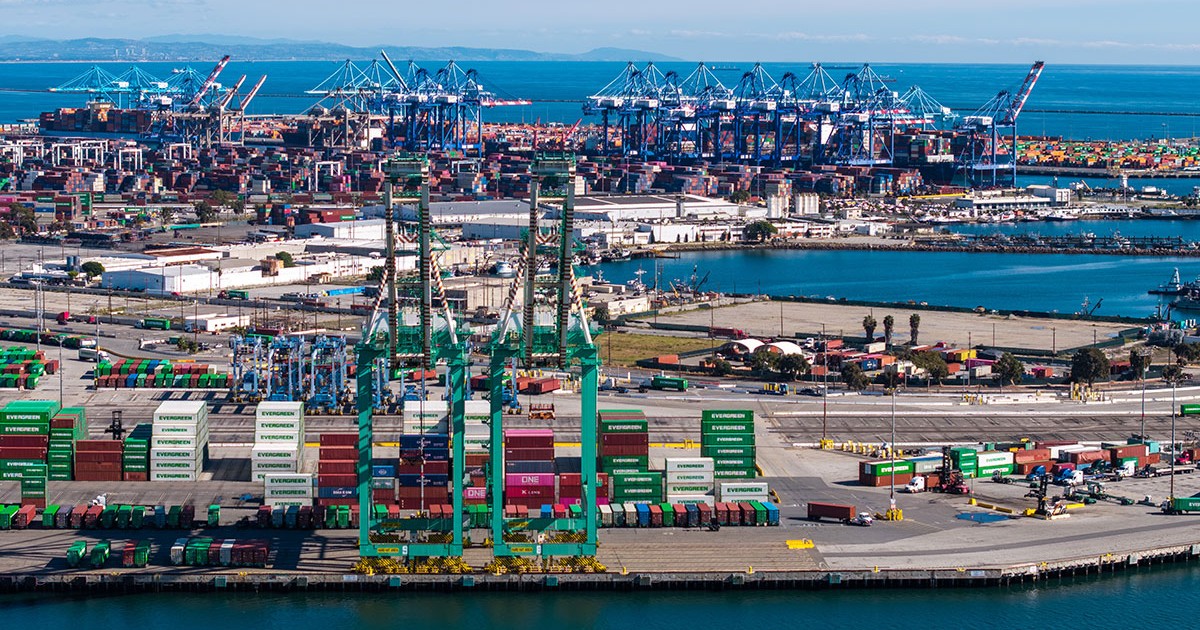
According to www.ttnews.com, a Federal Reserve Bank of Atlanta survey released on September 21, 2026 found that most U.S. companies receiving or seeking tariff refunds plan to retain the funds as cash rather than reinvest or pass them on.
Refund Scale and Timing
The survey — conducted August 10–21 among 1,100 C-suite executives — revealed that roughly one-quarter reported receiving or pursuing refunds averaging 1.7% of their annual revenue. These payments stem from the Supreme Court’s May ruling that $166 billion in emergency tariffs were unlawful. As of September 11, approximately $134.7 billion in refund payments, including interest, had been paid out or accepted for processing by U.S. Customs and Border Protection.
Corporate Allocation Plans
Of the 220 executives who specified intended uses, nearly three-quarters said they would hold the money as cash. Slightly more than half planned to invest in research and capital projects, while 17% expected to issue customer rebates and 15% planned to lower prices. Respondents could select multiple options. According to researchers including Stanford University economists Nicholas Bloom and Steven J. Davis, “These results also suggest that a nontrivial portion of tariff refunds directly benefit customers and employees.”
Macroeconomic Context
Refund disbursements are slowing: August marked the first month since repayments began that importers paid more in customs duties than they received in refunds. Concurrently, the Federal Reserve raised interest rates for the first time in three years — a move aimed at curbing inflation that has remained above target for over five years. Policymakers are also assessing how much current inflation reflects supply shocks, such as the war with Iran, versus demand-driven pressures like the AI boom’s effect on capital spending.
Source: Transport Topics
Compiled from international media by the SCI.AI editorial team.