Skip to content

South Asia Supply Chain

Analysis

US sanctions 10 Iran-linked entities in Hong Kong, Pakistan

The U.S. Treasury Department sanctioned 10 individuals and entities in Iran, Hong Kong, and Pakistan for enabling Iran’s military supply chain, citing involvement in weapons procurement for Iran’s Ministry of Defence and Armed Forces Logistics. The move is part of Operation Economic Outcast and follows Biden administration actions in 2024 targeting missile and drone proliferation. It coincides with Iran’s rial hitting a record low of 2.5 million rials per U.S. dollar on Tuesday — exceeding its prior low of 2.2 million on September 2. The war began February 28, and the currency has declined steadily since. Sanctions compound years of international pressure and this year’s U.S. naval blockade on Iranian oil.

Original source: indiatoday.in

US sanctions 10 Iran-linked entities in Hong Kong, Pakistan

Ask SCI.AI about this story

📋 本文要点

The U.S. Treasury Department sanctioned 10 individuals and entities in Iran, Hong Kong, and Pakistan for enabling Iran’s military supply chain, citing involvement in weapons procurement for Iran’s Ministry of Defence and Armed Forces Logistics. The move is part of Operation Economic Outcast and follows Biden administration actions in 2024 targeting missile and drone proliferation. It coincides with Iran’s rial hitting a record low of 2.5 million rials per U.S. dollar on Tuesday — exceeding its prior low of 2.2 million on September 2. The war began February 28, and the currency has declined steadily since. Sanctions compound years of international pressure and this year’s U.S. naval blockade on Iranian oil.

According to indiatoday.in, the U.S. Treasury Department imposed sanctions on 10 individuals and entities in Iran, Hong Kong, and Pakistan on Tuesday for allegedly facilitating Iran’s military supply chain.

Operation Economic Outcast Targets Defence Procurement

The sanctions form part of the Treasury’s Operation Economic Outcast campaign, which aims to sever “critical financial lifelines” for the Iranian government. Treasury Secretary Scott Bessent stated:

“Treasury will not tolerate any support to the regime and will continue to identify, expose, and isolate Iran’s enablers.” — Scott Bessent, Treasury Secretary

The move specifically targets procurement networks supplying weapons and weapon components to Iran’s Ministry of Defence and Armed Forces Logistics.

The report noted that the Biden administration had also targeted entities supporting Iran’s Armed Forces Logistics in 2024, focusing on missile and drone production and proliferation. Officials said the new penalties are designed to raise the cost for firms aiding Iran’s military procurement — particularly as Tehran wages what the report described as its now seven-month war against the U.S.

Economic Pressure Mounts Amid Currency Collapse

The sanctions coincided with a record plunge in Iran’s rial, which fell to 2.5 million rials per U.S. dollar on Tuesday — surpassing its previous record low of 2.2 million to the dollar reached on September 2. The war began on February 28, and the rial has declined steadily since then.

The report attributed the economic freefall to years of international sanctions, compounded this year by a U.S. naval blockade on Iranian oil and new sanctions enacted since the start of the conflict. These measures have pushed Iran’s economy into what the source described as an “unprecedented freefall.”

Overall, the latest U.S. action combines fresh sanctions on alleged facilitators of Iran’s defence sector with intensifying pressure on the country’s already strained macroeconomic conditions.

Source: indiatoday.in

Compiled from international media by the SCI.AI editorial team.
Ask SCI.AI Finished reading? Continue with SCI.AI. Explore the related policy, route, company and historical context. Continue asking
Stay ahead of supply chain shifts

One email a week: the stories that matter and new risk events — in English, free.

Prefer RSS? Articles Risk events

Australia eyes India pigeonpea exports as output nears 1M tonnes
South Asia Supply Chain

Australia eyes India pigeonpea exports as output nears 1M tonnes

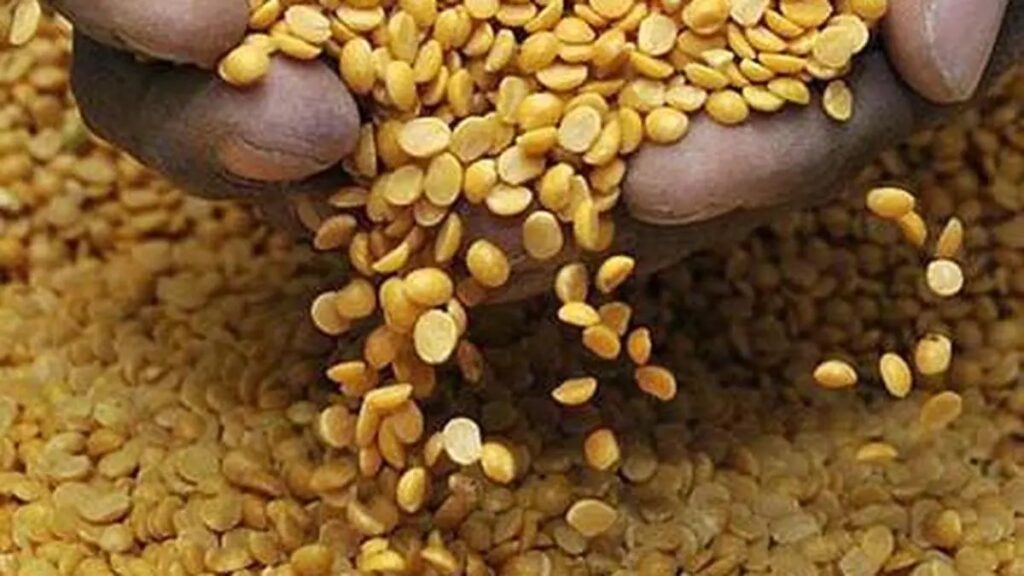
Australia is set to emerge as a potential new source of pigeonpea (tur) for India, with farmers showing interest in the crop and trade experts pointing to production potential of about 1 million tonnes against current output of a few thousand tonnes. Satish Upadhyay of the India Pulses and Grains Association says Australia has enough land and good quality. India's tur output reached about 35.92 lakh tonnes in 2025-26, but drought in Karnataka and Maharashtra may cut the 2026-27 crop to 20-25 lakh tonnes. Tur imports rose 44 per cent to 5.79 lakh tonnes in January-July 2026.

AIDAN urges India to cap cancer drug prices at source
South Asia Supply Chain

AIDAN urges India to cap cancer drug prices at source

Health action groups in India are pressing the government to regulate the entire pharmaceutical supply chain rather than just retailer margins on cancer drugs. The All India Drug Action Network welcomed the National Pharmaceutical Pricing Authority's 30% cap on hospital and retailer margins but said manufacturer pricing remains the biggest source of profiteering. AIDAN members cited average trade margins of 170%, with some reaching 700%, and warned that about 204 medicines, or 32%, will see no reduction or a cut of only up to 10%. The group is calling for cost-based price control and compulsory licensing for patented anti-cancer medicines.

India auctions 733 mineral blocks but operates only 125
South Asia Supply Chain

India auctions 733 mineral blocks but operates only 125

India has auctioned 733 mineral blocks but only 125 were operational as of August 2026, according to sectoral reviews shared by the coal and mines ministries with states. The Centre says award-to-production intervals exceed seven years for major and critical mineral blocks amid regulatory complexities. Mining contributes over ₹1.9 lakh crore annually to government exchequers, with 90% accruing to states. Concept notes flag extreme import reliance, land acquisition hurdles, uncoordinated state cesses and weak first-mile logistics as core bottlenecks.

Welcome Back!

Login to your account below

Create New Account!

Fill the forms below to register

Retrieve your password

Please enter your username or email address to reset your password.

Scan to share via WeChat

Open WeChat and scan the QR code to share

QR Code

Add New Playlist