Skip to content

South Asia Supply Chain

Analysis

India Launches Semicon India Programme in January 2022

India launched the Semicon India Programme in January 2022 to develop a full domestic semiconductor supply chain — spanning chip design, fabrication, assembly, testing, packaging, and module manufacturing. Prime Minister Narendra Modi inaugurated SEMICON India 2026 on September 17 in New Delhi, marking the fifth edition of the event running through September 19. The government’s initiative explicitly targets vertical integration in semiconductors and aligns with Vishwakarma Jayanti, honoring India’s legacy of craftsmanship. The programme’s timeline extends through 2026, underscoring its multi-year strategic scope.

Original source: wionews.com

India Launches Semicon India Programme in January 2022

Ask SCI.AI about this story

📋 本文要点

India launched the Semicon India Programme in January 2022 to develop a full domestic semiconductor supply chain — spanning chip design, fabrication, assembly, testing, packaging, and module manufacturing. Prime Minister Narendra Modi inaugurated SEMICON India 2026 on September 17 in New Delhi, marking the fifth edition of the event running through September 19. The government’s initiative explicitly targets vertical integration in semiconductors and aligns with Vishwakarma Jayanti, honoring India’s legacy of craftsmanship. The programme’s timeline extends through 2026, underscoring its multi-year strategic scope.

According to www.wionews.com, the Indian government launched the Semicon India Programme in January 2022 to build a domestic semiconductor ecosystem covering chip design, fabrication, assembly, testing, packaging, and module manufacturing.

Semicon India 2026 Inaugurated in New Delhi

Prime Minister Narendra Modi inaugurated the fifth edition of SEMICON India 2026 on September 17 at Yashobhoomi in New Delhi. The three-day event runs from September 17 to 19 and convenes semiconductor and electronics companies, investors, policymakers, researchers, and other industry stakeholders.

Modi stated that India’s semiconductor ecosystem is expanding rapidly, opening new opportunities for innovation, investment, and growth. He linked the national semiconductor initiative to India’s historical tradition of manufacturing and craftsmanship, noting the inauguration coincided with Vishwakarma Jayanti — a day honoring skilled artisans and engineers.

The programme targets end-to-end capability across the semiconductor value chain, with explicit scope defined in the original launch: chip design, fabrication, assembly, testing, packaging, and module manufacturing — all components critical to supply chain resilience and technological self-reliance.

Strategic Timeline Anchored to 2022 and 2026

The Semicon India Programme was formally launched in January 2022, establishing the foundational policy framework for domestic semiconductor development. Its implementation timeline extends through 2026, as reflected in the naming and scheduling of SEMICON India 2026 — the fifth edition of the flagship industry event.

According to the report, the government’s objective is to cultivate a vertically integrated semiconductor supply chain within India, reducing dependence on imports and positioning the country as a node in global electronics manufacturing. The initiative does not specify funding amounts, foreign partnerships, or facility counts — only the scope, launch date, and multi-year execution horizon up to 2026.

No private companies, foreign entities, or financial figures beyond the launch date and event dates are cited in the source. All named actions and milestones are tied directly to the Government of India and Prime Minister Narendra Modi’s public statements during the September 17 inauguration.

Source: wionews.com

Compiled from international media by the SCI.AI editorial team.
Ask SCI.AI Finished reading? Continue with SCI.AI. Explore the related policy, route, company and historical context. Continue asking
Stay ahead of supply chain shifts

One email a week: the stories that matter and new risk events — in English, free.

Prefer RSS? Articles Risk events

Australia eyes India pigeonpea exports as output nears 1M tonnes
South Asia Supply Chain

Australia eyes India pigeonpea exports as output nears 1M tonnes

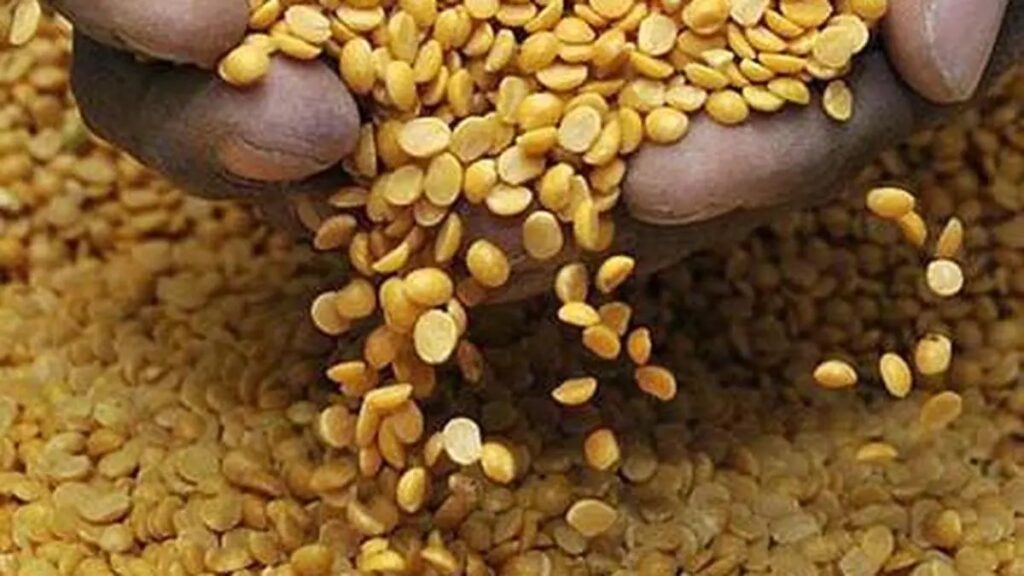
Australia is set to emerge as a potential new source of pigeonpea (tur) for India, with farmers showing interest in the crop and trade experts pointing to production potential of about 1 million tonnes against current output of a few thousand tonnes. Satish Upadhyay of the India Pulses and Grains Association says Australia has enough land and good quality. India's tur output reached about 35.92 lakh tonnes in 2025-26, but drought in Karnataka and Maharashtra may cut the 2026-27 crop to 20-25 lakh tonnes. Tur imports rose 44 per cent to 5.79 lakh tonnes in January-July 2026.

AIDAN urges India to cap cancer drug prices at source
South Asia Supply Chain

AIDAN urges India to cap cancer drug prices at source

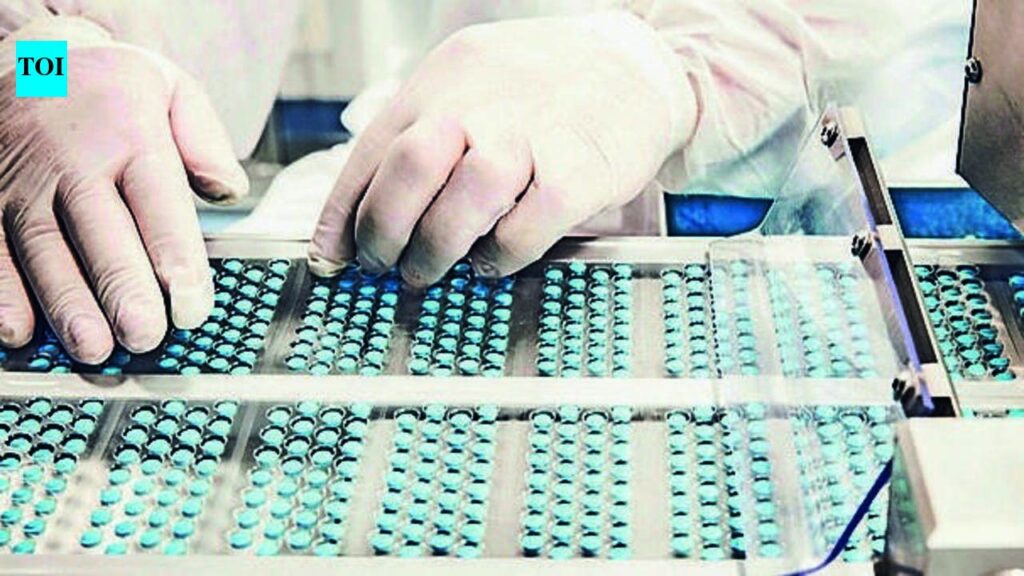
Health action groups in India are pressing the government to regulate the entire pharmaceutical supply chain rather than just retailer margins on cancer drugs. The All India Drug Action Network welcomed the National Pharmaceutical Pricing Authority's 30% cap on hospital and retailer margins but said manufacturer pricing remains the biggest source of profiteering. AIDAN members cited average trade margins of 170%, with some reaching 700%, and warned that about 204 medicines, or 32%, will see no reduction or a cut of only up to 10%. The group is calling for cost-based price control and compulsory licensing for patented anti-cancer medicines.

India auctions 733 mineral blocks but operates only 125
South Asia Supply Chain

India auctions 733 mineral blocks but operates only 125

India has auctioned 733 mineral blocks but only 125 were operational as of August 2026, according to sectoral reviews shared by the coal and mines ministries with states. The Centre says award-to-production intervals exceed seven years for major and critical mineral blocks amid regulatory complexities. Mining contributes over ₹1.9 lakh crore annually to government exchequers, with 90% accruing to states. Concept notes flag extreme import reliance, land acquisition hurdles, uncoordinated state cesses and weak first-mile logistics as core bottlenecks.

Welcome Back!

Login to your account below

Create New Account!

Fill the forms below to register

Retrieve your password

Please enter your username or email address to reset your password.

Scan to share via WeChat

Open WeChat and scan the QR code to share

QR Code

Add New Playlist