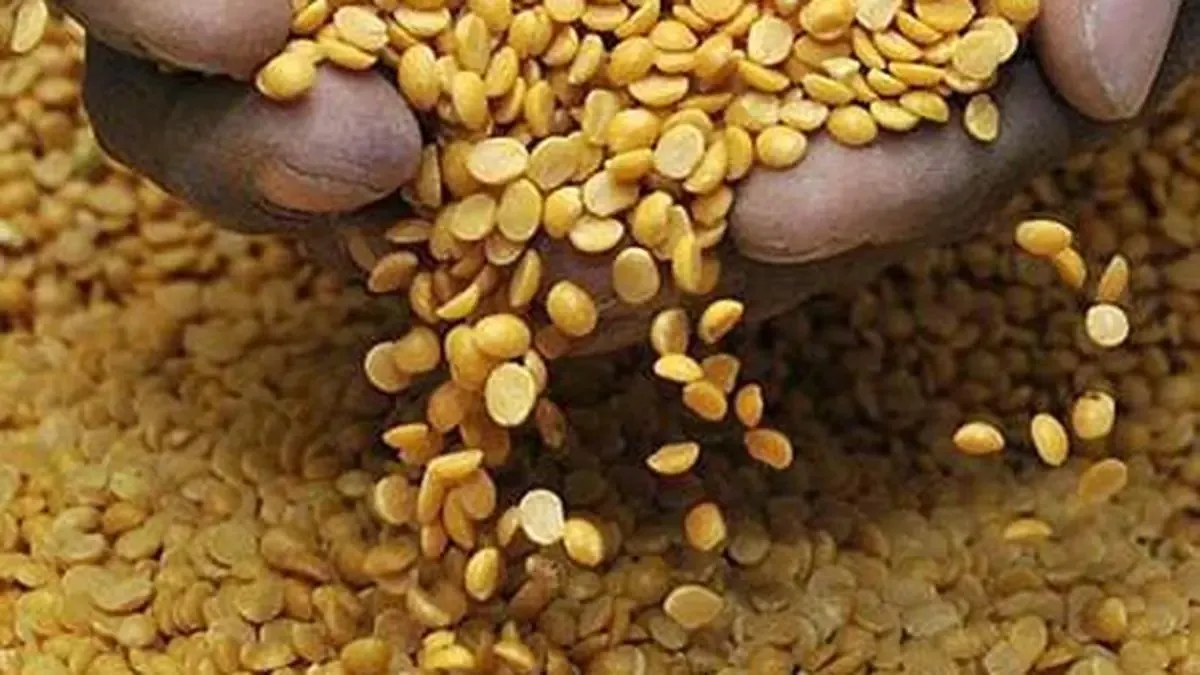
Australia is set to emerge as a potential new source of pigeonpea (tur) for India, with farmers showing interest in the crop and trade experts pointing to production potential of about 1 million tonnes against current output of a few thousand tonnes. Satish Upadhyay of the India Pulses and Grains Association says Australia has enough land and good quality. India's tur output reached about 35.92 lakh tonnes in 2025-26, but drought in Karnataka and Maharashtra may cut the 2026-27 crop to 20-25 lakh tonnes. Tur imports rose 44 per cent to 5.79 lakh tonnes in January-July 2026.
According to www.thehindubusinessline.com, Australia is emerging as a potential new source of pigeonpea (tur) for the Indian market, with farmers there showing interest in cultivating the pulses variety to tap demand in the world’s largest consumer.
Australia is already an established supplier of key pulses such as chickpeas and lentils to India, and trade experts say it could widen its footprint by adding pigeonpea to its export basket in the coming years. The country is expected to approach the Indian government soon seeking permission to export tur.
Trade estimates put current Australian tur production at about a few thousand tonnes, but the source reports potential to scale that to roughly 1 million tonnes.
Land and quality underpin Australian potential
Satish Upadhyay, Hon Secretary of the India Pulses and Grains Association (IPGA), the apex trade body, said Australia has enough land and keen farmers to become a major tur supplier to India.
“Australia has the potential to emerge as the major supplier of tur to India as they have enough land. Farmers in Australia are keen to grow tur for the Indian market. In fact the quality of tur produced in Australia is good.” — Satish Upadhyay, Hon Secretary, India Pulses and Grains Association
Upadhyay recently visited key growing regions near Melbourne and Brisbane, according to the report. Pigeonpea is currently grown in Australia largely as a rotational crop, prized primarily for its nitrogen-fixing properties, which improve soil fertility and benefit subsequent crops.
Growing interest in the Indian market could encourage farmers to treat it as a commercial crop instead, opening room to expand acreage and production. Australia’s considerable agricultural land resources offer India an additional sourcing option at a time when diversifying import origins has become increasingly important.
India’s output lags demand as drought bites
India’s tur production has grown from around 25.61 lakh tonnes in 2015-16 to about 35.92 lakh tonnes in 2025-26, per third advance estimates, yet demand has been rising faster.
The government had targeted production of 40 lakh tonnes for the current 2026-27 season. However, deficit rains and drought in the key producing states of Karnataka and Maharashtra are set to shrink the crop, with trade estimates putting it at between 20-25 lakh tonnes.
Tur from Brazil is expected to hit the Indian market soon. India currently imports tur from countries including Mozambique, Myanmar, Tanzania, Sudan and Malawi, among others.
Imports climb 44% in first seven months of 2026
In the first seven months of calendar 2026 (January-July), tur imports rose 44 per cent to 5.79 lakh tonnes, up from 4.01 lakh tonnes in the same period last year, according to the report.
India’s tur imports stood at over 13.25 lakh tonnes during calendar 2025. The source states that Australia’s production potential of about a million tonnes would give India a meaningful additional sourcing option as it works to diversify import origins.
Source: thehindubusinessline.com
Compiled from international media by the SCI.AI editorial team.