Skip to content

Coverage desk

Middle East

97 published stories

ACS revenues rise 38% to $845M amid cargo charter demand surge
Strategy & Planning

ACS revenues rise 38% to $845M amid cargo charter demand surge

Air Charter Service (ACS) recorded a 38% year-on-year revenue increase in H1 2026, reaching over $845 million—driven primarily by a 49% rise in cargo charter volumes. Disruptions including the Middle East conflict, Iranian supply chain fallout, Storm Marta’s Moroccan port closures, and Venezuelan relief efforts contributed to demand spikes. ACS operates 43 global offices, added six in 2025 and three more in 2026 (Brussels, Monaco, Stuttgart). EBITDA rose 35–40% across its cargo, group charter, and private jet divisions. Chairman Chris Leach noted growing reliance from governments and multinationals on ACS for complex, time-critical air logistics.

Precious Shipping receives $11m Hormuz war risk payout
Disruptions

Precious Shipping receives $11m Hormuz war risk payout

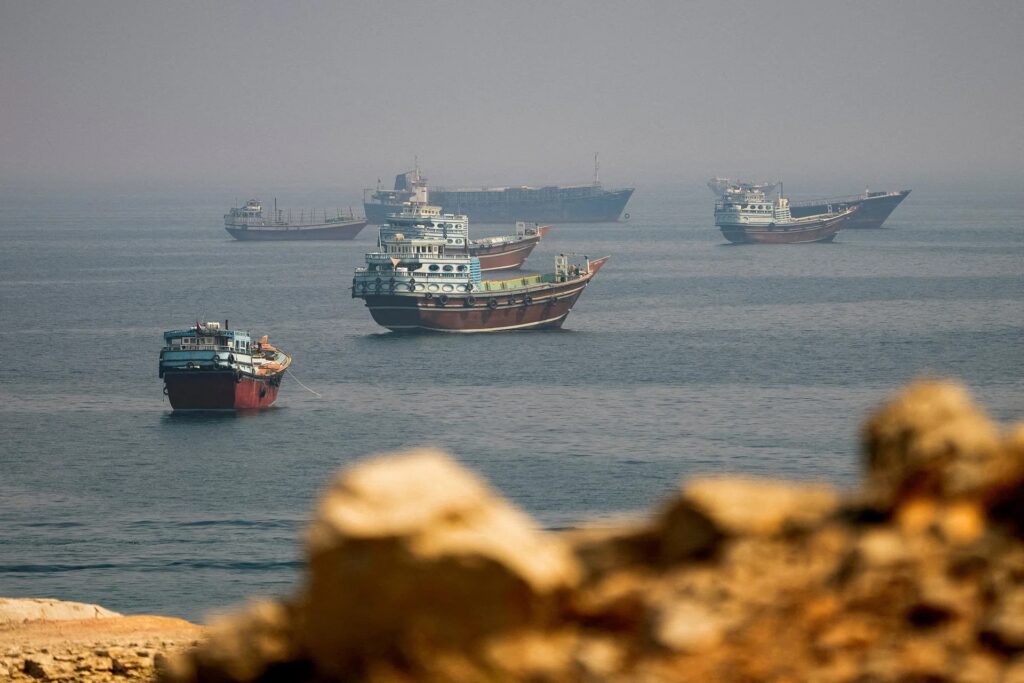
Precious Shipping has received an $11 million war risk insurance payout related to vessel operations in the Strait of Hormuz, following multiple route diversions and heightened threat assessments in early 2026. The claim — one of the largest publicly disclosed this year — reflects surging marine war risk premiums, which jumped from 0.07% to 0.25% of insured value between January and May 2026. Seven of the Thai dry bulk operator’s vessels were rerouted, adding 12 days per voyage and raising bunker costs by 18%. Industry-wide, war risk premiums rose 42% year-on-year, forcing supply chain professionals to treat geopolitical exposure as a quantifiable cost in freight contracting and cargo insurance.

Maersk, Hapag-Lloyd resume Red Sea route amid capacity relief
Africa Supply Chain

Maersk, Hapag-Lloyd resume Red Sea route amid capacity relief

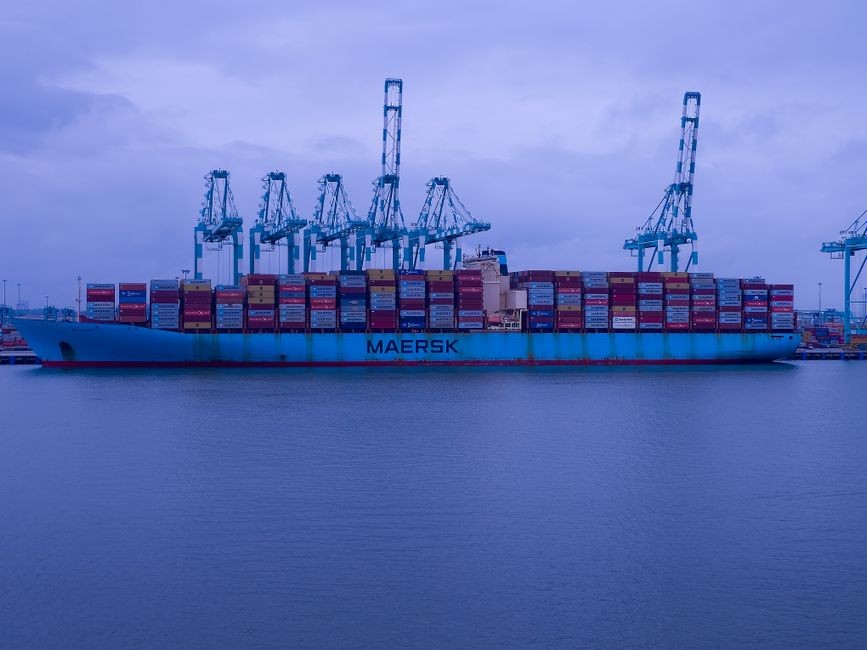
A.P. Moller-Maersk and Hapag-Lloyd announced on July 6, 2026, they are resuming Red Sea and Suez Canal transit for select Asia–Europe services — the first major carrier alliance to do so since late 2023. The move follows security reassessments and aims to alleviate vessel capacity constraints that drove spot rates up 37% in recent weeks. Maersk shares fell 9%, Hapag-Lloyd dropped 4.6%, reflecting market expectations of rate normalization. The Majestic Maersk, currently near Oman, will be the first redirected vessel. The Cape of Good Hope detour added ~14–18 days and $250,000–$350,000 in fuel costs per round trip.

DP World launches 15,250-sq-m multi-client warehouse in Riyadh
Middle East Supply Chain

DP World launches 15,250-sq-m multi-client warehouse in Riyadh

DP World has opened its first multi-client 3PL warehouse in Saudi Arabia — a 15,250-square-metre facility in Riyadh’s Al Mashael Logistics Hub offering over 17,000 pallet positions. The non-bonded warehouse supports consumer goods, automotive, retail, industrial, and technology sectors, and integrates with DP World’s broader Saudi network, including the $250 million Jeddah Logistics Park. Launched on 30 July 2026, the project advances Vision 2030’s logistics goals amid rising demand from e-commerce and manufacturing. It follows strong regional growth, exemplified by stc Group’s SAR 40.1 billion H1 2026 revenue and 30.3 million mobile subscribers.

Hormuz Ship Backlog Spurs Bioinvasion Risk Alert
Middle East Supply Chain

Hormuz Ship Backlog Spurs Bioinvasion Risk Alert

Scientists warn that over 1,500 ships stranded in the Strait of Hormuz since late February 2026 have accumulated dangerous levels of marine biofouling — including algae, mussels, and barnacles — raising high risks of global 'bioinvasion.' With vessels idle for at least 40 times longer than typical port stays, invasive species may spread to ports worldwide upon departure. A July 22, 2026 report urges mandatory hull inspections and cleaning before resuming voyages, and calls for coordinated early detection at receiving ports. The Strait of Hormuz, handling ~20% of global oil shipments, is now an ecological flashpoint with cascading supply chain and regulatory implications.

US sanctions 8 Chinese, Hong Kong firms over Iranian oil shipments
Geopolitics

US sanctions 8 Chinese, Hong Kong firms over Iranian oil shipments

The U.S. sanctioned eight Chinese and Hong Kong shipping firms on 29 July 2026 for operating vessels in Iran’s sanctions-evading 'shadow fleet.' Six tankers were specifically accused of delivering millions of barrels of Iranian crude to China in 2026. The designations freeze U.S.-jurisdiction assets and prohibit U.S. entities from transacting with them. State Department spokesman Tommy Pigott stated the action supports U.S. Navy enforcement of a blockade on Iranian ports. Two Iranian companies forcing maritime insurance on Strait of Hormuz transit vessels were also targeted. Firms were incorporated between 2021 and 2024, with operations traced to Ningbo, Shanghai, and Hong Kong.

Ukraine strikes Iranian cargo ship in Caspian Sea on July 25
Europe Supply Chain

Ukraine strikes Iranian cargo ship in Caspian Sea on July 25

Ukraine struck an Iranian cargo ship in the Caspian Sea on July 25, 2026, prompting Iranian threats of retaliation and raising alarms across global shipping networks. Ukraine claimed the vessel carried military equipment to Russia; Iran called it a commercial ship and accused Ukraine of killing a sailor. Foreign Minister Abbas Araghchi labeled the strike a 'blatant U.N. Charter violation', while Ukraine’s Andrii Sybiha countered that Iran has no standing to claim victimhood. With the Strait of Hormuz closed and Red Sea routes threatened, the Black Sea and Caspian Sea are now designated high-risk zones. Caspian freight volumes dropped 12% YoY in Q2 2026, and insurance premiums rose 27% post-attack.

Saudia Cargo, Riyadh Cargo ink interline deal for 100+ destinations by 2030
Disruptions

Saudia Cargo, Riyadh Cargo ink interline deal for 100+ destinations by 2030

Saudia Cargo and Riyadh Cargo have signed an interline agreement to enhance cargo connectivity across international trade corridors. The deal supports Riyadh Cargo’s ambition to serve more than 100 global destinations by 2030 and expands its current network — which includes London, Dubai, Cairo, Jeddah, Madrid, and Malaga — to include Mumbai, Kuala Lumpur, and Dhaka. The agreement, announced on 28 July 2026, follows Saudia Cargo’s new Riyadh–Melbourne freighter route and aligns with Saudi Vision 2030 logistics goals.

Ukraine drone strike expands war risk to Caspian Sea
Disruptions

Ukraine drone strike expands war risk to Caspian Sea

A Ukrainian drone strike on an Iranian cargo vessel in the Caspian Sea — 2,000 km from Ukraine’s front lines — has shattered assumptions of maritime immunity in the region. The July 2026 attack, which killed one sailor and injured others, marks the first confirmed military targeting of commercial shipping in the Caspian. It joins the Suez Canal, Strait of Hormuz, and Black Sea on marine war risk insurers’ watchlist. With no maritime alternative and limited land-based rerouting options, the incident exposes vulnerabilities in Russian-Iranian supply chains. Ukrainian USVs cost ~$250,000 each — underscoring how cheap, long-range unmanned systems are redefining naval threat calculus.

Saudi-U.S. Nuclear Deal Spurs $34B Supply Chain Race
Middle East Supply Chain

Saudi-U.S. Nuclear Deal Spurs $34B Supply Chain Race

The U.S.-Saudi nuclear agreement signed on 22 July 2026 has triggered a regional contest for dominance over the nuclear supply chain—valued at tens of billions. With Urenco reporting €2.096 billion in 2025 revenue and Orano holding a €34.2 billion order book, five national models (U.S., Russia, China, France, South Korea) compete for Saudi contracts. The Barakah plant in the UAE—supplying 25% of the country’s electricity—demonstrates how localization can occur without enrichment, while Iran’s mature fuel-cycle capabilities pose a strategic counterweight. Congressional review, enrichment rights, and Gulf diplomacy remain pivotal.

DP World inks 50-year Fujairah port concession, adds 4.1M tonnes capacity
Middle East Supply Chain

DP World inks 50-year Fujairah port concession, adds 4.1M tonnes capacity

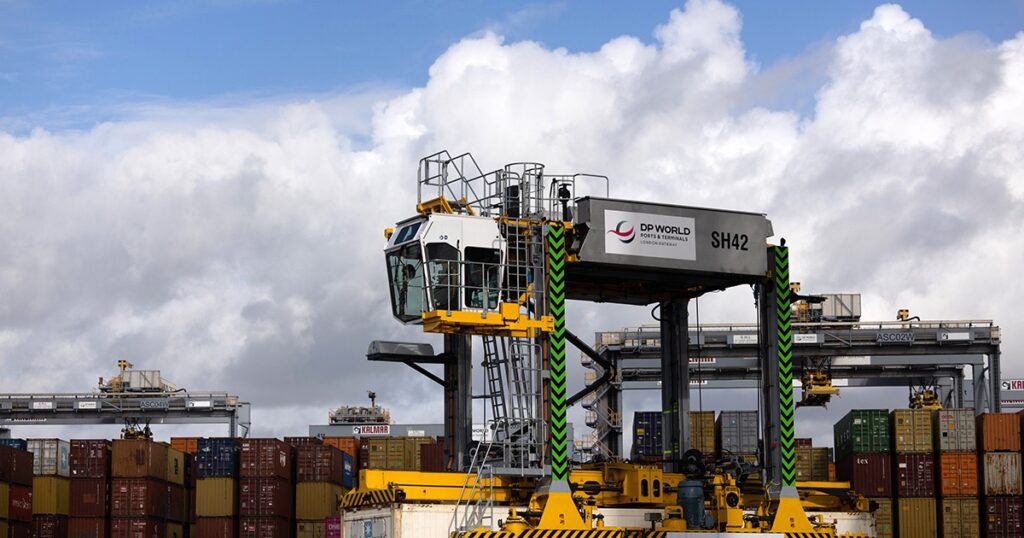
DP World has secured a 50-year concession with Fujairah Ports Authority to develop two new terminals — Al Rugaylat and Dibba — on the UAE’s east coast. The project adds 2.5 million TEU and 4.1 million tonnes of annual cargo capacity, raising DP World’s UAE container handling total from 19.4 million to nearly 22 million TEU. Designed for Ultra Large Container Vessels, the deep-water gateway enhances regional connectivity and trade resilience. Announced on 23rd July 2026, the deal reflects long-term confidence in the UAE’s logistics leadership.

Houthi blockade cuts Red Sea traffic 40%, raises Middle East conflict risk
Geopolitics

Houthi blockade cuts Red Sea traffic 40%, raises Middle East conflict risk

Houthi forces imposed a Saudi shipping embargo on 22 July 2026, cutting Red Sea traffic by 40% and triggering Saudi airstrikes on Hodeidah port. A National Shipping Company of Saudi Arabia oil tanker was hit on 25 July 2026, prompting Donald Trump’s threat to hold Iran responsible. Pakistan activated its mutual defence pact with Riyadh, while U.S. Central Command escalated surveillance. The Red Sea handles 12% of global trade; disruptions have raised Asia–Europe freight rates by 215% and extended auto component lead times by 18–22 days.

Welcome Back!

Login to your account below

Create New Account!

Fill the forms below to register

Retrieve your password

Please enter your username or email address to reset your password.

Add New Playlist