Skip to content

Coverage desk

Africa

66 published stories

DP World pledges $4B Africa expansion amid 75% fuel cost surge
Africa Supply Chain

DP World pledges $4B Africa expansion amid 75% fuel cost surge

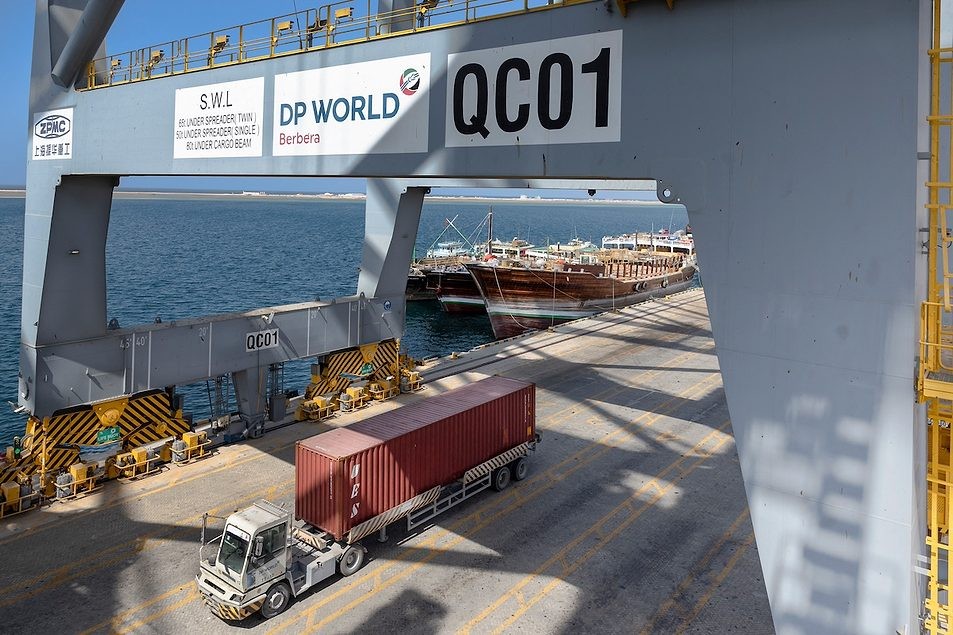
DP World reaffirms its $4 billion investment pledge in African port and logistics infrastructure despite a 75% fuel price surge in South Africa and disruptions caused by the Strait of Hormuz closure. CEO Mohammed Akoojee confirmed ongoing projects including Maputo Port expansion and the DRC’s first deep-water port, due in Q1 next year. The company operates 7,000+ trucks across Africa and is shifting toward integrated logistics ecosystems linking Tanzania, Rwanda, Zambia, and Congo.

South Africa’s port reform unlocks R11.1bn as power reforms stall
ESG & Regulation

South Africa’s port reform unlocks R11.1bn as power reforms stall

South Africa’s reform trajectory is bifurcated: administrative upgrades like e-visas and the Trusted Employer Scheme are improving business efficiency, while electricity and rail logistics reforms stall. Key delays include the postponed wheeling framework (now set for September 2026), Eskom’s R2bn debt to IPPs, and the non-operational Transport Economic Regulator. In contrast, Durban Gateway Terminal’s financial close unlocked R11.1bn in investment, signaling strong private interest in ports. Analysts stress that without grid and rail unbundling, industrial expansion and job creation remain capped.

Global Hunger Falls to 645M in 2025 Amid Conflict Risks
Africa Supply Chain

Global Hunger Falls to 645M in 2025 Amid Conflict Risks

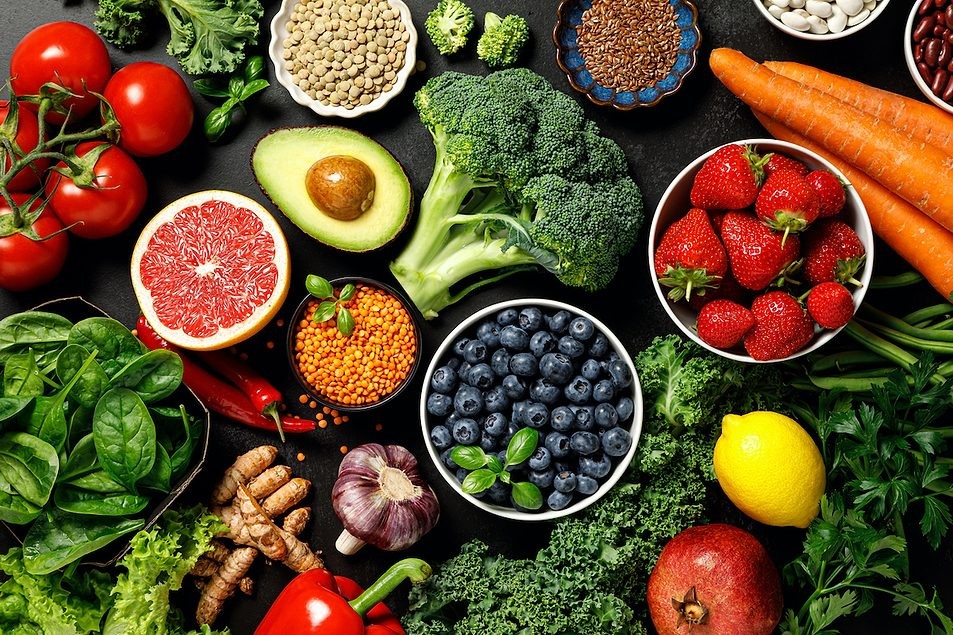
Global hunger fell to 645 million people (7.8% of the world population) in 2025, marking the third straight annual decline since pandemic-driven spikes. Yet conflicts — especially in the Middle East — and climate shocks threaten reversal, with the UN World Food Programme warning that 45 million more could face acute food insecurity if the Iran war continues and oil exceeds $100/barrel. Africa remains the epicenter: one in five people there were undernourished in 2025, and the UN projects 56% of the world’s hungry will live there by 2030. Supply chain professionals must now integrate humanitarian risk data into logistics planning, particularly across Red Sea and Suez Canal corridors.

China launches zero-tariff policy for 53 African nations
Geopolitics

China launches zero-tariff policy for 53 African nations

China’s unilateral zero-tariff policy for 53 African nations took effect on 1 May 2026, offering duty-free access for two years to 20 non-least developed countries including Namibia. The policy reshapes supply chains by embedding digital infrastructure — from electronic CIQ certification to Douyin-driven consumer trust — as core trade enablers. A 24-ton South African apple shipment cleared duty-free at Shenzhen on launch day, validating implementation. For Namibian SMEs, success hinges on Mandarin-language digital narratives, QR traceability, and participation in Hainan’s 10,000-yuan annual tax exemption zone. Scholars warn that tariff relief alone risks dependency without parallel investment in digital literacy and value-added processing.

Fincart raises $2.8M to scale AI e-commerce OS in North Africa
Africa Supply Chain

Fincart raises $2.8M to scale AI e-commerce OS in North Africa

Cairo-based Fincart has raised $2.8 million in seed funding to scale its AI-powered e-commerce operating system across North Africa and the Middle East. Founded by alumni of Careem, Glovo, Vodafone, and Delivery Hero, the platform integrates shipping, revenue-based financing, and customer retention tools. It serves over 450 merchants, processes goods valued above E£1 billion ($20 million), and relies entirely on organic growth — with 40% of new users arriving via referral and zero marketing spend over three years.

Digital Product Passports Boost African Trade, ESG Compliance
North America Supply Chain

Digital Product Passports Boost African Trade, ESG Compliance

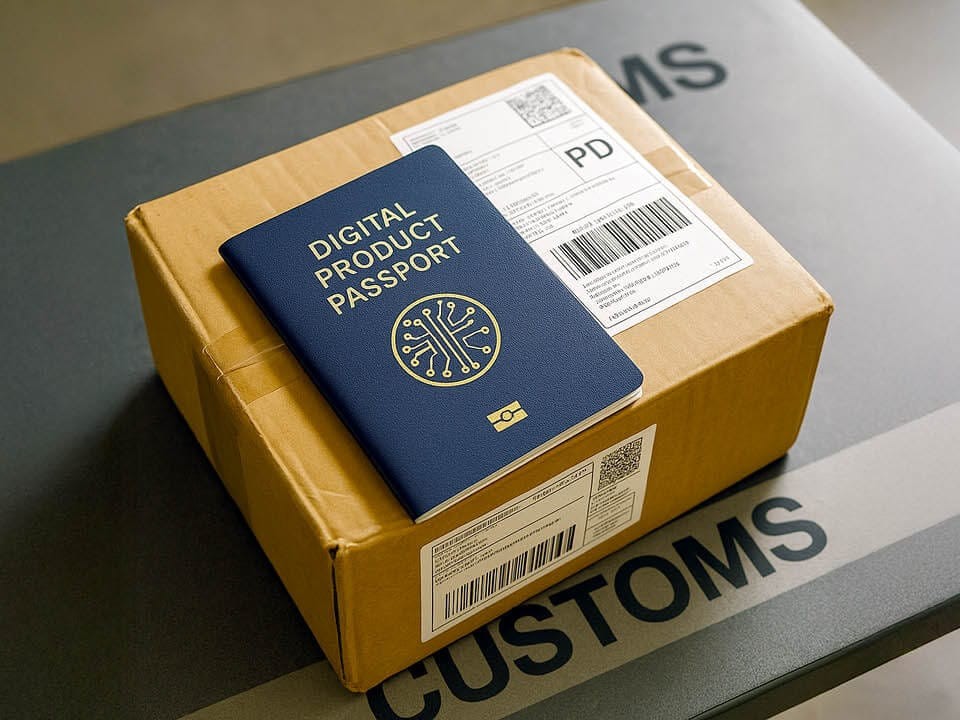
Digital product passports (DPPs) offer African exporters a strategic tool to meet EU ESPR requirements effective 2026, while simultaneously strengthening AfCFTA implementation, cutting regional trade delays by up to 30%, and enabling product-level ESG transparency. Pilots in South Africa’s wool, Kenya’s horticulture, and Ghana’s cocoa sectors show 18–22% gains in buyer trust and contract renewal. Experts project $4.2 billion in annual intra-African export growth by 2030 if DPPs scale across textiles, agro-processing, and battery minerals.

GCC-Africa Corridor Cuts Waste: 40% Empty Truck Miles Targeted
ESG & Regulation

GCC-Africa Corridor Cuts Waste: 40% Empty Truck Miles Targeted

Across the GCC-Africa trade corridor, logistics operators are prioritising operational waste elimination over capital-intensive green tech. Regional data shows 30–40% of trucks run empty on return legs — costing millions in fuel and inflating emissions. In megacities like Lagos and Nairobi, last-mile inefficiencies inflate logistics costs to 35% of import value. Heavy-haul specialists like Vanguard move 91m wind turbine blades across rugged terrain, while digital corridor tools cut border delays. The zero-waste architecture proves sustainability is sound business — not just ESG reporting.

South Africa Reform Index Drops to 71.5 Amid Energy, Logistics Strain
ESG & Regulation

South Africa Reform Index Drops to 71.5 Amid Energy, Logistics Strain

South Africa’s reform completion index dropped to 71.5 in Q2 2026—the first quarterly decline since tracking began—driven by setbacks in electricity and freight logistics. Electricity reforms fell 2.2% amid R2bn curtailment compensation backlog and transmission shortfall (270.8 km vs. 423 km target). Freight logistics dipped 0.5%, though rail access agreements expanded capacity by 24 Mt/year. Governance rose modestly to 55.1, buoyed by the Public Service Amendment Act. BLSA CEO Busisiwe Mavuso flagged emerging strain in core reform areas.

South Africa’s China Trade Gap Hits $10B Amid Mineral Processing Dependence
Africa Supply Chain

South Africa’s China Trade Gap Hits $10B Amid Mineral Processing Dependence

South Africa’s trade deficit with China hit $10 billion in 2025, with exports dominated by unprocessed ores ($13B) versus $23B in Chinese manufactured imports. At the June 22, 2026 Beijing supply chain expo, Deputy President Paul Mashatile pledged industrial upgrading and local mineral processing. Yet China controls 90% of rare earth refining and 60% of lithium/cobalt output — and Africa holds 30% of global critical mineral reserves. The May 1, 2026 CADEPA zero-tariff deal covers 53 African nations but fails to address structural asymmetries, as Sino-African trade reached $348B in 2025 while China imported only $123B from the continent.

CMA CGM acquires FedEx Supply Chain for $1.4B
Africa Supply Chain

CMA CGM acquires FedEx Supply Chain for $1.4B

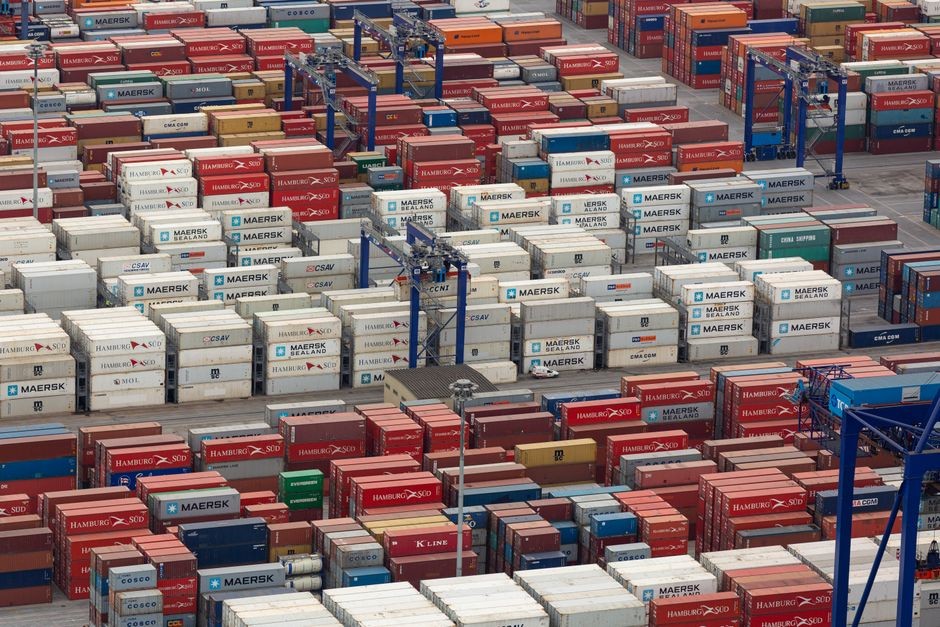
CMA CGM has acquired FedEx Supply Chain for $1.4 billion as part of a $5 billion multimodal partnership with FedEx. The move advances CEO Rodolphe Saadé’s logistics-first strategy, aiming to shift group turnover from 60% maritime to greater logistics share. The deal integrates 74,000 annual container volumes, enables air cargo capacity exchange, and supports eight A350 freighter deliveries starting late 2027. It follows CMA CGM’s 2019 Ceva Logistics acquisition and a 2026 terminal investment pact with Stonepeak in North America — where the U.S. accounts for roughly 25% of group turnover. Saadé calls maritime chokepoint risk 'chronic', not episodic.

U.S. Manufacturers Redesign 75% Organic Warehouse Networks
Africa Supply Chain

U.S. Manufacturers Redesign 75% Organic Warehouse Networks

A Warehouse Specialists LLC survey of 306 U.S. manufacturing supply chain leaders finds 75% of warehouse networks evolved organically—not by strategic design—leaving them ill-suited for today’s operating environment. Fifty-three percent experienced a warehouse-related compliance incident or safety event in the past two years. Eighty-eight percent plan footprint changes within 18 months, and 67% are more likely to switch 3PL providers after recent friction. The findings underscore urgent structural overhauls amid rising regulatory and resilience pressures.

Southern African citrus exports drop 24% amid Red Sea disruption
Disruptions

Southern African citrus exports drop 24% amid Red Sea disruption

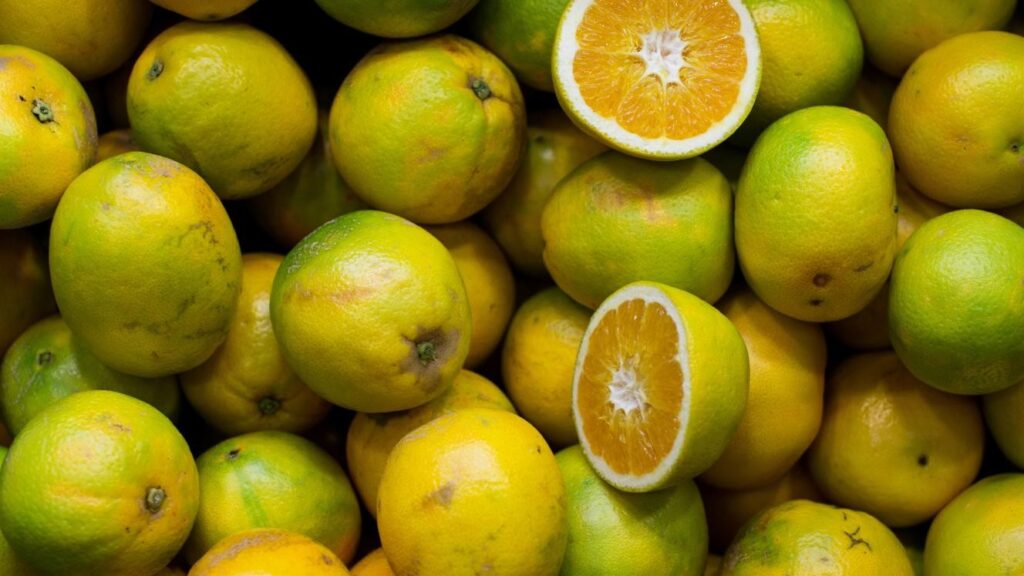
Southern African trade growth is being stifled by supply chain bottlenecks stemming from Persian Gulf conflict, with South Africa’s citrus exports down 24% year-on-year — from 15.2 million to 11.5 million cartons. While total citrus exports rose 2.1% to 62.1 million cartons, regional shifts accelerated: Europe took 24.3 million (+18.6%), the UK 6.2 million (+12.7%), and Asia 2.9 million (+28.2%). Port congestion worsened, with Cape Town and Durban vessel waits exceeding 48 hours. May 2026 container throughput hit 17.3 million TEU — up 6.2% month-on-month — revealing demand resilience amid infrastructure strain.

Welcome Back!

Login to your account below

Create New Account!

Fill the forms below to register

Retrieve your password

Please enter your username or email address to reset your password.

Add New Playlist