Explore

  • Trending
  • Latest
  • Tools
  • Browse
  • AI Assistant
  • Subscription Feed

Logistics

  • Ocean
  • Air Cargo
  • Road & Rail
  • Warehousing
  • Last Mile

Regions

  • Southeast Asia
  • South Asia
  • Central Asia
  • Japan & Korea
  • Middle East
  • Europe
  • Russia
  • Africa
  • North America
  • Latin America
  • Australia
SCI.AI
  • Supply Chain
    • Strategy & Planning
    • Logistics & Transport
    • Manufacturing
    • Inventory & Fulfillment
  • Procurement
    • Strategic Sourcing
    • Supplier Management
    • Supply Chain Finance
  • Technology
    • AI & Automation
    • Robotics
    • Digital Platforms
  • Risk & Resilience
  • Sustainability
  • Research
  • Expert Columns
  • English
    • Chinese
    • English
No Result
View All Result
  • Login
  • Register
SCI.AI
No Result
View All Result
Home Africa Supply Chain

Global Hunger Falls to 645M in 2025 Amid Conflict Risks

2026/07/29
in Africa Supply Chain
0 0
Global Hunger Falls to 645M in 2025 Amid Conflict Risks

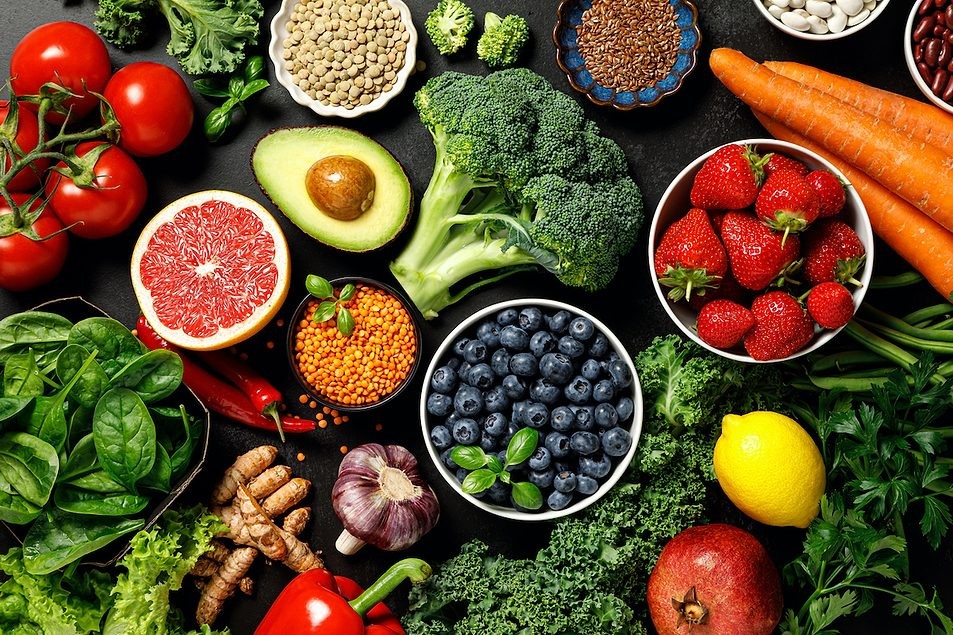
According to www.supplychainbrain.com, global hunger declined in 2025, with 645 million people — or 7.8% of the world’s population — facing hunger, down from 8.1% in 2023 and 8.6% in 2022.

Hunger Trends and Regional Disparities

The United Nations’ 2026 State of Food Security and Nutrition in the World report documents the third consecutive annual decline since hunger spiked from 7.5% in 2019 to 8.6% in 2021. While Asia saw gains driven by expanded food assistance programs and Latin America strengthened food security policies, progress remains uneven. In Africa, one in five people — approximately 240 million individuals — were undernourished in 2025, accounting for nearly half of the world’s hungry population. By contrast, Asia represented just 6% and Latin America and the Caribbean 4.8% of the global hungry population that year.

Conflict and Climate as Accelerating Threats

Geopolitical conflict and climate shocks pose acute reversal risks. Alvaro Lario, President of the International Fund for Agricultural Development, told the Associated Press:

“We are in a current era where we have the highest number of conflicts and [they] are still increasing. Whenever there is a conflict, also hunger, displacement, refugees increase.”

A May 2026 analysis by the UN World Food Programme estimated that if the Iran war persists and oil prices rise above $100 a barrel, nearly 45 million additional people could fall into acute food insecurity or worse. Climate-related volatility — oscillating between extreme drought and catastrophic flooding — further strains agricultural output and supply chain stability across vulnerable regions.

Africa’s Projected Burden and Supply Chain Implications

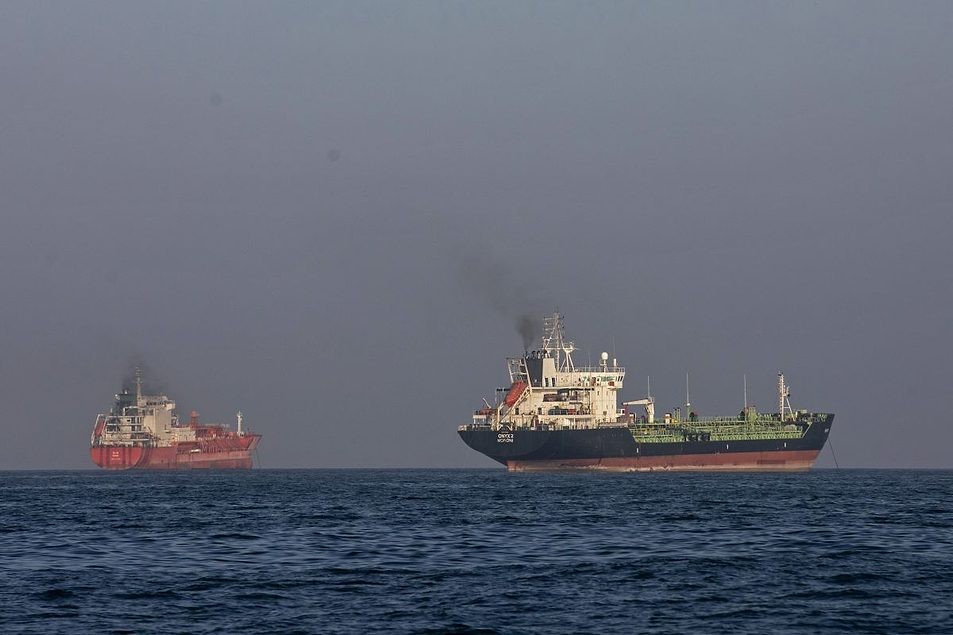
The UN projects that by 2030, 56% of the world’s hungry population will reside in Africa — a stark escalation from current levels. This trajectory has direct implications for global food supply chains, particularly for companies managing perishable logistics, humanitarian aid distribution, and agricultural commodity sourcing. For supply chain professionals, rising instability in the Middle East and Africa necessitates enhanced risk mapping, diversified supplier networks, and real-time monitoring of climate-sensitive transport corridors — especially those crossing the Red Sea and Suez Canal. Recent disruptions, including the Ukraine strikes on Iranian ships in the Caspian Sea, underscore how regional hostilities increasingly intersect with maritime logistics chokepoints.

Policy and Operational Responses

Supply chain resilience strategies now require integration of humanitarian metrics alongside traditional KPIs. The report highlights that countries with robust social protection systems — such as Brazil’s Bolsa Família expansion and India’s Public Distribution System upgrades — achieved faster hunger reduction. Meanwhile, private-sector actors face mounting pressure to align procurement practices with ESG frameworks, particularly around Scope 3 emissions and ethical sourcing in high-risk geographies. As food insecurity intensifies in low-income nations, logistics providers must adapt warehousing, cold-chain, and last-mile delivery protocols to volatile operating environments — including unpredictable customs delays, fuel shortages, and infrastructure damage from climate events.

Source: Supply Chain Brain

Compiled from international media by the SCI.AI editorial team.
More on This Topic

  • Fincart raises $2.8M to scale AI e-commerce OS in North Africa (Jul 28, 2026)
  • South Africa’s China Trade Gap Hits $10B Amid Mineral Processing Dependence (Jul 19, 2026)
  • CMA CGM acquires FedEx Supply Chain for $1.4B (Jul 16, 2026)
  • U.S. Manufacturers Redesign 75% Organic Warehouse Networks (Jul 15, 2026)
  • India’s manufacturing growth rises to 4.15% amid supply chain shift (Jul 8, 2026)
ShareTweet

Related Posts

Fincart raises $2.8M to scale AI e-commerce OS in North Africa
Africa Supply Chain

Fincart raises $2.8M to scale AI e-commerce OS in North Africa

July 28, 2026
6
South Africa’s China Trade Gap Hits $10B Amid Mineral Processing Dependence
Africa Supply Chain

South Africa’s China Trade Gap Hits $10B Amid Mineral Processing Dependence

July 19, 2026
26
CMA CGM acquires FedEx Supply Chain for $1.4B
Africa Supply Chain

CMA CGM acquires FedEx Supply Chain for $1.4B

July 16, 2026
24
U.S. Manufacturers Redesign 75% Organic Warehouse Networks
Africa Supply Chain

U.S. Manufacturers Redesign 75% Organic Warehouse Networks

July 15, 2026
14
India’s manufacturing growth rises to 4.15% amid supply chain shift
Africa Supply Chain

India’s manufacturing growth rises to 4.15% amid supply chain shift

July 8, 2026
17
Ceva, DSV, K+N launch dedicated Chicago cargo flights
Africa Supply Chain

Ceva, DSV, K+N launch dedicated Chicago cargo flights

July 7, 2026
26

Leave a Reply Cancel reply

Your email address will not be published. Required fields are marked *

Recommended

FishEUTrust launches €4.6M blockchain seafood traceability platform

FishEUTrust launches €4.6M blockchain seafood traceability platform

28 Views
June 27, 2026
UPS通过冷链收购增强医疗物流能力

UPS Enhances Medical Logistics Capabilities through Cold Chain Acquisition

32 Views
February 16, 2026
ASEAN US Export Growth Hits 29% Amid Rules-of-Origin Pressure — www.lowyinstitute.org

ASEAN US Export Growth Hits 29% Amid Rules-of-Origin Pressure — www.lowyinstitute.org

41 Views
May 8, 2026
GlasCurtain cuts 4,000 tons CO₂, adds 15 jobs with Alberta-made façade

GlasCurtain cuts 4,000 tons CO₂, adds 15 jobs with Alberta-made façade

25 Views
May 28, 2026
Show More

SCI.AI

Global Supply Chain Intelligence. Delivering real-time news, analysis, and insights for supply chain professionals worldwide.

Categories

  • Supply Chain Management
  • Procurement
  • Technology


  • Risk & Resilience
  • Sustainability
  • Research

© 2026 SCI.AI. All rights reserved.

Powered by SCI.AI Intelligence Platform

Welcome Back!

Sign In with Facebook
Sign In with Google
Sign In with Linked In
OR

Login to your account below

Forgotten Password? Sign Up

Create New Account!

Sign Up with Facebook
Sign Up with Google
Sign Up with Linked In
OR

Fill the forms below to register

All fields are required. Log In

Retrieve your password

Please enter your username or email address to reset your password.

Log In

Scan to share via WeChat

Open WeChat and scan the QR code to share

QR Code

Add New Playlist

No Result
View All Result
  • Supply Chain
    • Strategy & Planning
    • Logistics & Transport
    • Manufacturing
    • Inventory & Fulfillment
  • Procurement
    • Strategic Sourcing
    • Supplier Management
    • Supply Chain Finance
  • Technology
    • AI & Automation
    • Robotics
    • Digital Platforms
  • Risk & Resilience
  • Sustainability
  • Research
  • Expert Columns
  • English
    • Chinese
    • English
  • Login
  • Sign Up

© 2026 SCI.AI