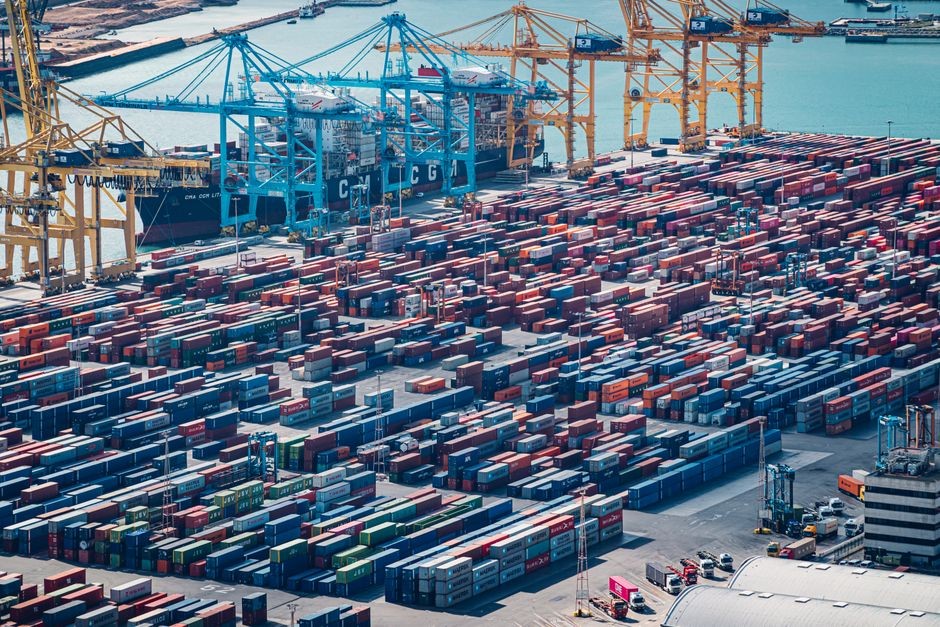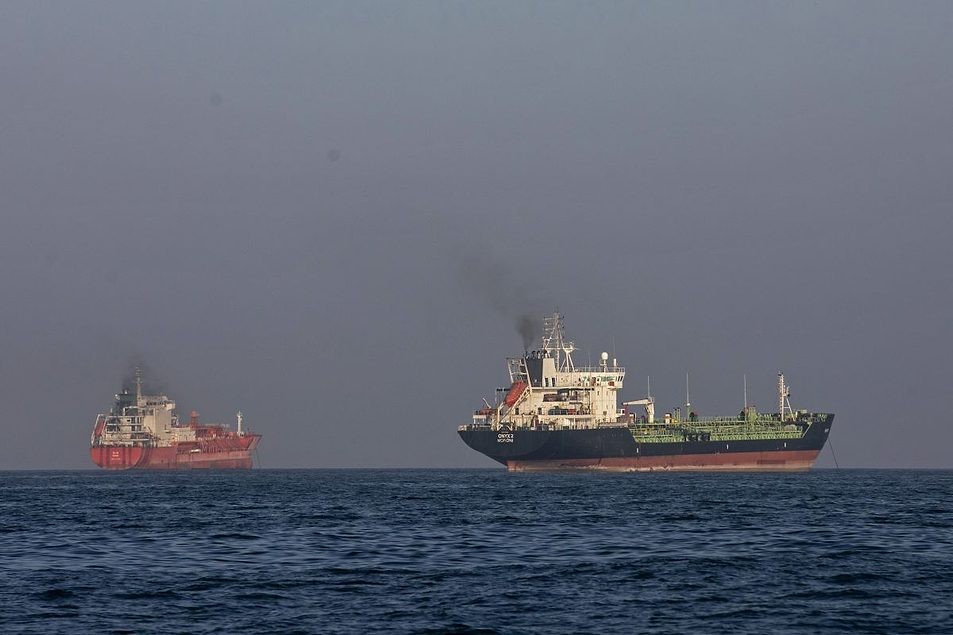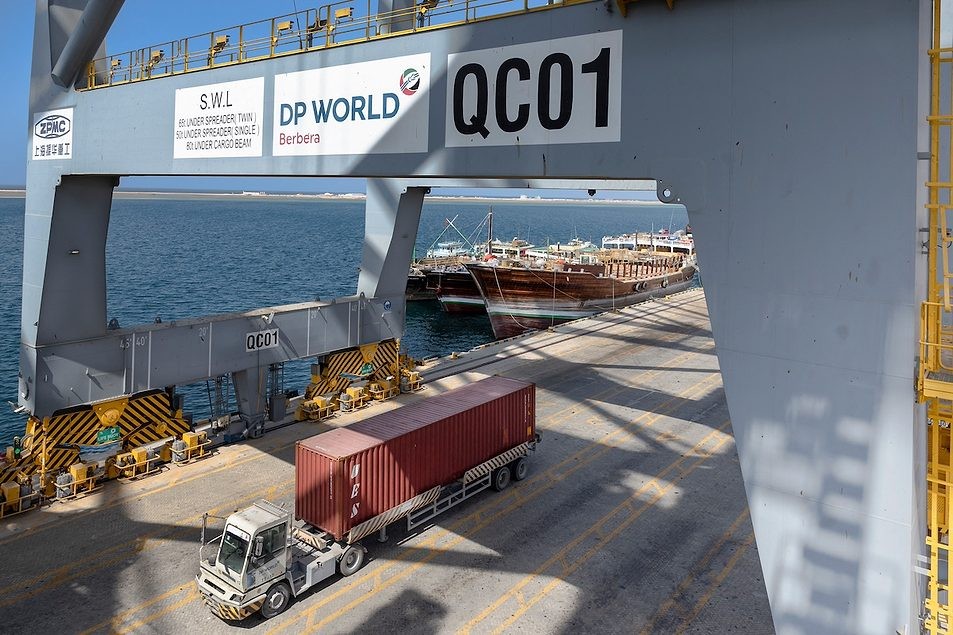
According to www.fpri.org, South Africa’s bilateral trade with China reached US$53.7 billion in 2025, yet the trade imbalance stood at approximately US$10 billion, with Pretoria exporting just US$13 billion while importing nearly US$23 billion.
Deputy President Signals Strategic Shift at Beijing Expo
At the Fourth China International Supply Chain Expo in Beijing on June 22, 2026, South Africa’s Deputy President Paul Mashatile outlined a vision to move beyond raw-material exports. Speaking at the event, he emphasized that South Africa “wants to be more than a mine for the world’s second-largest economy,” aiming instead to build local manufacturing units, process its own minerals, and serve as Beijing’s gateway to the wider African market.
This ambition reflects a broader national strategy to reposition South Africa within global value chains — leveraging its diversified industrial base, world-class financial sector, logistics infrastructure, and abundant critical mineral reserves. Crucially, Pretoria is counting on preferential access to the AfCFTA (African Continental Free Trade Area) to anchor regional supply-chain integration.
Structural Imbalance in Mineral Value Chains
China controls over 90% of global rare earth processing and graphite production, and approximately 60% of refined lithium and cobalt output. Africa holds roughly 30% of the world’s critical mineral reserves — including dominant shares of cobalt, manganese, and platinum group metals — yet most extraction remains in raw form, exported for processing abroad.
Over 90% of African critical minerals shipped overseas are refined in China, reinforcing Beijing’s dominance in high-value downstream segments. As a result, resource-rich economies like South Africa remain largely confined to low-margin extraction — despite holding strategic reserves essential for electric vehicles and clean energy technologies.
Zero-Tariff Deal Fails to Redress Asymmetry
The Framework Agreement on Economic Partnership for Shared Prosperity (CADEPA) entered into force on May 1, 2026, granting eligible South African goods duty-free access to China — the same terms extended to all 53 African nations with diplomatic ties to Beijing. While Sino–African trade hit a record US$348 billion in 2025, China’s imports from the continent totaled only US$123 billion.
The persistent gap underscores a structural reality: duty-free access alone cannot correct trade asymmetry without parallel investments in local mineral processing, technology transfer, industrial upgrading, and manufacturing capacity. Without such measures, South Africa risks deepening dependency — not diversification — even as it pursues economic renaissance.
Strategic Vulnerability Amid Geopolitical Realignment
The US retreat from Africa and former President Donald Trump’s protectionist, sanction-driven trade policies have constrained South Africa’s options for capital, technology, and market access. This has intensified reliance on China for financing, digital infrastructure, operational technologies, logistics systems, and governance standards — creating a strategic vulnerability that may prove more damaging over time than short-term economic gains.
As bilateral cooperation deepens amid global rebalancing, Pretoria is becoming increasingly embedded in Beijing’s broader geoeconomic architecture — one designed not for mutual development but for zero-sum outcomes: securing markets, dominating supply chains, and consolidating long-term political influence. As the report notes, “China’s engagement with Africa is not solely designed to create a win-win situation through development cooperation. Rather, it is a zero-sum game carefully engineered around geo-economic and strategic intentions.”
Source: fpri.org
Compiled from international media by the SCI.AI editorial team.