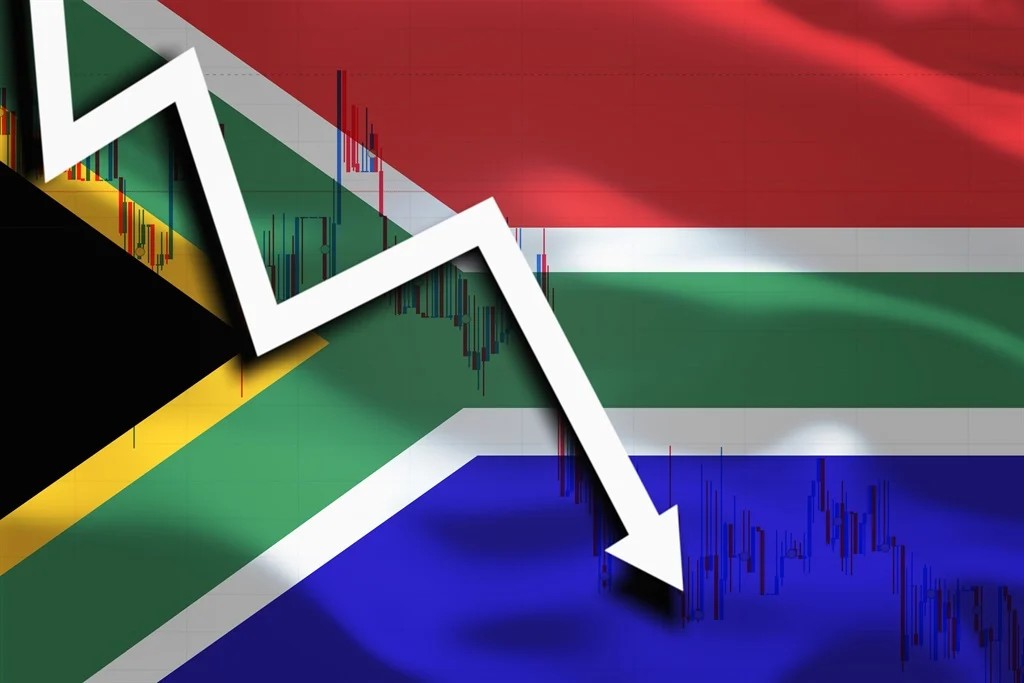
According to www.greenbuildingafrica.co.za, South Africa’s overall reform completion index declined to 71.5 in the April–June 2026 quarter — the first quarterly drop since tracking began — as electricity and freight logistics reforms faltered under mounting operational and policy pressures.
First Quarterly Decline Since Tracker Launch
The Business Leadership South Africa (BLSA) Reform Tracker, developed by Krutham, assesses 247 reform deliverables across economic, governance, and criminal justice sectors. In the fourth quarterly review covering April to June 2026, the index eased from 71.7 to 71.5. Though still 26% above the March 2024 baseline, this marks the first time more deliverables declined than improved: of 172 comparable items, 33 changed scores — 13 improved and 20 declined.
Electricity Reforms Under Pressure
The electricity reform index fell from 69.1 to 67.5 — a 2.2% decline — despite Eskom reporting no load shedding this winter and surplus capacity exceeding 5 GW. Gains were offset by increased curtailment of renewable independent power producers, creating a compensation backlog of R2bn and revenue shortfalls of about 9% for some producers. Delays in finalising virtual wheeling trading rules caused a sharp score drop after missing the April deadline.
The structural strain deepened with municipal debt to Eskom surpassing R114bn, while transmission expansion achieved only 270.8 km against a target of 423 km. Timelines for both the South African Wholesale Electricity Market and the Independent Transmission System Operator remain under pressure.
Freight Logistics Progress Stalls
The freight logistics reform index edged down 0.5% to 68.8. Positive developments included signing rail access agreements between Transnet’s Rail Infrastructure Manager and 11 private train operators — expanding the network to 12 operators and supporting an estimated 24 Mt in additional annual freight capacity. The Durban Container Terminal Pier 2 concession also reached financial close.
However, broader investment concerns persist: the National Rail Bill was not tabled during the quarter, and rolling stock shortages continue to constrain growth. A request for proposals for a rolling stock leasing company was released in June — a modest but tangible step forward.
Governance Shows Modest Improvement
Governance was the only pillar to record overall improvement, rising from 54.4 to 55.1. Key progress followed implementation of the Public Service Amendment Act, which decentralises administrative authority to department heads; the associated deliverable recorded a 20% increase in score. A revised White Paper on Local Government — the first major update since 1998 — was published for public comment.
Criminal justice reforms remained broadly stable, with the index dipping slightly from 84.8 to 84.2. The Extradition Bill progressed modestly after its introduction to Parliament in May, while the Protected Disclosures Bill remains under review.
New Focus Areas Added
The tracker expanded to include two new focus areas: the Synthetic Financial Centre — aimed at enabling domestic management of foreign currency funds — entered with a score of 31.25; and Road Accident Fund reforms launched a new transport reform category. Visa reforms improved from 83.4 to 86.1, supported by progress in the Electronic Travel Authorisation system. Other infrastructure rose from 75.0 to 80.0, driven by Deeds Office digitalisation.
“The shift signals emerging strain in key reform areas, particularly in electricity.” — Busisiwe Mavuso, CEO of Business Leadership South Africa
BLSA has raised concern that critical reforms in energy and logistics are encountering growing obstacles. While operational improvements at Transnet are noted, the entity continues to control key processes — including tariff setting — ahead of establishing the Transport Economic Regulator. Delays in establishing an Independent Transmission System Operator present a significant risk to developing a competitive electricity market. Mounting financial obligations linked to renewable energy curtailment are adding sector-wide pressure.
BLSA emphasises that effective implementation of reforms in energy, transport, water, and municipal services is essential to unlock stronger economic growth and address structural challenges such as high unemployment.
Source: greenbuildingafrica.co.za
Compiled from international media by the SCI.AI editorial team.