Explore

  • Trending
  • Latest
  • Tools
  • Browse
  • Subscription Feed

Logistics

  • Ocean
  • Air Cargo
  • Road & Rail
  • Warehousing
  • Last Mile

Regions

  • Southeast Asia
  • North America
  • Middle East
  • Europe
  • South Asia
  • Latin America
  • Africa
  • Japan & Korea
SCI.AI
  • Supply Chain
    • Strategy & Planning
    • Logistics & Transport
    • Manufacturing
    • Inventory & Fulfillment
  • Procurement
    • Strategic Sourcing
    • Supplier Management
    • Supply Chain Finance
  • Technology
    • AI & Automation
    • Robotics
    • Digital Platforms
  • Risk & Resilience
  • Sustainability
  • Research
  • English
    • Chinese
    • English
No Result
View All Result
  • Login
  • Register
SCI.AI
No Result
View All Result
Home Risk & Resilience Geopolitics

EU Logistics at Risk: The Diesel Dilemma and Supply Chain Disruption

2026/03/23
in Geopolitics, Procurement, Risk & Resilience
0 0
EU Logistics at Risk: The Diesel Dilemma and Supply Chain Disruption

The European Union’s logistics sector is facing a critical juncture, as surging diesel prices and tightening fuel supply threaten to disrupt the seamless flow of goods across the continent. The International Road Transport Union (IRU) has sounded the alarm, urging the European Commission to take immediate action to stabilize fuel markets and ensure the continued flow of goods. This article delves into the challenges posed by the diesel crisis, its implications for the EU supply chain, and the potential solutions proposed by the IRU.

The Diesel Dilemma: A Crisis Unfolding

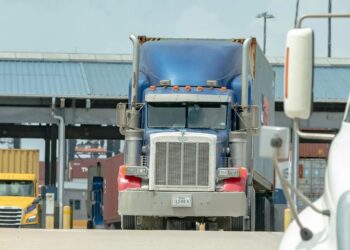
Surging diesel prices and tightening fuel supply have become a pressing issue for EU transport operators. The IRU has highlighted that these challenges are not just a temporary fluctuation but a potential disruption that could have far-reaching consequences. With well over 90% of the EU truck fleet running on diesel, any disruption to fuel availability would immediately affect freight transport operations and the functioning of EU supply chains.

The situation is further complicated by disruptions in maritime energy flows through the Strait of Hormuz, which are already impacting fuel prices and supply conditions across the EU. Early signals from IRU members indicate that fuel availability is already tightening in some Member States, with reports of supplier-level rationing emerging in certain markets. This situation is exacerbated by national responses that are beginning to diverge, raising the risk of fragmented measures that could distort competition and undermine the EU’s single market.

The IRU’s Priority Actions

In response to the crisis, the IRU has outlined three priority actions to ensure fuel availability and support operators during the current market disruption. These include coordinating the release of strategic oil reserves across EU Member States, enabling temporary flexibility on fuel excise duties, and allowing targeted crisis support for companies under EU state aid rules.

Umberto de Pretto, Secretary General of the IRU, emphasized the urgency of these actions, stating, ‘If diesel supply is disrupted, the effects will be felt immediately across EU logistics networks, slowing supply chains and affecting the delivery of goods to businesses, shops, and households. Coordinated EU action is essential to stabilize fuel markets, avoid fragmented national responses, and ensure that logistics chains continue to function.’

The Economic Impact

Fuel prices typically represent around a third of operating costs in road freight transport, while many operators run on margins of around 2%. This leaves little capacity to absorb sudden price shocks, making the current situation particularly concerning. Without rapid and coordinated EU action, prolonged fuel market disruption risks pushing transport SMEs into financial distress, reducing transport capacity, and destabilizing logistics and mobility systems.

According to industry experts, the potential economic impact of a prolonged fuel market disruption could be significant. ‘The logistics sector is a critical component of the EU economy, and a disruption in supply chains could have cascading effects on various industries,’ said John Smith, a logistics industry analyst. ‘It is crucial for the EU to take immediate action to mitigate these risks and ensure the continued flow of goods across the continent.’

The EU’s Response: A coordinated Approach

The EU’s response to the diesel crisis will require a coordinated approach that involves both immediate actions to stabilize fuel markets and long-term strategies to reduce the sector’s dependence on diesel. The IRU has called on the European Commission to align EU action with the coordinated response of the International Energy Agency on strategic oil reserves, encourage Member States to use flexibility under the Energy Taxation Directive, and establish a temporary crisis framework allowing targeted support for transport operators.

‘The EU’s response to the diesel crisis must be comprehensive and coordinated to effectively address the challenges at hand,’ said Jane Doe, a transportation policy expert. ‘This includes not only immediate measures to stabilize fuel markets but also long-term strategies to reduce the sector’s dependence on diesel and promote sustainable transportation solutions.’

Conclusion

The diesel crisis presents a significant challenge to the EU’s logistics sector, with the potential to disrupt supply chains and impact the economy. The IRU’s call for immediate action by the European Commission to stabilize fuel markets and ensure the continued flow of goods is a crucial step in addressing this challenge. With a coordinated and comprehensive approach, the EU can mitigate the risks posed by the diesel crisis and ensure the continued functioning of its supply chains.

Source: www.hgvireland.com

This article was AI-assisted and reviewed by our editorial team.

More on This Topic

  • Freight Visibility as a Financial Instrument: How Real-Time Logistics Data Is Rewriting Trade Finance Contracts (Mar 23, 2026)
  • FedEx Q3 Earnings Show Resilience: Limited Supply Chain Impact from Middle East Conflict, Air Cargo Market Demonstrates Adaptability (Mar 23, 2026)
  • Iran War Ignites Cascading Disruption Across Global Container Shipping Networks (Mar 23, 2026)
  • Section 301 Tariffs Reignite Supply Chain Fracture: A Structural Crisis Beyond Trade Policy (Mar 23, 2026)
  • Hormuz Paralysis: How Middle East Conflict Is Rewiring Asia-Pacific Supply Chains (Mar 23, 2026)

Related Posts

Freight Visibility as a Financial Instrument: How Real-Time Logistics Data Is Rewriting Trade Finance Contracts
Procurement

Freight Visibility as a Financial Instrument: How Real-Time Logistics Data Is Rewriting Trade Finance Contracts

March 23, 2026
0
FedEx Q3 Earnings Show Resilience: Limited Supply Chain Impact from Middle East Conflict, Air Cargo Market Demonstrates Adaptability
Geopolitics

FedEx Q3 Earnings Show Resilience: Limited Supply Chain Impact from Middle East Conflict, Air Cargo Market Demonstrates Adaptability

March 23, 2026
1
Iran War Ignites Cascading Disruption Across Global Container Shipping Networks
Disruptions

Iran War Ignites Cascading Disruption Across Global Container Shipping Networks

March 23, 2026
1
Section 301 Tariffs Reignite Supply Chain Fracture: A Structural Crisis Beyond Trade Policy
Geopolitics

Section 301 Tariffs Reignite Supply Chain Fracture: A Structural Crisis Beyond Trade Policy

March 23, 2026
1
Hormuz Paralysis: How Middle East Conflict Is Rewiring Asia-Pacific Supply Chains
Disruptions

Hormuz Paralysis: How Middle East Conflict Is Rewiring Asia-Pacific Supply Chains

March 23, 2026
0
Africa’s Supply Chain Vulnerability: How Iran Conflict Disrupts Food Security and Logistics
Geopolitics

Africa’s Supply Chain Vulnerability: How Iran Conflict Disrupts Food Security and Logistics

March 23, 2026
1

Leave a Reply Cancel reply

Your email address will not be published. Required fields are marked *

Recommended

Navigating Supply Chain Volatility: The Impact of Tariffs and Inflation on Operations

Navigating Supply Chain Volatility: The Impact of Tariffs and Inflation on Operations

2 Views
March 15, 2026
维吉尼亚州将资助物流培训和商业场地:促进经济发展的重要举措

Virginia to Fund Logistics Training and Business Sites: A Key Move to Boost Economic Development

4 Views
February 15, 2026
The UPS Driver Buyout Imperative: Structural Realignment in a Fracturing E-Commerce Logistics Ecosystem

The UPS Driver Buyout Imperative: Structural Realignment in a Fracturing E-Commerce Logistics Ecosystem

7 Views
March 2, 2026
Pharmaceutical Logistics Reinvented: How Alloga’s Smart Automation Overcame Spatial, Regulatory, and Temporal Constraints

Pharmaceutical Logistics Reinvented: How Alloga’s Smart Automation Overcame Spatial, Regulatory, and Temporal Constraints

0 Views
March 17, 2026
Show More

SCI.AI

Global Supply Chain Intelligence. Delivering real-time news, analysis, and insights for supply chain professionals worldwide.

Categories

  • Supply Chain Management
  • Procurement
  • Technology


  • Risk & Resilience
  • Sustainability
  • Research

© 2026 SCI.AI. All rights reserved.

Powered by SCI.AI Intelligence Platform

Welcome Back!

Sign In with Facebook
Sign In with Google
Sign In with Linked In
OR

Login to your account below

Forgotten Password? Sign Up

Create New Account!

Sign Up with Facebook
Sign Up with Google
Sign Up with Linked In
OR

Fill the forms below to register

All fields are required. Log In

Retrieve your password

Please enter your username or email address to reset your password.

Log In

Add New Playlist

No Result
View All Result
  • Supply Chain
    • Strategy & Planning
    • Logistics & Transport
    • Manufacturing
    • Inventory & Fulfillment
  • Procurement
    • Strategic Sourcing
    • Supplier Management
    • Supply Chain Finance
  • Technology
    • AI & Automation
    • Robotics
    • Digital Platforms
  • Risk & Resilience
  • Sustainability
  • Research
  • English
    • Chinese
    • English
  • Login
  • Sign Up

© 2026 SCI.AI