J&J Snack Foods completes plant consolidation, turns to distribution | Supply Chain Dive
Plant consolidation ‘materially complete’
J&J Snack Foods’ plant consolidation, which included closing three production facilities, is “materially complete,” CFO Shawn Munsell told investors in early May.
The plant consolidation is expected to contribute $15 million of the $20 million in annual savings tied to the Dippin’ Dots maker’s business transformation plan, labeled Project Apollo, Munsell said on a Q2 2026 earnings call. The food manufacturer had closed facilities in Atlanta, Holly Ridge, North Carolina; and Colton, California, by the end of Q1 2026.
Distribution efficiency drives next phase of savings
With the plant closures largely complete, the company is now focused on administrative and distribution cost reductions, which are expected to deliver the remaining $5 million of Apollo savings. About $3 million of that will stem from distribution efficiency in Q3 and Q4, according to Munsell.
Distribution costs in Q2 accounted for 12.1% of sales, up from 11.7% a year earlier. The increase reflected higher fuel costs, weather‑related dry-ice costs, and a shift of some expenses from cost of sales to distribution, Munsell said. Distribution costs included about a $400,000 headwind from higher diesel fuel prices in March.
Regional distribution center model deployed
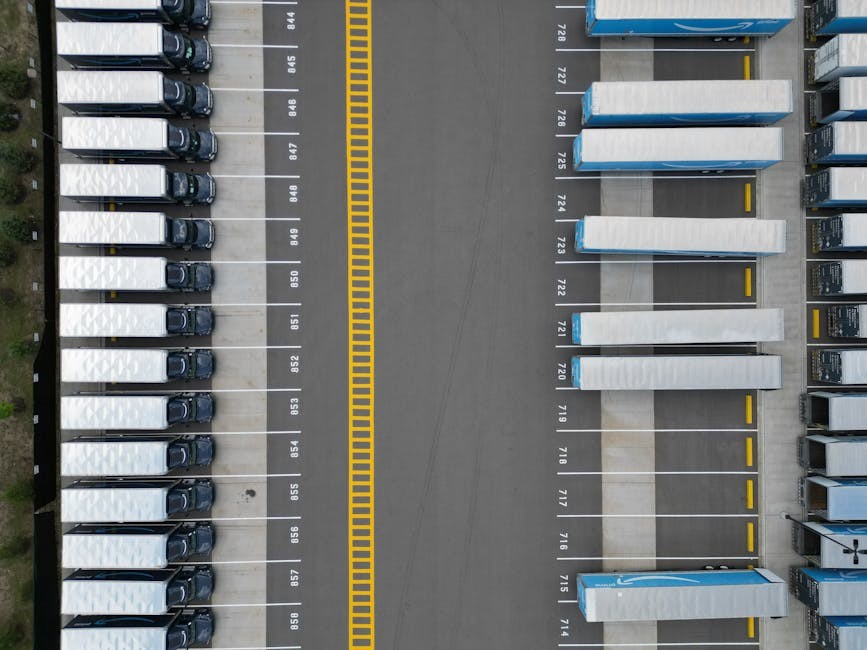
Over the last two years, J&J Snack Foods has adopted a regional distribution center model to simplify its warehouse network and improve its supply chain. The model places the centers in geographic locations closer to customers.
Industry-wide operational revamps
Other food manufacturers, including Hormel Foods and PepsiCo, have also modified their manufacturing footprints or distribution networks as part of operational revamps.
Source: Supply Chain Dive
Compiled from international media by the SCI.AI editorial team.