Port-Proximate Market Attraction Declines: Strategic Shift Under Cost Pressure
Historically, the allure of port-proximate markets for warehouse leasers was undeniable. However, a significant shift is now underway, driven by a confluence of factors including rising costs and evolving supply chain strategies. A report by Cushman & Wakefield reveals that in 2025, “port-proximate” industrial markets captured only 19% of total U.S. industrial net absorption, the lowest share recorded in the past 15 years. This decline indicates a strategic shift as companies prioritize cost savings over proximity to ports.
One of the primary reasons for this shift is the skyrocketing costs in coastal logistics markets. Industrial rents in port markets have surged by 65% between 2019 and 2023, remaining 33% higher than the national average. This has incentivized companies, especially those requiring large-scale facilities, to seek more affordable options inland. Additionally, the rise in tariffs and the trend towards nearshoring are further compelling companies to reevaluate their logistics strategies.
This strategic shift is also a response to evolving supply chain dynamics. Companies are increasingly focusing on the redesign of logistics networks that prioritize cost, resilience, and flexibility. While port proximity remains important for speed-to-market and cross-dock functions, the growing emphasis on large-scale distribution activities shifting inland underscores a broader reconfiguration of supply chain networks.
Inland Logistics Hubs Rise: Cost Advantages and Modern Facilities
Inland logistics hubs are emerging as the new hotspots for warehouse leasers, offering a compelling alternative to port-proximate markets. These hubs provide cost advantages, abundant land availability, and access to modern facilities, making them an attractive option for companies looking to optimize their supply chain operations.
With industrial rents in port markets significantly higher, companies are turning to inland locations to reduce their operational costs. The availability of large tracts of land in inland areas allows for the construction of expansive warehouses that can cater to the growing demand for large-scale distribution centers. Moreover, the presence of modern infrastructure, including efficient transportation networks and advanced technology, further enhances the appeal of these inland logistics hubs.
The rise of inland logistics hubs is not just a trend but a strategic imperative. As companies strive to create more resilient and flexible supply chains, these hubs offer the necessary flexibility to adapt to changing market conditions. The ability to access lower costs and more land, coupled with modern facilities, is reshaping the landscape of warehouse leasing, favoring inland locations over coastal ports.
Supply Chain Network Reconfiguration: Balancing Speed with Cost and Resilience
The reconfiguration of supply chain networks is a critical aspect of the evolving logistics landscape. Companies are now balancing the need for speed-to-market with cost considerations and resilience, leading to a strategic shift towards more efficient and cost-effective supply chain designs.
While port proximity remains crucial for certain logistics functions, such as cross-docking and just-in-time inventory management, the emphasis on cost and resilience is driving companies to reevaluate their supply chain strategies. Inland logistics hubs offer a compelling solution by providing the necessary infrastructure and cost advantages to support large-scale distribution activities.
This reconfiguration is not without its challenges. Companies must carefully manage the trade-offs between speed, cost, and resilience to ensure that their supply chain networks remain efficient and adaptable. The ability to quickly respond to market changes while maintaining cost-effectiveness and resilience is a key objective for companies as they restructure their supply chain networks.
Surge in Large Warehouse Demand: Driven by Automation and Modern Facilities
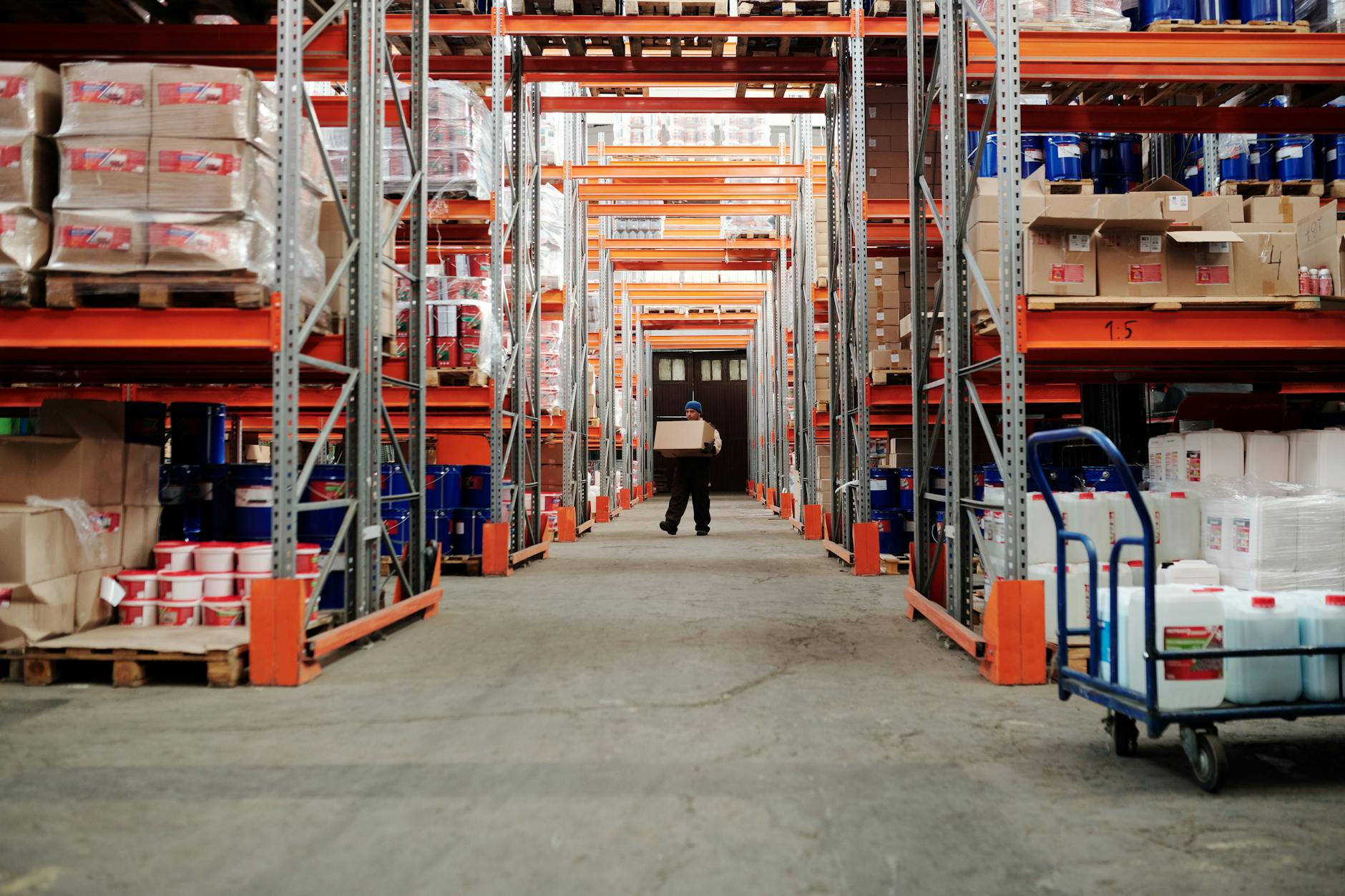
The demand for large warehouses is on the rise, driven by factors such as automation and the need for modern facilities. This surge in demand is reshaping the warehouse leasing landscape, favoring inland logistics hubs over port-proximate markets.
Automation is a key driver of the increased demand for large warehouses. As companies seek to optimize their operations and reduce labor costs, they are investing in automation technologies that require substantial space. Modern facilities equipped with advanced technology and efficient infrastructure are becoming a necessity for companies looking to enhance their supply chain efficiency.
This trend is further compounded by the need for resilience and flexibility in the face of supply chain disruptions. Large warehouses in inland logistics hubs offer the necessary space and infrastructure to support complex logistics operations, including warehousing, distribution, and fulfillment. The ability to scale operations up or down based on market demand is a critical advantage of these facilities.
Industry Outlook: Selective Investment and Strategic Positioning
The logistics and warehousing industry is undergoing a period of selective investment and strategic positioning. As companies reevaluate their logistics strategies, they are becoming more selective in their investment decisions, focusing on locations and facilities that offer the best combination of cost, speed, and resilience.
This selective investment approach is evident in the growing preference for inland logistics hubs over port-proximate markets. Companies are increasingly recognizing the long-term benefits of investing in these locations, which offer cost advantages, access to modern facilities, and resilience against supply chain disruptions.
Strategic positioning is also a key aspect of the evolving logistics landscape. Companies are actively seeking to optimize their supply chain networks by strategically locating their warehouses and distribution centers. This involves a careful consideration of various factors, including market demand, transportation networks, and the availability of skilled labor.
Implications for Chinese Supply Chain Enterprises
The shift in warehouse leasing trends towards cheaper properties away from ports has significant implications for Chinese supply chain enterprises. As these companies evaluate their logistics strategies, they must consider the following implications:
1. Cost Optimization: Chinese companies must explore opportunities to reduce costs by locating warehouses in more affordable inland markets, potentially reshaping their supply chain networks.
2. Resilience and Flexibility: The emphasis on resilience and flexibility in supply chain design requires Chinese companies to invest in modern facilities and technologies that can adapt to changing market conditions.
3. Strategic Positioning: Companies must strategically position their warehouses and distribution centers to optimize their supply chain operations, considering factors such as transportation networks and market demand.
This shift presents both challenges and opportunities for Chinese supply chain enterprises. By embracing the evolving logistics landscape and strategically aligning their operations with the new trends, these companies can gain a competitive edge in the global market.
This article is AI-assisted and has been reviewed and verified by the SCI.AI editorial team before publication.
Source: DC Velocity
This article was AI-assisted and reviewed by our editorial team.