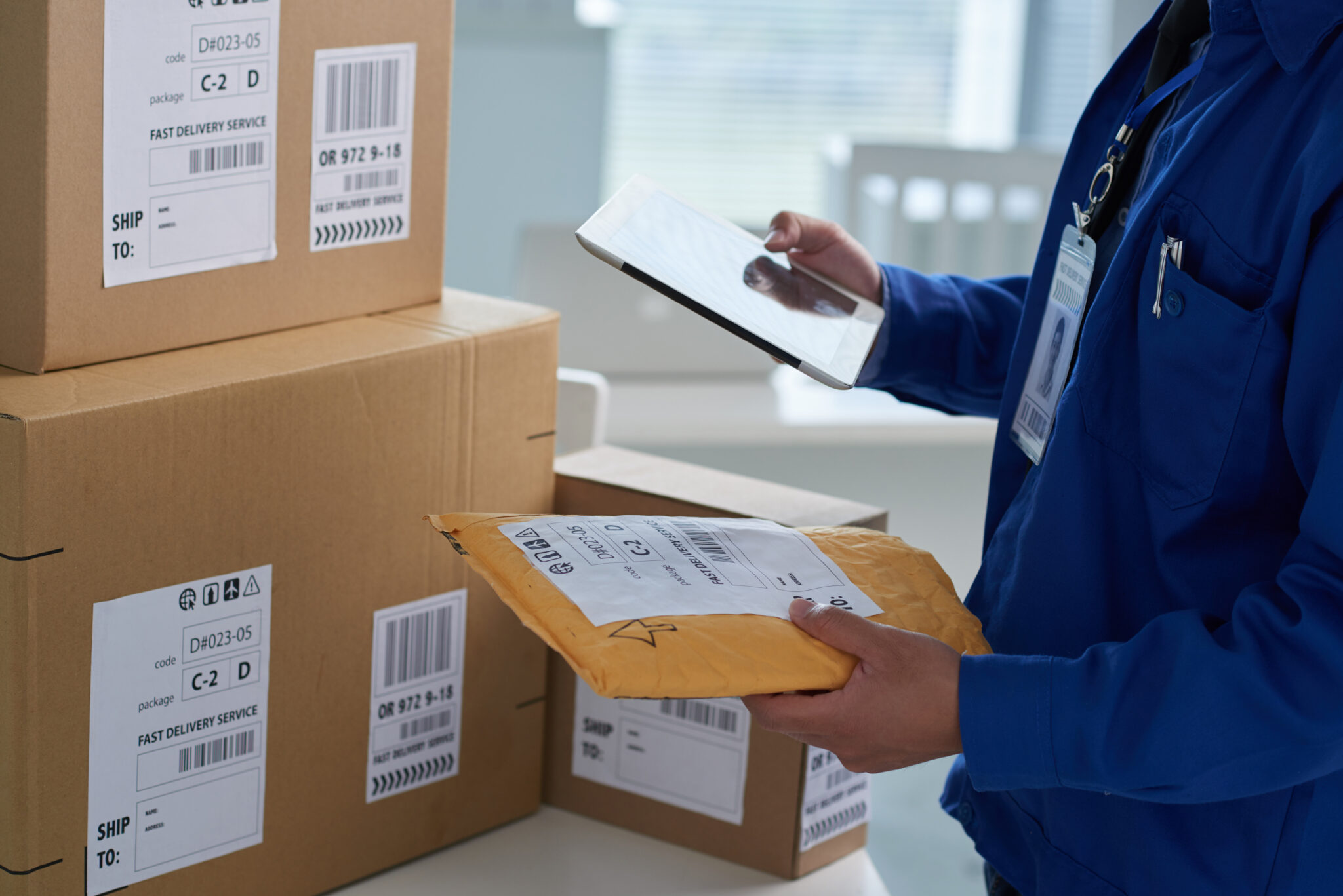
The dynamic pricing for this Black Friday could undermine the profits of thousands of warehousing and logistics companies in the UK. New data shows that last November, compared to the previous month, nearly a third (32%) of companies in the supply chain sector experienced an increase in carrier costs.
In the latest report from order fulfillment software provider **Mintsoft**, one-quarter of respondents indicated that these costs rose by almost 25% during the Black Friday period, increasing from an average of £3.50 per item to £4.37. To cope with high demand for Black Friday, Christmas, and January sales, carriers typically charge peak surcharges between mid-November and early January. However, due to many consumers expecting free or low-cost shipping at the point of purchase, retailers and fulfillment companies need to minimize these costs; otherwise, they will have to absorb the price increases, bearing the brunt of profit losses.
Beth Chapman, General Manager of cross-border delivery services company Starlinks Global, elaborated:
“During peak season, some carriers’ profiteering is frustrating. Retailers face pricing pressures and we should work together to increase volumes sustainably rather than start hiking prices from October 1st.”
Ruhksar Ahmed, Director of third-party logistics firm Green Fulfilment, echoed similar sentiments: “Retailers should be able to rely on their fulfillment partners and carriers to ensure they don’t encounter significant price hikes during peak season. To handle increased customer order volumes, we negotiate with our carrier partners to minimize price increases and maintain service levels during the busiest e-commerce period.”
According to research, higher shipping costs are not the only pressure facing supply chain companies.
Over 90% of firms hire temporary staff to help them cope with seasonal demand, but nearly one-fifth (18%) report difficulty filling these positions.
Mintsoft’s data shows that companies using their software processed 1.2 million orders during last year’s Black Friday, seeing a surge in order volume by 35%.
Experts now predict this year’s order volumes could increase by 14%—following the 17% growth in 2023—and companies may also see an uptick in order processing. The ability to process orders quickly and accurately is a major challenge for operators.
Last year, about one-third of companies experienced **inventory management** issues, with 58% experiencing stockouts. Despite this, around 17% of companies only began preparing less than three months before Black Friday.
Claire Carter, ERP General Manager at Mintsoft under The Access Group, stated:
“While peak surcharges are not new, they undoubtedly exacerbate the cost pressures already affecting small and medium-sized enterprises. We advise businesses to review their contracts with all carriers and strengthen partnerships to ensure they get the best deals while meeting consumer expectations for timely collection and delivery.”
She added: “As our retailers and fulfillment partners know, the more technology they have at their disposal and the greater the benefits of automation, the better they can bridge labor gaps, ensuring a combination of speed and accuracy while offsetting higher costs including transportation. Without the right software and data intelligence mix, identifying peak efficiency opportunities can be challenging—preparing your tech stack for busy periods is never too early.”
Dave Pickburn, CEO of logistics software provider Stream, added: “Increased order volumes are always welcome, but surges like those during peak season pose significant challenges to retailers and third-party logistics providers, especially when orders may increase by 35% during the peak period. Having the right software to automate as many functions as possible means businesses can handle these surges without impacting operations. Letting software manage as much of the repetitive, mundane tasks such as order processing, inventory management, invoicing, and shipping allows retailers and third-party logistics providers to focus on exceptions and outliers for a seamless customer experience.”
—
Source website: Logistics Business