According to berempat.com, Indonesia and India are advancing bilateral cooperation in semiconductor manufacturing and related high-value industries to strengthen regional supply chains across the Indo-Pacific.
Strategic Bilateral Engagement
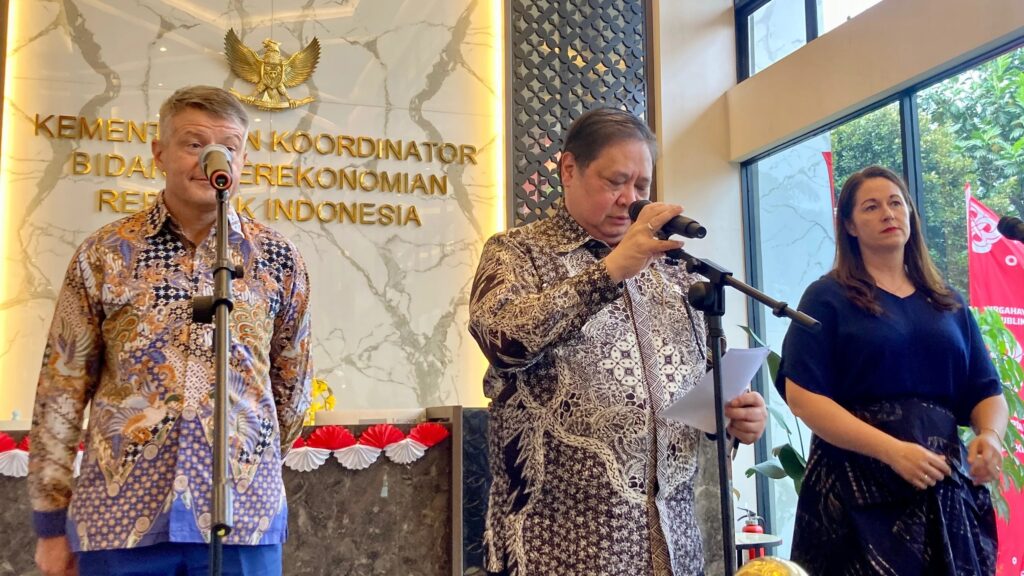
The initiative emerged from a bilateral meeting between Faisol Riza, Deputy Minister of Industry of the Republic of Indonesia, and Jitin Prasada, India’s Minister of State for Industry and Commerce. The discussion took place on the sidelines of the 10th BRICS Industry Ministers’ Meeting in Jaipur, India. Faisol emphasized that industrial ties between the two nations hold significant untapped potential for concrete, implementable collaboration. “We hope this meeting further strengthens bilateral relations while opening up more concrete, actionable, and mutually beneficial industrial cooperation,” said Faisol.
Both countries aim to leverage complementary domestic markets and manufacturing foundations to boost investment, downstream processing, and technology development. This effort aligns with broader diplomatic momentum, including President Prabowo Subianto’s visit to India for Republic Day 2025 and Prime Minister Narendra Modi’s state visit to Indonesia scheduled for July 2026.
Trade Data and Market Access Priorities
Bilateral trade reached USD23.16 billion in 2025, according to the source. Indonesia recorded exports worth USD18.32 billion to India, while imports from India totaled USD4.84 billion. Despite overall growth, Indonesian non-oil-and-gas processed industrial exports to India have declined over recent years — prompting joint focus on expanding market access for Indonesian manufactured goods.
India welcomed Indonesia’s proposal for collaboration in strategic sectors including green industry, semiconductors, and agro-industry. Indian officials also raised concerns regarding Indonesia’s import quota restrictions on certain Indian products.
Semiconductor Cooperation as Growth Catalyst
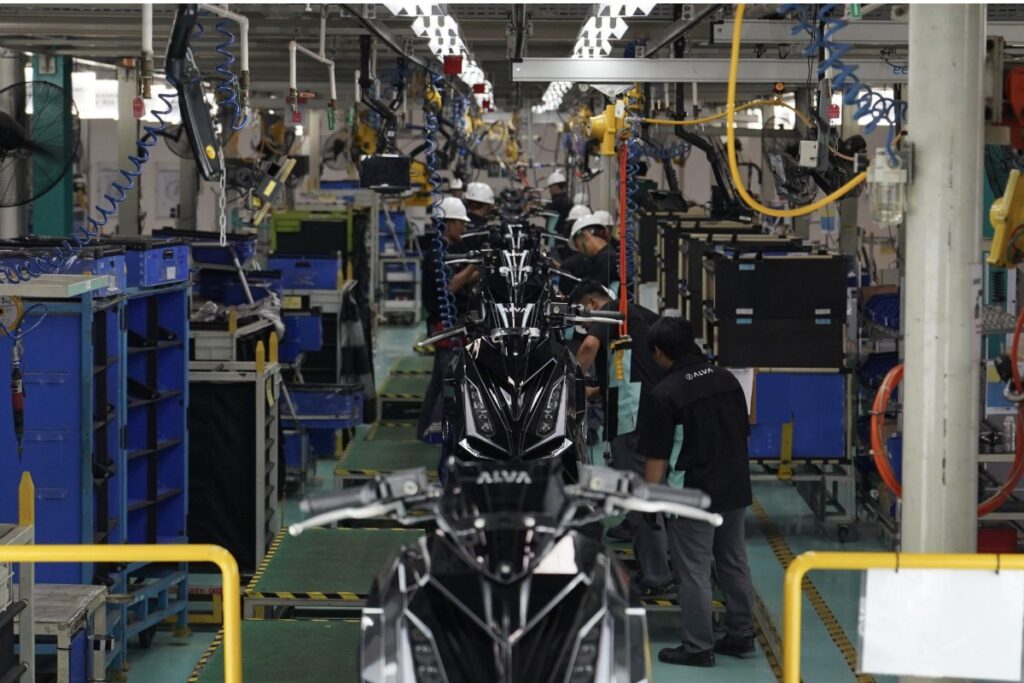
Semiconductors are positioned as a central pillar of industrial partnership due to their critical role across electronics, automotive, telecommunications, energy, and digital technology systems. Both nations see opportunities in co-developing modern manufacturing technologies — including automation, artificial intelligence (AI), and smart manufacturing — to improve industrial efficiency and productivity.
Data center infrastructure development is also highlighted as essential to support data-driven technologies and enhance industrial competitiveness. With Indonesia’s full membership in BRICS, the framework for deeper technological and investment cooperation — especially in semiconductors and adjacent digital infrastructure — is now formally expanded.
Source: berempat.com
Compiled from international media by the SCI.AI editorial team.